
Planting
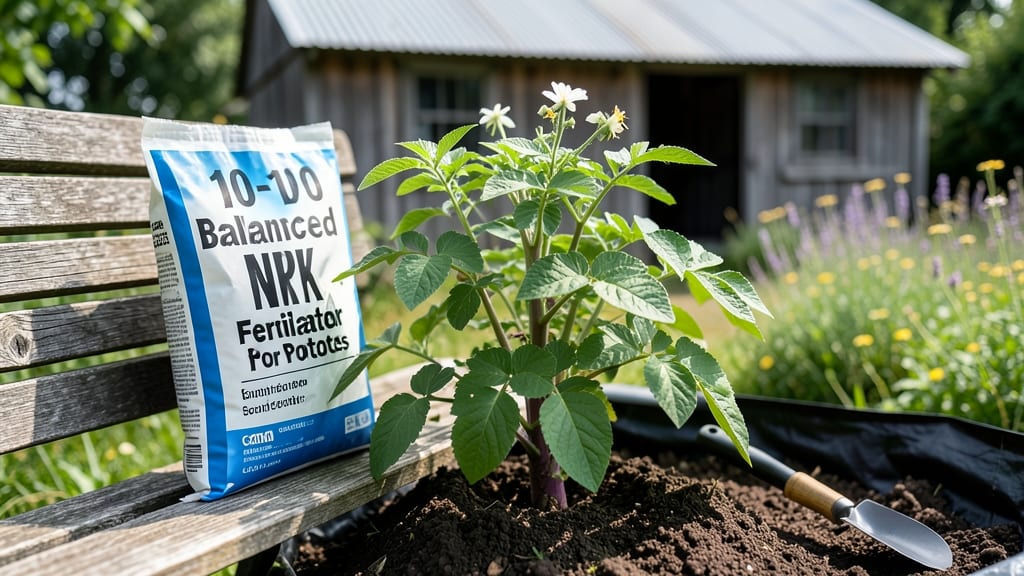
Growing nutrients for potatoes means more than just tossing fertilizer on the soil—it’s about feeding the right balance of macronutrients, micronutrients, and maintaining the perfect pH for those 🥔 to swell into harvest-worthy treasures.
Picture this: you’ve planted your seed potatoes in rich, loamy soil, but by midsummer, the foliage turns yellow, the tubers stay small, or worse—your harvest is full of scabby, misshapen potatoes.
These are classic signs your soil is missing the key nutrients potatoes crave, and fixing it early could mean the difference between a bountiful harvest and a disappointing one.
Potatoes are heavy feeders, but they’re picky about what they eat. Too much nitrogen? You’ll get lush leaves but tiny tubers. Too little phosphorus? Your plants might struggle to develop strong roots.
And let’s not forget the micronutrients—like boron and zinc—that keep diseases at bay and starch levels high. Without the right mix, even the best-growing conditions can fall flat.
In this guide, I’ll break down the exact soil pH, macronutrients, and micronutrients your potatoes need at every growth stage, plus how to test your soil, troubleshoot deficiencies, and choose between organic and synthetic fertilizers for the best results. Let’s get those spuds growing like never before!
Optimal soil pH and macronutrients for potato growth
Potatoes thrive when your soil has the perfect balance of acidity and essential nutrients. The ideal soil pH for potatoes ranges between 5.0 and 6.5, creating an environment where roots can absorb nutrients efficiently.
Too acidic (below 5.0) or alkaline (above 7.0) soil locks out critical nutrients, leading to stunted growth or poor tuber development. I’ve seen firsthand how adjusting pH can transform a struggling potato patch into a high-yielding harvest.
Beyond pH, potatoes rely heavily on three primary macronutrients: nitrogen (N), phosphorus (P), and potassium (K). These aren’t just random numbers on fertilizer bags—they directly impact your potato’s foliage growth, root development, and tuber quality.
For example, too much nitrogen without enough phosphorus can result in lush green leaves but small, underdeveloped potatoes. Let’s break down what your soil really needs to maximize your harvest.
| Nutrient | Role in Potato Growth | Ideal Ratio (NPK) | Signs of Deficiency |
|---|---|---|---|
| Nitrogen (N) | Promotes leafy growth and chlorophyll production | High early, then balanced (e.g., 10-10-10) | Yellowing leaves (chlorosis), stunted growth |
| Phosphorus (P) | Encourages root development and tuber formation | Moderate (e.g., 5-10-10) | Purple stems/leaves, delayed maturity |
| Potassium (K) | Boosts disease resistance and starch content | Balanced (e.g., 10-5-10) | Weak stems, brown leaf edges, poor yield |
| Soil pH | Determines nutrient availability (5.0–6.5 ideal) | Test with pH meter/kit; amend with lime (raise) or sulfur (lower) | Yellowing leaves (high pH), slow growth (low pH) |
Let’s start with nitrogen, the nutrient responsible for your potato’s lush green foliage. During the early growth stages (first 4–6 weeks), potatoes need a higher nitrogen ratio (e.g., 10-10-10 or 12-12-12) to build strong stems and leaves.
However, if you overdo it later in the season, you’ll end up with fewer but larger tubers that are prone to diseases like blight. I recommend splitting nitrogen applications: half at planting and the rest when plants reach 6 inches tall.
Next, phosphorus is crucial for root and tuber development. Unlike nitrogen, phosphorus shouldn’t be over-applied—it’s better to use a moderate ratio (e.g., 5-10-10) at planting. Phosphorus helps potatoes establish a strong root system early, which directly translates to more and larger tubers.
A quick way to check for deficiency is to look for dark purple or red hues on the undersides of leaves. If you spot this, your soil might be phosphorus-deficient, and a side dressing of bone meal can help.
Don’t overlook potassium, the nutrient that keeps your potatoes healthy and disease-resistant. Potassium strengthens cell walls, helping tubers resist rot and scab. Aim for a balanced ratio (e.g., 10-5-10) during the flowering stage to encourage tuber bulking.
Signs of potassium deficiency include brown or yellow leaf edges and weak stems that flop over easily. If you notice this, a foliar spray with potassium sulfate can provide a quick fix.
Testing your soil’s pH and nutrient levels is the first step to a successful potato harvest. You can use a home soil test kit (around $10) or send a sample to a local extension office for a detailed analysis.
For most gardeners, the ideal pH range for potatoes is 5.0–6.5. If your soil is too acidic (below 5.0), add pelletized lime to raise the pH. If it’s too alkaline (above 7.0), work in elemental sulfur to lower it.
I’ve found that amending soil a few weeks before planting gives nutrients time to integrate naturally.
Over-fertilizing is a common mistake that can backfire. Too much nitrogen late in the season leads to excessive foliage at the expense of tuber development, while too much phosphorus or potassium can cause nutrient burn, turning leaf edges crispy and brown.
Always follow the recommended application rates on fertilizer packages and water thoroughly after applying to prevent burn. If you’re unsure, start with half the recommended dose and monitor your plants’ response.
Organic options like composted manure, fish emulsion, or worm castings provide a slow-release nutrient boost without the risk of over-fertilization. These also improve soil structure, which is critical for potatoes since they need loose, well-draining soil to form large tubers.
For example, I mix 2–3 inches of compost into the soil at planting and top-dress with a light layer of worm castings every 4–6 weeks during the growing season.
Keep an eye out for visual signs of nutrient imbalances. Yellowing leaves between veins usually indicate a nitrogen
Essential micronutrients for potatoes: what you’re probably missing
While nitrogen, phosphorus, and potassium get all the attention, micronutrients like boron, magnesium, and zinc are the real unsung heroes of potato growth. These trace elements prevent diseases like scab and hollow heart, while also boosting starch content—critical for that perfect baking potato texture.
Without them, your harvest could be smaller, misshapen, or even inedible.
Potatoes need 14 essential nutrients to thrive, but most gardeners overlook the micronutrients that make the difference between a mediocre and a stellar crop. For example, a deficiency in boron can cause cracked tubers, while too little magnesium leads to yellowing leaves.
Let’s break down what you’re likely missing and how to fix it.
Micronutrients for Potatoes: Pros & Cons
| Nutrient | Pros | Cons |
|---|---|---|
| Boron | Prevents scab and hollow heart | Excess causes toxic buildup in soil |
| Magnesium | Boosts chlorophyll for greener foliage | Deficiency causes yellowing between leaves |
| Zinc | Enhances root development and tuber size | Overuse leads to leaf curling |
| Copper | Fights fungal diseases like blight | Toxic in high doses to plants |
💡 Tip: Test soil before applying micronutrients—most garden soils already contain enough, but sandy or acidic soils often lack them.
Let’s start with boron, a micronutrient that’s often overlooked but critical for preventing potato scab, a common fungal disease. Symptoms include rough, scaly skin on tubers, making them unmarketable. Organic sources like borax or wood ash work well, but apply them sparingly—too much boron can stunt growth.
For synthetic options, use a boron supplement at planting and again when flowers appear.
Next, magnesium plays a key role in photosynthesis and starch production. A deficiency shows up as interveinal chlorosis (yellowing between leaf veins), which weakens the plant. To fix it, add Epsom salt (magnesium sulfate) to your soil or use a foliar spray during the growing season.
Just 1 tablespoon per gallon of water, applied every 2 weeks, can make a noticeable difference.
Don’t overlook zinc, either. This micronutrient supports enzyme activity and helps potatoes develop strong roots and larger tubers. Signs of deficiency include stunted growth and small, distorted leaves. For a quick fix, sprinkle zinc sulfate around the base of plants or use a chelated zinc fertilizer.
Organic gardeners can also use composted manure or kelp meal for a slower-release option.
Finally, copper and manganese act as natural disease fighters, protecting potatoes from blight and other fungal infections. Copper sulfate is a popular choice, but use it carefully—it can be toxic to plants and soil organisms if overapplied.
For manganese, manganese sulfate or organic compost works well. Apply these micronutrients early in the season to build resistance before pests strike.
To ensure your potatoes get the micronutrients they need, test your soil before planting. Many garden centers offer affordable kits, or send a sample to a lab for a detailed analysis. Once you know what’s missing, adjust with targeted amendments.
Remember, balance is key—too much of any micronutrient can be just as harmful as too little. With the right approach, you’ll harvest bigger, healthier potatoes with fewer diseases and better flavor. 🥔