
Planting
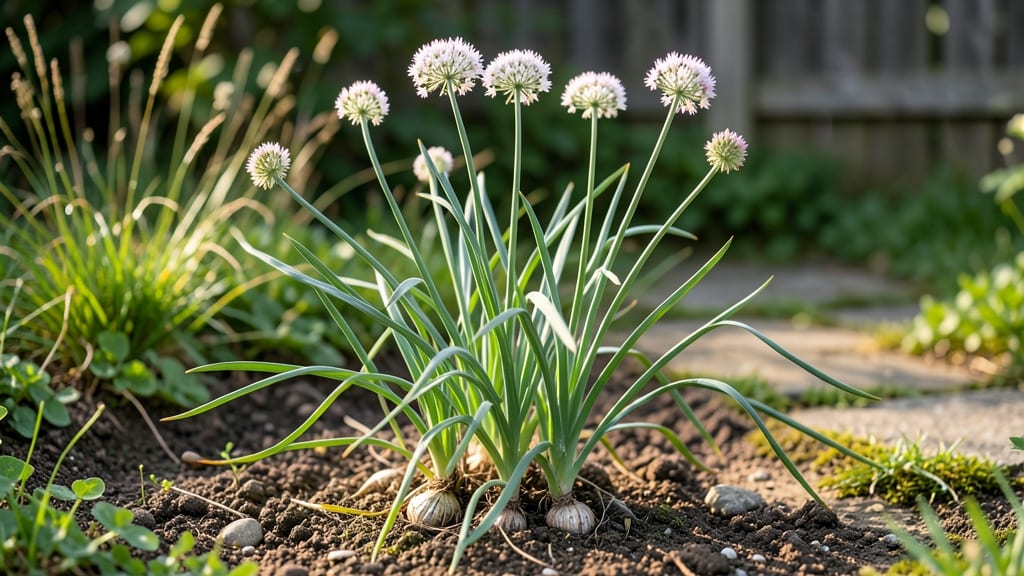
That "onion looking weed" stealing your garden’s spotlight isn’t just a nuisance—it’s likely wild onion or garlic mustard, both aggressive invaders that smother your real crops. 🌱 I’ve yanked enough of these sneaky plants to know the telltale signs: flat, grass-like leaves with a hollow stem (like chives) or a strong onion scent when crushed.
The worst part? They multiply underground via bulbs or seeds, making them harder to eradicate than your average dandelion.
The key to kicking them out is acting fast—before they go to seed or spread via those hidden bulbs. Pull them when the soil’s damp (they come up easier), but never compost them (that’s how they spread). Instead, bag them or smother them with cardboard and mulch.
For stubborn patches, a vinegar spray (1 gallon vinegar + 1 tablespoon dish soap) works, but test a small area first—some plants might be your actual onions in disguise.
Once you’ve cleared them, focus on prevention: cover bare soil with mulch to block light (weeds hate that), and plant densely to leave no room for invaders.
If you’re unsure whether a plant is a weed or your prized onion set, do the squeeze test—real onions have a papery skin and a clean break; weeds often smell pungent or feel slimy when pulled. A little vigilance now saves hours of weeding later.
This isn’t just about looks—wild onions can cross-pollinate with your garden varieties, turning your sweet onions bitter. But with the right approach, you’ll reclaim your space without chemicals and keep those unwanted volunteers from staging a comeback. Let’s get those weeds out for good.
Root Causes Of Bulbous Growth
When your garden or lawn starts sprouting plants that resemble onion-looking weeds—thick, layered, and bulb-like—it’s usually a sign of specific environmental or biological triggers. These growths aren’t just random; they’re the plant’s survival response to stress, competition, or ideal conditions for proliferation.
Let’s break down the key reasons why these bulbous weeds take over and how they form.
Plants, including weeds, grow bulbs or layered stems when they’re competing for nutrients in a confined space. Here’s why:
- Nutrient depletion: When soil lacks nitrogen, phosphorus, or potassium, weeds develop bulbous structures to store reserves. This is especially common in over-planted areas where roots tangle and compete.
- Root competition: Dense grass or thick mulch layers force weeds to grow upward and outward, forming bulb-like bases to anchor themselves.
- Waterlogging: Excess moisture in compacted soil can suffocate roots, prompting weeds to thicken their bases for oxygen storage (a survival tactic).
Actionable fix: Aerate soil annually to improve drainage and reduce root competition. Add compost to replenish nutrients and discourage bulb formation.
Some weeds thrive in full sun and develop bulbous growths as a way to store water and energy for dry periods. Here’s the science:
- Photosynthesis overload: Excess sunlight can cause weeds like wild garlic or crow garlic to produce more carbohydrates than their roots can handle, leading to bulb expansion.
- Heat-induced dormancy: During extreme heat, weeds may enter a semi-dormant state, thickening their bases to conserve moisture until cooler conditions return.
- Shallow root systems: Weeds in sunny, dry areas often have shallow roots, forcing them to grow thicker stems for stability.
Actionable fix: Mulch heavily in sunny areas to retain moisture and reduce heat stress. Consider partial shade for high-competition zones.
Watering habits—whether too much or too little—directly influence bulbous weed growth. Here’s how:
- Excessive watering: Overwatered soil creates anaerobic (oxygen-poor) conditions, prompting weeds to develop bulbous, spongy bases to store air and prevent root rot.
- Drought cycles: Weeds like onion grass thicken their bulbs during dry spells to survive until rain returns. This adaptation makes them resilient to erratic watering.
- Poor drainage: Clay-heavy or compacted soil traps water, forcing weeds to grow upward with bulbous, layered stems to escape saturation.
Actionable fix:
- Water deeply but infrequently (1–2 inches per week) to encourage deep root growth.
- Test soil drainage—amend with sand or perlite if water pools after rain.
Some weeds intentionally grow bulb-like structures to spread and survive. Here’s the reproductive strategy:
- Bulb division: Weeds like crow garlic or wild onions produce bulbils (small bulb-like offspring) on their stems. These detach and root, creating new plants.
- Seed dormancy: Bulbous weeds often store nutrients in their bases to fuel rapid growth when conditions improve, ensuring they outcompete slower-growing plants.
- Underground runners: Some species (e.g., nutgrass) send out rhizomes or stolons that thicken into bulbous nodes, making them nearly impossible to eradicate without manual removal.
Actionable fix:
- Remove entire bulb clusters before they flower to prevent seed spread.
- Solarize soil in late summer (cover with clear plastic for 4–6 weeks) to kill dormant bulbs.
Understanding these triggers helps you prevent bulbous weeds before they take over. The key is addressing one root cause at a time—whether it’s soil health, water management, or sunlight exposure.
Quick Fixes for Unwanted Onion-Like Growth
Dealing with an onion-looking weed (or Allium sprout) in your garden or lawn? Don’t panic—these plants are tough but manageable. Below are practical, step-by-step solutions tailored to the most common causes, from overgrowth to accidental planting. We’ll also share prevention tips to keep your yard weed-free for good.
Cause: Wind-blown seeds or natural spread from nearby onion/garlic plants. Fix:
- 🔥 Pull It Early
- Grab the weed at the base (where the roots meet the soil) and twist gently to avoid breaking the root. If the root snaps, it may regrow.
- Pro Tip: Do this after rain when soil is soft—pulling is easier! 🌧️
- 🍳 Smother or Suffocate
- Cover the area with cardboard or mulch (wood chips, straw) to block sunlight. Weeds need light to grow—deprive them, and they’ll die in 2–4 weeks.
- Bonus: This also suppresses future weeds!
- 👨🍳 Vinegar Spray (For Stubborn Stubs)
- Mix 1 gallon of white vinegar + 1 cup salt + 1 tbsp dish soap. Spray directly on the foliage (avoid desirable plants—vinegar burns everything!).
- Reapply every 3–4 days until the weed turns brown and dies.
Cause: Your onion or garlic plants are bolting (sending up seed stalks) or have escaped containment. Fix:
- ⏰ Harvest Before Bolting
- If your onions/garlic are sprouting flower stalks, pull them immediately. These plants won’t store well, but removing them stops seed spread.
- Prevention Tip: Plant short-day onion varieties (like ‘1015Y’ or ‘Red Creole’) in your climate—they bolt less aggressively. 🌡️
- 🔪 Cut Seed Heads
- If you want to save seeds (for next year’s crop), snip off flower stalks before they brown. But if you’re tired of weeds, remove the entire plant at the base.
- 🏡 Contain Future Plants
- Use landscape fabric under mulch in garden beds to block weed seeds from sprouting.
- For lawns, mow high (3–4 inches)—taller grass shades out weed seeds. ✂️
Cause: Onion weeds thrive in well-drained, sunny spots and can form dense clumps. Fix:
- 🌡️ Solarize the Soil (Summer Method)
- Water the area thoroughly, then cover with clear plastic sheeting (secured with rocks). Leave for 4–6 weeks in 90°F+ weather—the heat will kill roots and seeds.
- Best for: Large patches or bare soil areas.
- 💡 Pre-Emergent Herbicide (Chemical Option)
- Apply a pre-emergent herbicide (like corn gluten meal) before planting season to prevent seeds from germinating.
- Organic Alternative: Salt-based weed killers (like EcoGuard) work but may harm nearby plants—use carefully.
- 🥗 Hand-Weeding + Soil Improvement
- Dig out the entire root system (they can regrow from fragments!).
- Amend the soil with compost to improve drainage—onion weeds hate dense, waterlogged soil.
- 🌱 Plant Competitive Ground Covers: Clover, creeping thyme, or dense grass outcompetes weeds for space.
- 🔥 Remove Flower Stalks: If growing onions/garlic, snip seed heads before they release pollen.
- 🌡️ Time Your Planting: Avoid planting onions in hot climates—they bolt faster and spread more.
- 🎯 Regular Scouting: Check your yard weekly in spring—early removal is easiest!
Final Note: Onion-looking weeds are annoying but not hopeless. A mix of manual removal, smothering, and smart gardening will keep them under control. Try one method at a time and adjust based on what works best for your space! 🚀
Frequently asked questions
How can I tell if my onion-looking weed is actually a wild onion or garlic?
Crush a leaf between your fingers—wild onions and garlic release a strong, pungent odor. Real onions often have a milder scent. Also check the base: wild onions form small bulbs while garlic has papery white layers. If it smells like onions but has no bulb, it’s likely garlic mustard.
Why do these weeds keep coming back after I pull them?
Many onion-looking weeds spread through underground bulbs or seeds. Pulling only the top leaves leaves roots intact. Always dig 2-3 inches deep to remove the entire bulb cluster. For persistent patches, try vinegar spray or smother with mulch to prevent regrowth.
Is it safe to compost onion-looking weeds?
Never compost weeds with bulbs or seeds—this spreads them! Instead, bag them for trash pickup or burn them (if local regulations allow). For small amounts, place weeds in a sealed container in the sun for 2 weeks to dry out completely before disposal.
Can onion-looking weeds cross-pollinate with my garden onions?
Yes, they absolutely can! Wild onions and garlic can cross with cultivated varieties, potentially creating bitter flavors or unwanted volunteer plants. To prevent this, keep weeds 100+ feet away from your onion beds and harvest seed heads before they release pollen.
What's the best time of year to tackle onion-looking weeds?
Spring and early summer are ideal—weeds are actively growing but haven't yet gone to seed. For stubborn patches, try late summer solarization (covering with clear plastic for 4-6 weeks) to kill roots before winter dormancy sets in.