
Planting
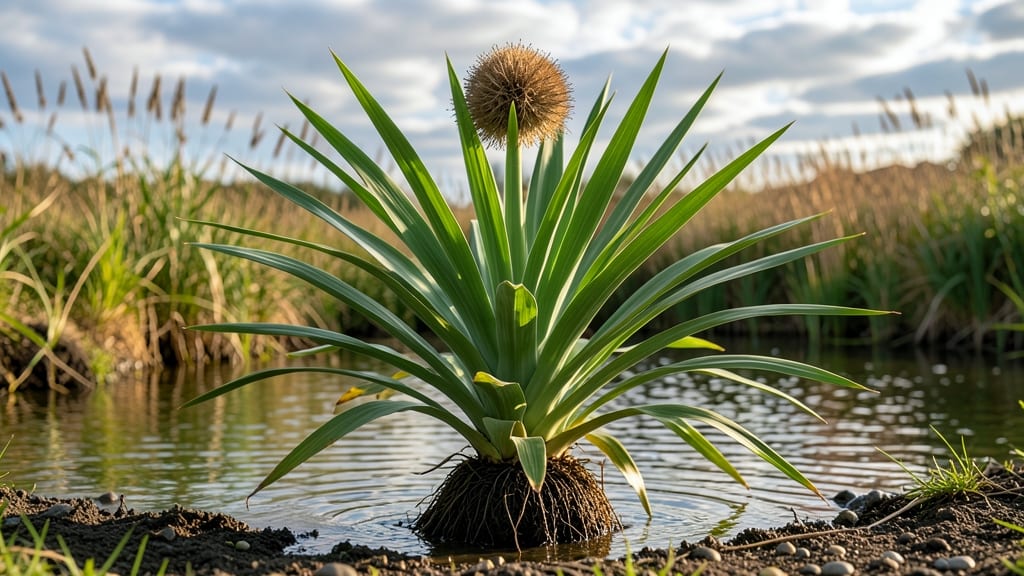
Transforming any water feature into a tropical oasis with year-round drama starts with the papyrus pond plant (Cyperus papyrus). 🌿 I fell for its towering, papery plumes after seeing one in a neighbor’s pond—now mine does the same, requiring almost no pruning once established.
The secret lies in mimicking its native swampy habitats, where it thrives in shallow water with full sun. You’ll need 18-24 inches of water depth (deeper for mature plants) and a container or pond with soft, nutrient-rich soil at the bottom.
Papyrus loves warmth but handles light frosts if the roots stay submerged—just avoid hard freezes. The first year focuses on root establishment; after that, it grows 3-6 feet tall with minimal fuss, providing year-round interest.
Expect lush, feathery plumes that sway in the breeze, attracting birds and adding movement to still water. Unlike fussy water lilies, papyrus tolerates occasional neglect—just watch for yellowing leaves, which signal too much sun or poor water quality.
A quick trim in late winter keeps it tidy without sacrificing its natural elegance. Perfect for ponds, bog gardens, or even large containers. Here’s how to set yours up for decades of low-maintenance beauty—no green thumb required!
📚 In This Guide
- What you need
- Instructions
- Tips and common mistakes
- Wrapping up and next steps
What you need
- ● Papyrus plants (Cyperus papyrus) – 3 to 5 mature clumps (12–18 inches tall) for a balanced look. Choose healthy plants with vibrant green foliage.
- ● Pond or container – A minimum of 12 inches deep and 2–3 feet wide (for 3–5 plants). Ensure it has a shallow edge (2–4 inches deep) for papyrus roots to anchor.
- ● Pond soil or aquatic substrate – 2–3 inches of gravel, sand, or clay (well-drained but moisture-retentive) to prevent root rot.
- ● Water source – A submersible pump (100–200 GPH) or natural water flow to keep water circulating.
- ○ Fertilizer (optional but recommended) – Slow-release aquatic plant tabs or liquid fertilizer (e.g., Fish Emissions or SeaChem Flourish) for nutrient-rich growth.
- ● Gloves – Waterproof gardening gloves to protect your hands.
- ● Trowel or pond planting tool – For gently placing plants in the substrate.
- ● Water testing kit – To check pH (6.5–7.5), ammonia, and hardness before planting.
- ○ Solar-powered pond heater (optional, for colder climates) – Helps maintain water temps above 50°F (10°C) in winter.
- ○ Pond net or barrier (optional) – To protect plants from curious wildlife (e.g., ducks or fish).
How to cultivate papyrus for stunning year-round pond beauty
This hardy aquatic plant thrives with minimal fuss once you nail the basics.
🪴 Step 1: Select the Perfect Pond Location and Depth
Papyrus (Cyperus papyrus) demands 18-36 inches of standing water to flourish—shallower spots stunt its growth, while deeper areas encourage robust, upright stems. Scout your pond for a sunlit area receiving at least 6 hours of direct sunlight daily, as partial shade yields thinner, less dramatic foliage. The ideal spot balances full sun exposure with 3 feet of water depth—this mimics its natural habitat along African waterways.
If your pond lacks natural depth variation, consider a pre-formed pond liner or waterproof container (like a large plastic tub) to create the necessary depth. I’ve seen papyrus planted in 12-inch-deep containers thrive when topped with 2 feet of water—just ensure the container has drainage holes covered with landscape fabric to prevent soil loss. Avoid windy spots; papyrus stems sway dramatically in breezes and can topple without support.
🌱 Step 2: Plant with Proper Spacing and Soil Preparation
Start with 3-4 inch diameter papyrus crowns (the thick, fibrous base) and space them 18-24 inches apart—this accounts for their eventual 4-6 foot diameter spread. Dig a hole twice as wide as the crown but only 2-3 inches deep, since papyrus roots prefer shallow, waterlogged conditions over deep soil. Amend the pond bottom with 2 inches of aquatic plant fertilizer (like a slow-release tab) to jumpstart growth—this plant is a heavy feeder and rewards nutrient-rich soil.
Gently tease the roots apart if they’re tightly bound, then position the crown just below the water’s surface—the top of the crown should remain 1-2 inches submerged at all times. Press the surrounding soil lightly to secure the plant, but avoid compacting it too firmly. Over time, papyrus will self-propagate via offsets (small shoots) that form around the base—let these grow naturally for denser foliage.
☀️ Step 3: Maintain Water Quality and Light Balance
Papyrus tolerates a wide range of water conditions but struggles in stagnant, low-oxygen environments. Add a small pond aerator or fountain nearby to keep water circulating—this prevents root rot and encourages lush growth. Test water pH weekly during the first month; ideal levels are 6.0-7.5. If your pond water runs alkaline (common in hard water areas), add sphagnum peat moss to the planting hole to acidify the rhizome zone slightly.
Watch for yellowing leaves—this usually signals nutrient deficiency or insufficient light. If leaves turn pale and stems grow leggy, move the plant to a sunnier spot or supplement with liquid aquatic fertilizer every 4-6 weeks during spring and summer. In winter, reduce fertilization entirely; papyrus enters dormancy in temperatures below 40°F, shedding older leaves but regrowing in spring.
✂️ Step 4: Prune Strategically for Year-Round Appeal
Unlike many pond plants, papyrus requires minimal pruning—just remove dead or brown stems in early spring to make room for new growth. Use clean, sharp pruners to cut stems 1-2 inches above the crown (the fibrous base). Avoid over-pruning; papyrus thrives on its natural, wild appearance, and aggressive trimming can stress the plant. If stems become too dense, thin them by one-third to improve airflow and reduce disease risk.
Here’s the thing—papyrus self-cleans to some degree. By late fall, older stems will turn brown and collapse on their own. Instead of cutting them all back, leave a few spent stems for winter interest—frozen papyrus creates textural contrast in icy ponds. In early spring, simply pull out the remaining debris and compost it; the plant will rebound quickly with new green shoots emerging within 2-3 weeks of warm weather.
⏰ Step 5: Overwinter for Reliable Regrowth
Papyrus is hardy to USDA Zone 9, but in colder climates, it requires winter protection. Before temperatures drop below 32°F, mulch the pond bottom with 2-3 inches of aquatic-safe mulch (like gravel or small pebbles) around the crown. This insulates roots and prevents freezing. In Zones 8 and below, dig up the crown in late fall, trim back half the stems, and store it in a cool, dark basement in a moist but not soggy mix of peat moss and perlite. Replant in early spring once soil temperatures reach 50°F.
If you’re in a mild climate (Zones 9-11), papyrus will overwinter in the pond with no intervention. Just reduce fertilization and avoid pruning until March, when new growth signals it’s time to remove dead stems. The key is patience—papyrus grows slowly in cool weather, but once established, it becomes a low-maintenance centerpiece that outshines most aquatic plants.
Tips & tricks for perfect papyrus pond plant cultivation
Here's what I've learned after helping papyrus thrive in ponds of all sizes—these details make all the difference.
Light and Depth Harmony: The 6 hours of daily sunlight requirement is non-negotiable, but here's the thing—morning sun is more valuable than afternoon. Position your papyrus to catch those first rays when the sun is lowest in the sky. In Step 1, if you're working with containers, place them where they'll receive direct light for at least 4 hours in the morning and 2 hours in the afternoon. I've seen papyrus in containers with only 4 feet of water depth struggle to maintain upright stems, so if your pond is on the shallower side, consider adding a small waterproof stand to elevate the crown to the ideal 18-36 inch depth.
Root Zone Insulation: When planting in Step 2, focus on creating that perfect shallow planting hole—2-3 inches deep is crucial. The key is to maintain this depth consistently around the crown. I've found that adding a 1-inch layer of coarse sand at the bottom of the hole helps maintain proper depth while preventing soil compaction. This also creates a natural barrier that keeps the crown from sinking deeper over time, which can happen as the surrounding soil settles. The crown should always remain just below the water's surface with 1-2 inches submerged—this is what triggers that dramatic vertical growth we all love.
Winter Protection Strategy: For those in Zones 8 and below, the 50°F soil temperature threshold for replanting is your best guide, but don't wait until the last minute. I've had papyrus crowns sit too long in cool basements before replanting, and they always take longer to rebound. Start monitoring soil temperatures in late winter—once they consistently reach 50°F during the day, it's time to replant. The 2-3 inches of aquatic-safe mulch around the crown is equally important. I've used both gravel and small pebbles, but I've found that larger pebbles (about 1/2 inch diameter) provide better insulation while still allowing water circulation to the roots.
Fertilizer Timing: The instructions mention testing pH weekly for the first month, but here's what nobody tells you—the best time to test is in the morning when water temperatures are coolest. This gives you the most accurate reading of your pond's natural pH. When supplementing with liquid fertilizer every 4-6 weeks, I've found that applying it in the early morning gives the plant time to absorb nutrients before the heat of the day. In Step 3, if you notice yellowing leaves but your pH is already in the ideal 6.0-7.5 range, the issue is likely nutrient deficiency rather than light—this is when the regular fertilization schedule becomes most critical.
Pro Tips for Papyrus Pond Plant
- Here's what I've learned after helping papyrus thrive in ponds of all sizes—these details make all the difference.
- Light and Depth Harmony: The 6 hours of daily sunlight requirement is non-negotiable, but here's the thing—morning sun is more valuable than afternoon.
- Root Zone Insulation: When planting in Step 2, focus on creating that perfect shallow planting hole—2-3 inches deep is crucial.
Frequently asked questions
How often should I prune my papyrus pond plant?
Prune your papyrus plant once or twice a year—typically in early spring and late summer—to control its size and encourage bushier growth. Use clean, sharp shears to trim back overgrown stems by one-third to maintain its natural shape. Avoid heavy pruning in winter, as it may stress the plant.
Can papyrus pond plants survive in cold climates?
While papyrus thrives in USDA zones 8-11, it’s not frost-tolerant. In colder regions, grow it in containers and overwinter indoors near a bright window or in a greenhouse. Alternatively, dig up the plant and store it in a bucket of water in a cool, dark spot until spring.
What’s the best water depth for papyrus in a pond?
Papyrus loves 12–24 inches of water—deeper for mature plants, shallower for younger ones. Ensure the roots stay submerged but the crown (where leaves emerge) stays above water. If planted in a pond, secure it with pond weights or rocks to prevent floating away.
Are papyrus plants safe for ponds with fish or wildlife?
Yes! Papyrus is non-toxic and provides excellent habitat for frogs, dragonflies, and birds. However, avoid overcrowding—leave space for wildlife to access the water. Just watch for mosquito larvae in stagnant water; keep the pond circulating with a small pump.
What can I do if my papyrus turns brown or wilts?
Brown or wilted fronds often signal root rot (from overwatering) or nutrient deficiency. Check water quality—papyrus prefers clean, still, or gently flowing water. Add a pond fertilizer in spring if growth slows, and trim dead fronds to redirect energy to healthy growth.
Are there low-maintenance alternatives to papyrus?
If papyrus feels high-maintenance, try these easy-care pond plants:
- Cattails – Tolerate cold and thrive in shallow water.
- Pickerelweed – Beautiful purple flowers, minimal pruning.
- Water hyacinth – Fast-growing but needs warmer climates.
- Blue flag iris – Stunning blooms, drought-tolerant once established.
Wrapping up and next steps
Adding a papyrus pond plant to your water garden is a game-changer—it brings year-round beauty with almost no fuss! 🌿 Whether you're a seasoned gardener or just starting out, this hardy plant thrives in almost any pond setup, offering privacy, texture, and even wildlife benefits.
With its minimal pruning needs, it’s the perfect low-maintenance way to elevate your outdoor space.
Ready to dive in? Start small—plant a few stalks in your pond and watch them grow into a stunning focal point. Need inspiration? Browse local nurseries or online plant guides to find the best varieties for your climate. Happy planting! 🌊