
Planting
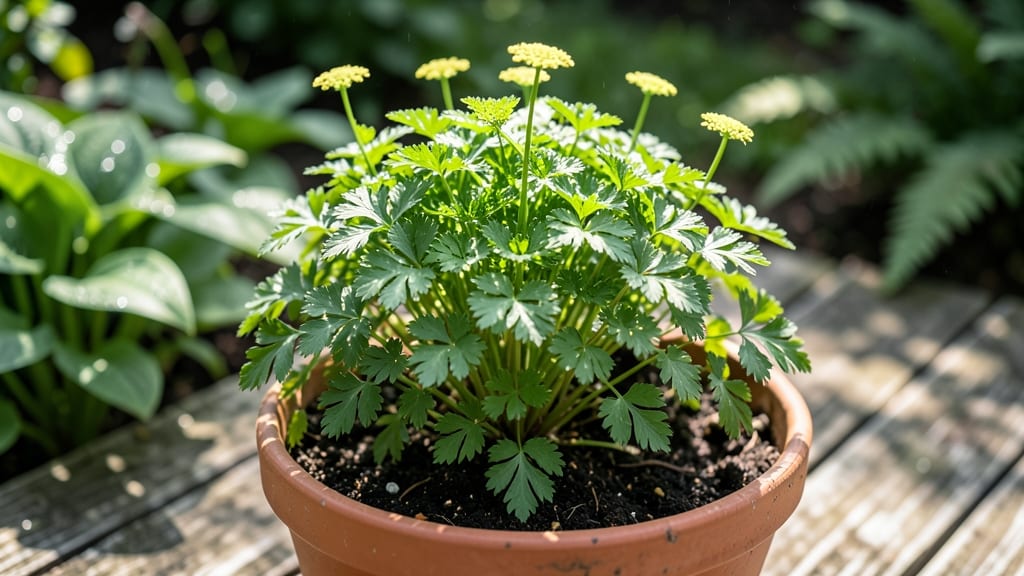
That "parsley-looking plant" in your garden might not be what you think. 🌿 I’ve pulled up wild carrot, poison hemlock, and even cilantro masquerading as parsley—each with completely different care needs (and safety risks). The first step is telling them apart before deciding whether to keep, transplant, or toss it.
Curly or flat-leaf parsley has a distinct bright green color and a slightly fuzzy stem, while toxic look-alikes like poison hemlock have smooth stems and a musty odor when crushed. Wild carrot (Queen Anne’s lace) grows in flat-topped clusters and smells like carrots.
Sniff first, then act. If it’s actually parsley, it’s likely struggling from overwatering, poor soil, or pests. Check the roots—healthy ones are white and fibrous. Yellowing leaves? That’s your clue to adjust watering or add compost. A quick soil test can reveal nutrient deficiencies.
For toxic look-alikes, do not ingest—even small amounts can be dangerous. Call your local extension office if you’re unsure. Once you’ve identified it, you’ll know whether to nurture, relocate, or remove it safely.
Root Causes Of Stunted Growth
If your herbs are sporting a parsley-like appearance—tall, lanky stems with sparse leaves—don’t panic. This common issue usually stems from a few key factors, often tied to how your plants are being nurtured.
Understanding these causes is the first step to bringing your herbs back to their vibrant, bushy selves. Let’s break down the science behind why this happens and what you can do about it.
Herbs like basil, cilantro, and dill are sun-worshippers. When they don’t get enough light, they stretch toward any available source in a phenomenon called etiolation. This causes stems to elongate and leaves to become sparse and pale, mimicking the leggy growth of parsley.
Why it happens:
- Photosynthesis slowdown: Insufficient light reduces chlorophyll production, weakening the plant’s ability to convert sunlight into energy. This forces the herb to prioritize stem growth to reach light sources.
- Hormonal imbalance: Low light triggers an overproduction of gibberellins, a plant hormone that promotes stem elongation at the expense of leaf development.
- Weak cell walls: Without proper light, cells in the stem grow faster but remain structurally weak, leading to that classic "floppy" look.
Actionable fix:
- Move your herbs to a sunny windowsill (south-facing is ideal in the Northern Hemisphere) or supplement with a grow light (12–16 hours/day).
- Rotate pots weekly to ensure even light exposure and prevent one-sided growth.
- If outdoors, ensure they get 6+ hours of direct sunlight daily.
Herbs in soggy soil or those subjected to erratic watering patterns often develop weak, stretched stems as they scramble to stabilize themselves. Overwatering also deprives roots of oxygen, stunting growth and encouraging legginess.
Why it happens:
- Root stress: Waterlogged soil suffocates roots, limiting nutrient and oxygen uptake. The plant diverts energy to survival, sacrificing leaf density for stem strength.
- Nutrient dilution: Excess water washes away essential minerals like nitrogen and phosphorus, which are critical for leafy growth.
- Hormonal signals: Ethylene gas, produced in water-stressed roots, can trigger abnormal growth patterns, including elongated stems.
Actionable fix:
- Let the top 1–2 inches of soil dry out between waterings. Stick your finger in the soil—if it’s damp, wait.
- Use pots with drainage holes and a well-draining soil mix (e.g., 60% potting soil, 30% perlite, 10% sand).
- Water at the base of the plant (not overhead) to avoid fungal issues that weaken stems.
Herbs thrive in stable conditions. Extreme heat, cold drafts, or sudden humidity shifts can disrupt their growth patterns, leading to that parsley-like sprawl. Many herbs originate from Mediterranean climates, where temperatures and humidity remain moderate.
Why it happens:
- Stress hormones: Temperature swings trigger the production of abscisic acid, a stress hormone that can stunt leaf growth and promote stem elongation.
- Transpiration imbalance: Low humidity increases water loss through leaves, forcing the plant to grow taller stems to access moisture deeper in the soil.
- Root temperature shock: Cold soil (below 50°F) slows root activity, while hot soil (above 90°F) can "cook" roots, both leading to poor nutrient absorption and leggy growth.
Actionable fix:
- Keep herbs in a consistent temperature range (60–75°F during the day, 55–65°F at night). Avoid placing them near drafty windows, AC vents, or heaters.
- Use a humidity tray or pebble tray under pots to maintain 40–60% humidity, especially in dry climates.
- If growing outdoors, harden off seedlings gradually and protect them from sudden temperature drops with row covers.
Herbs need a balanced diet of nutrients to grow compact and bushy. Too little (or too much) fertilizer can throw their growth off-kilter, leading to that familiar parsley-like appearance.
Why it happens:
- Nitrogen deficiency: Nitrogen is critical for leafy growth. Without enough, herbs prioritize stem development to support the few leaves they have.
- Phosphorus imbalance: Too much phosphorus can lock out nitrogen and other nutrients, causing stunted leaf production and elongated stems.
- Micronutrient starvation: Lack of magnesium (a key component of chlorophyll) or iron leads to pale, sparse leaves and weak stems.
- Salt buildup: Over-fertilizing causes salt accumulation in the soil, which damages roots and prevents nutrient uptake.
Actionable fix:
- Use a balanced, water-soluble fertilizer (e.g., 10-10-10 or 5-5-5) every 4–6 weeks during the growing season.
- Avoid fertilizing new seedlings—wait until they’ve developed their first true leaves.
- Flush the soil every few months with water for 15 minutes to prevent salt buildup.
- Test your soil’s pH (ideal range: 6.0–7.0 for most herbs). Adjust with lime (to raise pH) or sulfur (to lower pH) if needed.
When herbs are planted too closely together or their roots become root-bound (circling the pot), they compete aggressively for resources. This competition often results in tall, weak stems as the plant stretches to outcompete neighbors.
Why it happens:
- Resource competition: Overcrowding forces plants to grow upward to access light and nutrients, leading to sparse foliage.
- Root restriction: Root-bound plants can’t absorb water and nutrients efficiently, triggering stress responses like elongated growth.
- Hormonal signals: Ethylene and other stress hormones are produced when roots are constrained, promoting stem elongation.
Actionable fix:
- Space herbs according to their mature size (e.g., 6–12 inches apart for basil, 12–18 inches for dill).
- Repot root-bound herbs into a container 2–3 inches larger in diameter and refresh the soil.
- Thin out seedlings if they’re growing too close, leaving only the strongest 2–3 stems per plant.
- Prune leggy stems to encourage bushier growth (see the next section for tips!).
Reviving Your Herbs in 3 Steps
If your once-vibrant parsley or other herbs now resemble a sad, wilted bouquet, don’t toss them just yet! With the right care, you can nurse them back to health—and even prevent future setbacks. Below are practical, step-by-step fixes tailored to common issues, plus prevention tips to keep your herbs thriving.
Before diving into fixes, identify what’s ailing your plant. Here’s a quick cause-to-cure guide:
Yellowing leaves (overwatering or nutrient deficiency)
🔥 Cause: Too much water (root rot) or lack of nutrients (e.g., nitrogen). 🍳 Fix:
- Drainage first: Let soil dry out between waterings—stick your finger 1 inch deep; if damp, wait.
- Fertilize lightly: Use a balanced liquid fertilizer (10-10-10) diluted to half-strength.
Feed every 4–6 weeks in growing season. - Prune damaged leaves with clean scissors to redirect energy.
💡 Prevention Tip: Use well-draining pots (terracotta or containers with drainage holes) and mulch to retain moisture without soggy roots.
Leggy, weak stems (lack of light)
👨🍳 Cause: Stretching toward light means your herbs aren’t getting enough sun (6+ hours daily for parsley, cilantro, etc.). 🥘 Fix: - Move to a sunnier spot—south or west-facing windowsills work best.
If indoors, supplement with a grow light 12 inches away for 14 hours/day. - Pinch back leggy growth to encourage bushier, sturdier stems. - Rotate the pot weekly so all sides get even light.
🌡️ Prevention Tip: Start seeds indoors 4–6 weeks early (if growing from seed) to harden off gradually before transplanting outside.
Brown, crispy edges (underwatering or humidity issues)
🔪 Cause: Dry air (common in heated homes) or inconsistent watering. ⏰ Fix:
- Water deeply but less often: Soak the soil until water drains from the bottom, then wait until the top inch is dry.
- Boost humidity: Place the pot on a pebble tray with water or mist leaves lightly (avoid soggy soil).
- Trim dead foliage to prevent pests from moving in.
✨ Prevention Tip: Group herbs together to create a microclimate—they’ll benefit from each other’s humidity!
Sometimes, the problem runs deeper than just water or light. Refresh your plant’s home with these low-effort tweaks:
Repot for better drainage (if soil is compacted)
- When to do it: If roots are circling the pot or soil feels hard when dry.
- How to do it: 1. Gently remove the plant and loosen roots tangled in the pot. 2.
Choose a slightly larger pot (2–3 inches wider) with drainage holes. 3. Use fresh potting mix (herb-specific blends work best) and add a handful of perlite or sand for aeration. 4. Water lightly after repotting and place in indirect light for a week to recover.
Adjust watering habits (the right way)
- Morning watering is key: It reduces evaporation and fungal risks.
- Avoid wetting leaves: Water at the base to prevent mildew.
- Test soil moisture: Use a moisture meter or the finger test (as mentioned above).
Once your herbs perk up, keep them happy long-term with these proactive habits:
Rotate & prune regularly
- Rotate pots weekly to prevent uneven growth toward light.
- Harvest often: Snip outer leaves (not the center) to encourage bushiness. Regular harvesting = more flavorful regrowth!
Watch for pests early
- Common culprits: Aphids, spider mites, or whiteflies love stressed herbs.
- Natural fixes:
- Neem oil spray (mix 1 tsp neem oil + 1 tsp mild soap + 1 quart water; spray weekly).
- Introduce beneficial insects like ladybugs or lacewings.
Seasonal care adjustments
- Winter: Reduce watering (plants grow slower) and move indoors if temps drop below 40°F.
- Summer: Provide afternoon shade in hot climates to prevent leaf scorch.
Need a one-page cheat sheet? Bookmark this!
| Problem | Quick Fix | Prevention Tip |
|---|---|---|
| Yellow leaves | Let soil dry; fertilize lightly | Use well-draining pots |
| Leggy, weak stems | Move to sunlight; pinch back | Rotate pot weekly |
| Brown, crispy edges | Water deeply; boost humidity | Group plants together |
| Root rot | Repot with fresh soil; reduce water | Test soil before watering |
| Pests | Neem oil spray; introduce predators | Inspect leaves regularly |
Your herbs deserve a second chance—and with these steps, they’ll bounce back stronger than ever! Whether it’s a sunny windowsill makeover or a soil refresh, small changes yield big results. 🌿✨
Frequently asked questions
Is that parsley-looking plant actually edible?
Not always! While true parsley has bright green, slightly fuzzy leaves and a mild anise-like flavor, toxic look-alikes like poison hemlock or wild carrot can resemble it closely. Always check for a musty odor (toxic) or carrot-like smell (wild carrot) before eating. When in doubt, consult a plant identification app or local extension office.
Why does my parsley look more like grass than a bushy herb?
Leggy parsley usually means it’s not getting enough sunlight (6+ hours daily) or nutrients. The plant stretches toward light (called etiolation) and becomes sparse. Fix it by moving to a sunnier spot, pinching back the tips to encourage bushiness, and fertilizing lightly with a balanced herb fertilizer every 4-6 weeks.
Can I grow parsley indoors year-round?
Yes! Parsley thrives indoors with bright light (south-facing window or grow lights) and well-draining soil. Use a pot with drainage holes and water when the top inch of soil feels dry. Rotate the pot weekly for even growth, and harvest leaves regularly to encourage fuller plants. Just avoid cold drafts, which can stress the plant.
What should I do if my parsley plant has yellow leaves?
Yellowing leaves usually signal overwatering or nutrient deficiency. Let the soil dry out between waterings and check for root rot (smelly, mushy roots). If needed, repot with fresh, well-draining soil and fertilize lightly with a balanced liquid fertilizer. Prune damaged leaves to redirect energy to healthy growth.
How do I tell the difference between parsley and cilantro?
While both have flat or curly leaves, parsley has a slightly fuzzy stem and a peppery, anise-like flavor, while cilantro has smooth stems and a citrusy, soapy taste (some people dislike this!). Parsley leaves are also more finely divided and grow in a bushier clump. Crush a leaf—if it smells like licorice, it’s parsley!