
Planting
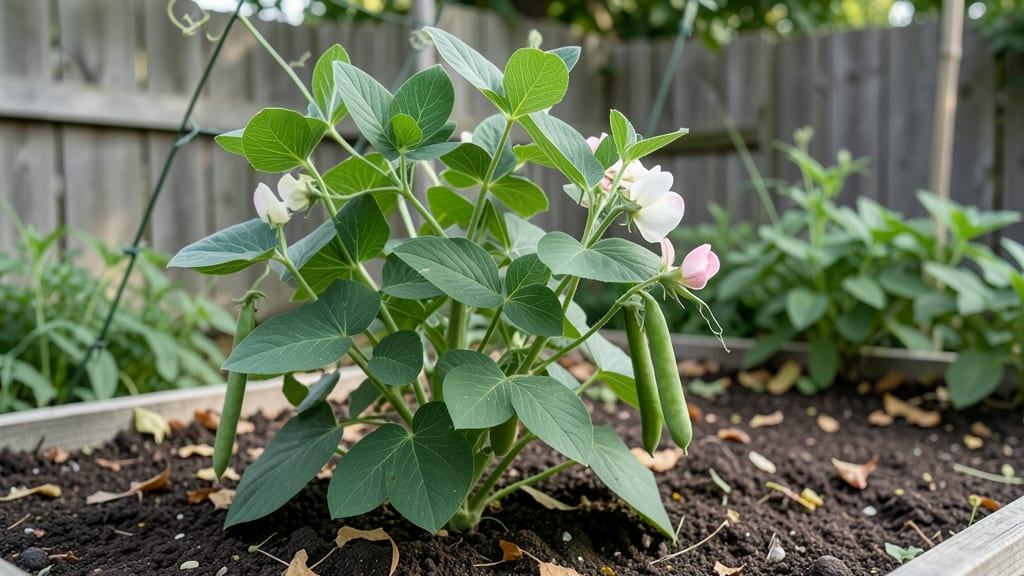
Understanding pea plant parts turns you from a gardener into a savvy harvest planner. 🌱 From the tender shoots you can eat like asparagus to the sweet pods packed with protein, every part has a purpose—and knowing them means you'll grow peas that thrive, not just survive.
Start with the roots, which anchor the plant and soak up moisture from 12–18 inches down. Above ground, the stems (vines) climb or sprawl, while leaves—those feathery, compound shapes—photosynthesize sunlight into energy.
Then come the flowers, tiny but critical: they transform into the pods where seeds mature, and those seeds are the next generation of your crop.
Recognizing these parts helps you prune wisely (pinch back tips to encourage bushier growth), harvest at peak freshness (pick pods when plump but still firm), and spot pests early (aphids love tender shoots). You'll end up with a garden that produces more, faster, and with less guesswork.
Whether you're growing peas for food, flowers, or just the joy of watching them climb, this guide keeps you ahead of the curve. Let's break it down so you can grow like a pro—even if you're just starting out.
📚 In This Guide
- What you need
- Instructions
- Tips and common mistakes
- Wrapping up and next steps
What you need
- ● Pea Seeds: 50–100 organic or heirloom pea seeds (e.g., Sugar Snap, Snow Pea, or Garden Pea varieties). Choose non-GMO for best flavor!
- ● Growing Containers: 2–3 large pots (12+ inches deep) or
- ● A raised garden bed (18" x 12" minimum)
- ● Potting Mix: 5–10 gallons of well-draining, organic soil blend (add compost for nutrient boost!)
- ● Support Structures: Trellis or stakes (4–6 ft tall) for climbing varieties
- ● String or twine (for tying vines)
- ● Watering Can: 1–2 gallon capacity with a fine rose nozzle
- ● Fertilizer: Balanced organic fertilizer (5-5-5 or 10-10-10)
- ○ Optional: Compost tea or fish emulsion for extra nutrients
- ● Harvesting Tools: Sharp kitchen scissors or pruning shears
- ● Glass jars or mesh bags for storage
- ● Grow lights (if starting indoors)
- ● Mulch (straw or shredded leaves to retain moisture)
- ● Plant markers (to label varieties)
- ● Food processor (for blending pea shoots into smoothies!)
Understanding pea plant anatomy for maximum harvest
Here’s how to identify every edible part of your pea plant—and when to pick them for best flavor.
🌱 Step 1: Identify the Edible Shoots and Vines
Pea shoots are the tender, young stems that emerge from the soil before the first true leaves appear. These are the most delicate part of the plant and best harvested when they reach 2-4 inches tall. They have a mild, sweet flavor similar to asparagus and are packed with nutrients like vitamin K and folate.
To harvest, simply snip the shoots just above the soil line with clean scissors. Avoid pulling them to prevent damaging the root system. I like to harvest shoots in the morning when they’re most tender. If you let them grow too tall, they’ll develop a tougher texture and bitter taste.
🌿 Step 2: Recognize the Leaves and Tendrils
The leaves of a pea plant are compound, meaning they’re made up of multiple leaflets arranged in pairs along the stem. These leaflets are edible and can be harvested young for a fresh, slightly pea-flavored addition to salads or sautés. Wait until the leaves are fully unfurled but still soft—typically 3-5 inches wide—before picking.
Don’t harvest more than one-third of the foliage at a time to ensure the plant continues producing pods. The tendrils, which are thin, wiry growths that help the plant climb, are also edible when young and tender. They add a subtle crunch to dishes and can be used like asparagus or green beans.
🌱 Step 3: Locate and Harvest the Flower Buds
Pea flower buds are small, rounded, and appear in clusters along the vine. They’re often overlooked but are incredibly flavorful and can be eaten raw or lightly cooked. Harvest buds when they’re still tightly closed but plump—this ensures they’re at their sweetest. Use a pair of small scissors or your fingers to gently twist them off the stem.
If you let the buds open into flowers, they’ll eventually produce pods, but harvesting them early means you get two harvests: first the buds, then the pods. I’ve found that buds picked in the late afternoon have the most intense flavor, likely due to the plant’s natural sugar accumulation during the day.
🌱 Step 4: Master Pod Identification and Harvesting
The pods are the most recognizable part of the pea plant, and they’re ready for harvest when they’re 2-3 inches long and slightly plump but still firm to the touch. Overripe pods become tough and fibrous, while underripe ones will be small and bland. Snap pods at the stem to avoid damaging the vine.
Pea pods can be eaten fresh, shelled, or even dried. For snow peas, harvest when the pods are flat and crisp. For snap peas, wait until they’re slightly swollen but still tender. Shelling peas should be picked when the pods are fully rounded but before the peas inside become too large. I always harvest pods in the morning when they’re cool and crisp.
✂️ Step 5: Understand the Root System and When to Harvest
The roots of pea plants are typically not edible, but if you’re growing certain varieties like the sugar snap pea, the roots can be used in traditional medicine for their high nutrient content. However, most gardeners focus on the aboveground parts. The roots are deep and fibrous, anchoring the plant and supporting its vertical growth.
If you’re growing peas for their roots, you’ll need to harvest the entire plant once the pods have finished producing. Pull the plant gently from the soil, shake off excess dirt, and use the roots in teas or tinctures. For most home gardeners, though, the roots stay in the ground, enriching the soil with nitrogen as they decompose.
Tips & tricks for perfect pea plant harvesting
Took me years of trial-and-error gardening to master these little tricks—now you can skip straight to the good stuff.
Timing Secret: Morning is your golden window for harvesting pea shoots and pods. The cool temperatures and dew keep them crispest, while afternoon heat can make shoots wilt and pods toughen. I’ve found that buds picked in late afternoon actually pack more concentrated sweetness—likely because the plant’s sugars migrate during daylight hours. For shoots, aim for 2-4 inches tall; any taller and they’ll turn bitter.
Harvesting Technique: Always use clean, sharp scissors or pruners when harvesting shoots and pods. This prevents crushing delicate stems and makes clean cuts that heal faster. For leaves, gently pinch off individual leaflets rather than tearing them—this encourages more growth. And here’s what nobody tells you: when harvesting pods, snap them at the stem rather than cutting. This reduces stress on the plant and prevents disease entry points.
Sustainable Yield: The one-third rule is non-negotiable—never harvest more than one-third of the foliage at once. This ensures your plant keeps producing. I’ve ruined multiple harvests by overzealous picking, only to watch the plant wilt. For continuous production, focus on the youngest growth: shoots first, then leaves, then buds, and finally pods. This staggered approach maximates both quantity and quality.
Visual Cues: When pods reach 2-3 inches, look for these telltale signs: a slight plumpness but still firm texture, and a vibrant green color without yellowing. For snow peas, the pods should remain flat and crisp; for snap peas, they’ll swell slightly but stay tender. Overripe pods develop a woody texture—once you feel that, you’ve missed your window. The same goes for leaves: harvest when they’re fully unfurled but still soft enough to crumple slightly between fingers.
Pro Tips for Parts Of Pea Plant
- Took me years of trial-and-error gardening to master these little tricks—now you can skip straight to the good stuff.
- Timing Secret: Morning is your golden window for harvesting pea shoots and pods.
- Harvesting Technique: Always use clean, sharp scissors or pruners when harvesting shoots and pods.
Frequently asked questions
Got questions about pea plant parts? You’re not alone! Here are some common queries—plus quick, actionable answers to help you make the most of every edible piece of your pea plant.
What parts of a pea plant are actually edible?
The whole plant is edible! Young shoots (like snow peas), pods (sugar snap or garden peas), leaves (tender when young), and even flowers (for garnishes or tea) are all fair game. Just avoid older, fibrous pods or bitter-tasting leaves.
How do I know when pea pods are ready to harvest?
Timing is everything! For snow peas, pick when pods are flat and 2–3 inches long but still bright green. Sugar snap peas should be crisp with plump peas inside. Garden peas are ready when pods bulge and turn a deeper green. Pro tip: Harvest in the morning for the sweetest flavor!
Can I eat pea plant leaves? Are they safe?
Yes! Young pea leaves are mild and nutritious—rich in vitamins A, C, and K. Harvest leaves early (before flowering) to avoid bitterness. Cook them like spinach (sautéed, in soups, or blended into pesto). Warning: Avoid leaves from plants treated with pesticides.
What can I do with pea plant parts I don’t eat?
Don’t waste a thing! Stems can be chopped into stir-fries or stock. Flowers add color to salads or desserts. Vines make great compost or mulch. Even peelings from pods can go into compost—just skip woody bits.
Why are my pea pods shriveled or not forming?
Common culprits: lack of water, poor pollination (needs bees!), or cool temps. Try hand-pollinating with a paintbrush if flowers aren’t setting pods. Ensure consistent moisture and plant in full sun. Fix: Add a light mulch to retain soil warmth.
Wrapping up and next steps
Understanding the parts of a pea plant isn’t just fascinating—it’s your ticket to a thriving garden and a bounty of fresh, nutritious food! 🌱 From the tender edible shoots to the sweet pods and nutrient-packed leaves, every piece plays a role in sustainability and flavor.
Whether you’re a beginner or a seasoned gardener, this knowledge empowers you to grow with confidence.
Ready to take the next step? Start by planting a few pea seeds this season—your kitchen (and taste buds) will thank you! 🌟 Check out our planting guide for hands-on tips to get growing.