
Planting
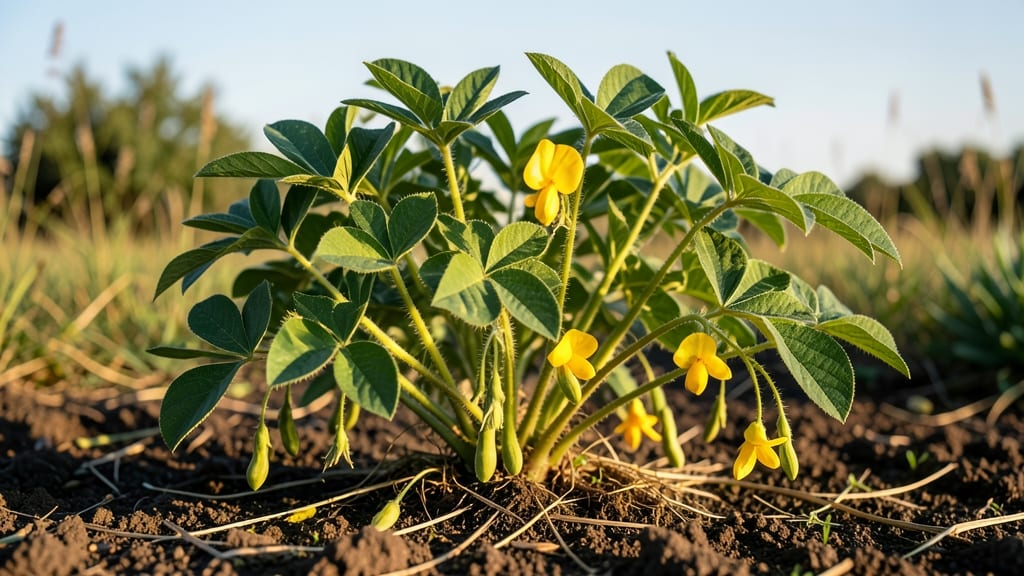
Mastering peanut plant care means embracing a rewarding journey that turns patience into a bountiful harvest straight from your soil. 🌱 I've learned the hard way that peanuts need warmth, loose soil, and consistent care—but once you nail those basics, you'll be harvesting your own homegrown nuts by late summer.
The key is starting early, because these plants take their time to mature.
Peanuts thrive in well-draining soil with a pH between 5.8 and 6.2, and they need at least 6-8 hours of sunlight daily. Most gardeners overlook the importance of sandy, loamy soil—they're picky about texture!
Plant seeds 1-2 inches deep after all frost danger has passed, and give them space to spread (18-24 inches apart). The magic happens underground, where those pods form after flowering.
Watering is where many gardeners trip up—too much causes rot, too little stunts growth. Keep soil consistently moist but never soggy, especially during flowering and pod development. You'll know you're doing it right when you see those yellow flowers appear about 45 days after planting.
By late summer, you'll be harvesting pods with 3-4 inches of soil still attached—that's how you know they're ready.
Pests like spider mites and leaf-footed bugs can be a nuisance, but a strong spray of water usually sends them packing. The real secret? Peanuts grow best in warm climates (zones 9-11), but with row covers and extra heat, you can grow them successfully in zones 7-8 too.
Even if you're new to gardening, peanuts are surprisingly forgiving once you understand their quirks.
📚 In This Guide
- What you need
- Instructions
- Tips and common mistakes
- Wrapping up and next steps
What you need
- ● Peanut seeds: 1–2 lbs (choose disease-resistant varieties like Virginia, Runner, or Spanish types).
- ● Well-draining soil: Sandy loam with a pH of 6.0–6.5 (test your soil or amend with compost).
- ● Organic fertilizer: Balanced 10-10-10 or compost (5–10 lbs per 100 sq ft).
- ● Mulch: Straw or pine needles (2–3 inches thick to retain moisture).
- ● Watering can or hose with a gentle spray nozzle.
- ● Garden trowel or hand shovel (for planting seeds 1–2 inches deep).
- ● Gloves (to protect hands while handling soil and plants).
- ● Pruners or scissors (for trimming excess foliage or harvesting).
- ● Row marker or stakes (to mark planting rows, 12–18 inches apart).
- ○ Drip irrigation or soaker hose (optional): For consistent moisture without overwatering.
- ● Sunlight: Full sun (6–8 hours daily).
- ● Warmth: Peanuts thrive in temperatures 70–90°F (plant after last frost).
- ● Space: Minimum 12-inch spacing between plants (or 18 inches for larger varieties).
- ● Patience: Peanuts take 120–150 days to mature!
Step-by-step guide to growing peanuts with confidence
Peanuts thrive with simple care—here’s how to keep them happy from seed to harvest.
🌱 Step 1: Prepare the Soil and Plant Seeds
Peanuts love warm, well-draining soil with a pH between 6.0 and 6.5. Work in 2-3 inches of compost into the top 6 inches of soil to loosen it—peanuts hate compacted roots. Choose a spot with full sun (6+ hours daily) and airy soil that feels like a damp sponge when squeezed.
Plant seeds 1 inch deep and 4-6 inches apart in rows spaced 18 inches apart. If your soil stays cool, lay black plastic mulch over the bed 1-2 weeks before planting to warm the ground—peanuts won’t sprout until soil hits 70°F. I always test germination by pressing a seed between damp paper towels for 3-5 days to confirm it’s viable before planting.
☀️ Step 2: Water and Maintain Moisture
Water deeply 1-2 times per week once seedlings emerge, aiming for 1 inch of water total. Peanuts are drought-tolerant but need consistent moisture during flowering and pod development. You’ll know you’re on track when the soil feels damp 2 inches down—not soggy, not dry.
Stop watering 2 weeks before harvest to toughen the skins. Mulch with straw or leaves to retain moisture and prevent soil crusting. Watch for yellowing lower leaves—this signals underwatering, not disease. Peanuts handle heat well, but wilting in the afternoon means they need more frequent watering.
✂️ Step 3: Support Vines and Control Weeds
When vines reach 6 inches tall, gently mound soil around the base to encourage peg development (the underground stems where peanuts form). Keep mounds 3-4 inches high—this prevents vines from sprawling and improves pod production. I use a small shovel to create gentle hills rather than piling soil abruptly.
Weeds compete fiercely with peanuts, so hoe shallowly every 2 weeks to avoid damaging pegs. Peanut vines sprawl 2-3 feet, so train them into rows with light twine if needed. You’ll see purple flowers appear 60-70 days after planting—this is your cue to start monitoring for pegs forming in the soil.
🪴 Step 4: Harvest and Cure Peanuts
Peanuts are ready when leaves yellow and drop and vines turn brown (120-140 days after planting). Dig carefully with a fork to avoid bruising pods—look for pegs 3-4 inches long with small nuts inside. Cure peanuts by spreading them in a single layer in a dry, shaded, well-ventilated area for 10-14 days. Turn them daily to prevent mold.
Once dry, shell a few test peanuts—if they’re firm and plump, store them in an airtight container in a cool, dark place. Peanuts left in humid soil will rot, so harvest before the first frost if growing in cooler climates. I always save a few pods to replant next season—they germinate beautifully!
Tips & tricks for perfect peanut plant care
Here's what nobody tells you about growing peanuts—these tricks make all the difference between a decent harvest and a bountiful one.
Soil Prep Secret: Before planting, mix in a handful of wood ash (about 1 cup per 10 feet of row) to naturally raise soil pH toward that ideal 6.0-6.5 range. Peanuts are sensitive to acidity, and this small step prevents yellowing leaves later. I also recommend testing your soil pH with a simple test kit—it's cheaper than wondering why your plants look stressed!
Germination Test: That 3-5 day germination test in damp paper towels isn't just a good idea—it's essential. Cold soil and old seeds are the biggest reasons peanuts fail to sprout. If your seeds don't sprout within 5 days, replace them. I've saved myself countless disappointments by catching bad seeds early.
Watering Wisdom: The "damp 2 inches down" check is your best friend, but here's the pro move: water in the morning so leaves dry quickly. Wet foliage at night invites fungal diseases. I use a moisture meter for the first few weeks to get a feel for when that 1 inch of water is truly absorbed—it's not always what you think!
Harvest Timing: Those 120-140 days are a guideline, but watch for the real signs: when most vines turn brown and leaves yellow, dig up one plant to check for pegs. If they're 3-4 inches long with small nuts inside, it's harvest time. Rushing can leave peanuts underdeveloped, while waiting too long risks frost damage.
Pro Tips for Peanut Plant Care
- Here's what nobody tells you about growing peanuts—these tricks make all the difference between a decent harvest and a bountiful one.
- Soil Prep Secret: Before planting, mix in a handful of wood ash (about 1 cup per 10 feet of row) to naturally raise soil pH toward that ideal 6.0-6.5 range.
- Germination Test: That 3-5 day germination test in damp paper towels isn't just a good idea—it's essential.
Frequently asked questions
Got questions about growing peanuts? You’re not alone!
Here are answers to the most common concerns—from timing to troubleshooting—so you can cultivate a bountiful peanut harvest with confidence.
How long does it take for peanut plants to grow and produce peanuts?
Peanuts have a longer-than-expected growing season—typically 120 to 150 days from planting to harvest. Early varieties may mature in as little as 90 days, but patience is key! Plant in warm soil (70°F+) and expect pods to form underground 4 to 6 weeks after flowering.
Can I grow peanuts indoors or in containers?
Peanuts are not ideal for indoor growing due to their sprawling vines and need for warm, sandy soil. However, you can try them in large containers (at least 12 inches deep) outdoors. Place them in full sun, use well-draining potting mix, and expect smaller yields. Bonus tip: Train vines to climb a trellis to save space!
Why are my peanut plants wilting or turning yellow?
Wilting or yellowing leaves usually signal overwatering, poor drainage, or pests. Peanuts hate soggy roots—let soil dry slightly between waterings. Check for aphids, spider mites, or fungal diseases (like leaf spot). Fix it: Improve drainage, trim affected leaves, and apply neem oil if pests strike.
What’s the best temperature range for growing peanuts?
Peanuts are heat-loving plants! Ideal temps:
- Soil: 70–95°F (21–35°C) for germination and growth.
- Air: 75–85°F (24–29°C) during flowering.
Are there low-maintenance alternatives to traditional peanut plants?
If peanuts seem high-maintenance, try these easier legumes for similar benefits:
- Groundnuts (Apios): Hardy, edible tubers, and less fussy.
- Lupini beans: Drought-tolerant with nitrogen-fixing roots.
- Cowpeas: Fast-growing, pest-resistant, and great for soil.
Wrapping up and next steps
Caring for peanut plants is simpler than you might think—with the right conditions, a little patience, and these easy steps, you’ll soon be harvesting your own homegrown peanuts! 🌱 Remember, consistent moisture, warm soil, and proper spacing are your best friends for a thriving crop.
Whether you’re a beginner or a seasoned gardener, every small effort leads to big rewards.
Ready to take the next step? Start by planting your seeds this season! If you’re eager to expand your gardening skills, explore other low-maintenance crops or dive deeper into organic gardening techniques—your green thumb is growing stronger every day! 🌟