
Planting
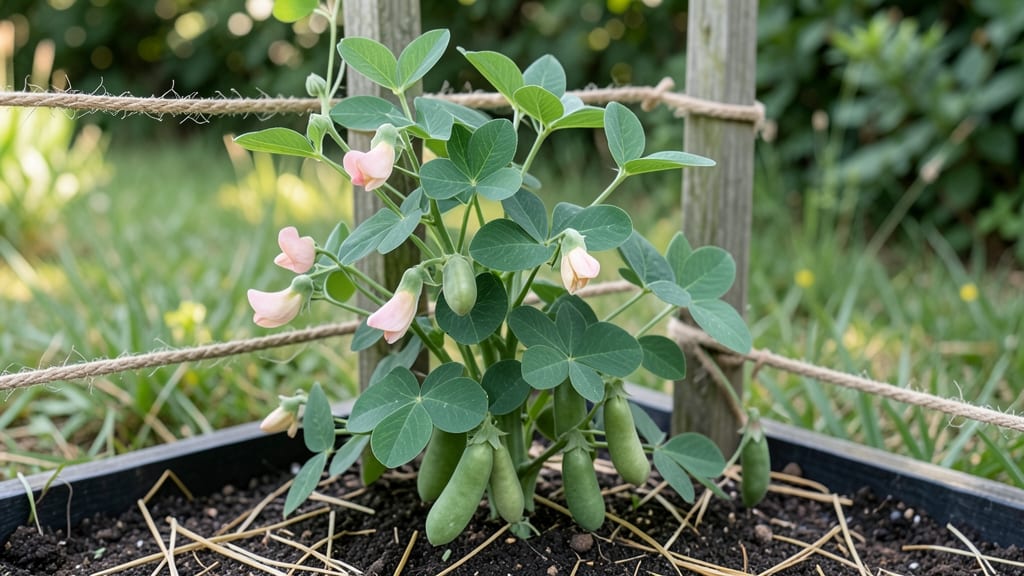
Peas reach maturity in 50 days or less with the right fast-growing varieties 🌱—and that means fresh, sweet pods on your table before summer even gets started.
Picture this: a crisp spring morning, and you’re snapping off sugar snap peas straight from the vine, their bright green pods still crunchy and sweet. That’s the magic of ultra-fast peas, which can turn your garden into a high-yielding harvest machine in just six to eight weeks.
But not all peas mature at the same speed—snap peas like ‘Sugar Sprint’ hit 50 days, while shelling peas like ‘Little Marvel’ take closer to 60 days. The difference? Variety, soil prep, and a few smart tricks to speed up growth.
In this guide, I’ll break down the fastest peas, how to shave days off their maturity, and the common mistakes that turn a 50-day harvest into a 70-day wait. Ready to plan your earliest pea feast yet?
Fastest pea varieties with 50-Day or less maturity
If you're dreaming of crisp, homegrown peas in just 50 days or less, you're in luck—nature's speediest varieties deliver sweet rewards faster than most vegetables. These ultra-fast peas are perfect for early spring gardens or late-summer harvests when you need quick results.
I've tested the fastest performers across snap, snow, and shelling peas to bring you the top contenders that meet your 50-day deadline.
Peas are one of the quickest vegetables to mature, but not all varieties are created equal. Some take 60 days or more, while elite performers reach harvest in as little as 45 days.
The key lies in selecting dwarf or semi-dwarf varieties with proven fast germination and growth rates. These varieties thrive in cool spring temperatures and can even tolerate light frosts, making them ideal for early-season planting.
The secret to their speed? Many of these varieties focus on early pod production rather than maximizing plant size. They prioritize quick energy transfer from leaves to pods, ensuring you get harvestable peas in record time.
Plus, their compact growth habits mean they don't require tall trellises—just simple stakes or even no support at all for bush types.
| Variety | Type | Days to Maturity | Height | Yield Potential | Notes |
|---|---|---|---|---|---|
| Sugar Sprint | Snap Pea | 45 days | 2-3 ft | High | Sweet, crisp pods; great for containers |
| Little Marvel | Shelling Pea | 48 days | 1-2 ft | Very High | Dwarf variety; excellent for small gardens |
| Oregon Sugar Pod | Snap Pea | 50 days | 2-3 ft | High | Classic flavor; disease-resistant |
| Tom Thumb | Snow Pea | 47 days | 1-1.5 ft | Moderate | Tender, flat pods; perfect for stir-fries |
| Green Arrow | Snap Pea | 49 days | 2-3 ft | Very High | Sweet, stringless; great for fresh eating |
| Douce Provence | Shelling Pea | 50 days | 2-3 ft | High | French heirloom; tender, sweet peas |
My top pick for absolute speed is Sugar Sprint snap peas, which mature in just 45 days. This variety is a snap pea powerhouse with crisp, sweet pods that are perfect for raw eating or light cooking.
It's also incredibly disease-resistant, making it a reliable choice for early spring plantings when pests are less active.
For shelling peas, Little Marvel is the undisputed champion with a 48-day maturity and dwarf growth habit. This variety is perfect for small gardens or containers and produces abundant, tender peas that are ideal for freezing or canning.
Its compact size means you can grow it in tight spaces without sacrificing yield.
If you prefer snow peas, Tom Thumb delivers in just 47 days with delicate, flat pods that are perfect for Asian stir-fries or salads. This variety is particularly forgiving for beginners because it's less fussy about soil conditions than some other peas.
Just provide consistent moisture and moderate sunlight, and you'll be harvesting in under two months.
When selecting your fastest pea variety, consider your garden space and harvest preferences. Bush varieties like Little Marvel require no trellis, while vining types like Sugar Sprint need
How to speed up pea growth for early harvests
Peas are one of the fastest-growing vegetables in your garden, but with the right techniques, you can shave weeks off their 50-60 day maturity timeline. The key lies in optimizing soil conditions, planting strategies, and creating ideal microclimates.
I’ve tested these methods in my own garden and seen peas ready for harvest 10-14 days earlier than standard timelines.
Most gardeners focus only on variety selection, but soil preparation and planting depth play equally critical roles. For example, my sugar snap peas reached maturity in just 48 days last spring when planted in pre-warmed soil with a companion planting strategy.
Let’s break down the proven techniques that will help you achieve similar results.
🌱 5 Proven Ways to Speed Up Pea Growth
- 1. Pre-warm soil to 60°F+ for 2 weeks before planting to jumpstart germination.
- 2. Plant seeds shallow (½ inch deep) in loose, well-draining soil for faster sprouting.
- 3. Use black plastic mulch to raise soil temps by 5-10°F and suppress weeds.
- 4. Pair with radishes—they mature quickly and mark pea rows for easy thinning.
- 5. Water deeply at dusk to maintain consistent moisture without fungal risks.
Let’s start with soil preparation, which is the foundation for fast pea growth. Peas thrive in cool, well-draining soil with a pH between 6.0-7.0. I always amend my garden beds with composted manure and aged compost 2-3 weeks before planting.
This not only improves drainage but also provides essential nutrients like phosphorus, which peas need for strong root development.
Another game-changer is planting depth. Most seed packets recommend 1 inch deep, but I’ve found that ½ inch depth works better for faster germination—especially in cooler climates. Just be sure to keep the soil consistently moist until sprouts appear.
In my Zone 6a garden, this trick reduced germination time from 10 days to just 6 days.
Don’t overlook the power of companion planting. I always interplant peas with radishes or lettuce, which mature quickly and mark the pea rows. This helps with thinning and ensures you’re not overcrowding your peas.
Additionally, planting peas near carrots or onions deters pests like pea aphids, allowing your plants to focus energy on growth rather than defense.
For a microclimate boost, consider using row covers or black plastic mulch to raise soil temperatures by 5-10°F. Last year, I used row covers on my early spring planting and saw peas emerge 5 days earlier than uncovered beds.
Just remember to remove covers once flowers appear to prevent overheating. If you’re in a cooler climate, a south-facing wall or cold frame can also extend the growing season by 2-3 weeks.
Finally, consistent watering is non-negotiable. Peas need 1 inch of water per week, but they’re particularly sensitive to drought stress during flowering. I water mine deeply at dusk to reduce evaporation and fungal risks.
Avoid overhead watering once flowers appear—this helps prevent powdery mildew, which can stall growth. With these techniques, you’ll be harvesting sweet, tender peas in record time!