
Planting
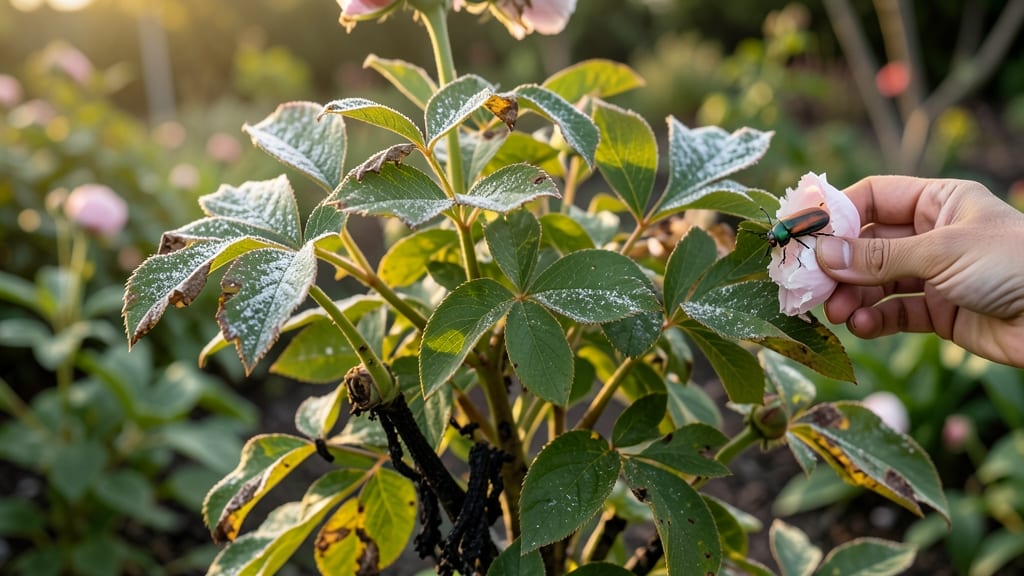
Peony plant problems like flopping buds or spotted leaves? I’ve seen it all—and fixed it too. 🌸 These iconic flowers are tough, but they send SOS signals when something’s off.
The good news? Most peony plant problems have simple fixes, whether it’s bud blast, fungal rot, or pests sucking the life out of your plants.
Overwatering and poor drainage are the #1 culprits behind droopy blooms and blackened stems. I learned that the hard way when my prized ‘Sarah Bernhardt’ peonies turned into a soggy mess. Then there’s bud blast—those swollen buds that refuse to open—usually caused by too much moisture or fungal pressure.
And don’t even get me started on Japanese beetles turning your foliage into lace.
With the right care, you’ll revive wilted blooms and prevent future disasters. Start by adjusting watering (deep but infrequent), adding mulch to improve drainage, and pruning properly in late fall. For fungal issues, a baking soda spray works wonders, and neem oil keeps pests at bay without harsh chemicals.
Once you spot the signs early, peonies bounce back stronger than ever. The key is acting fast—before those beautiful blooms turn into a sad, sad sight. Let’s get your peonies back to their glory days.
Root Causes Of Peony Struggles
Peonies are stunning garden stars, but when they falter, it’s often due to a mix of environmental stress, cultural mismatches, and hidden pests. Understanding the why behind common peony issues—like wilting blooms, yellowing leaves, or stunted growth—helps you fix the problem at its source.
Below, we break down the science and real-world triggers behind your peony’s distress.
Peonies thrive in well-draining soil—when roots sit in soggy conditions, they suffocate, leading to:
- Root rot (a fungal infection from Phytophthora or Pythium), which cuts off nutrient uptake.
- Oxygen deprivation, causing leaves to yellow (chlorosis) or stems to weaken.
- Bloom collapse—waterlogged roots can’t support heavy flower heads.
Why it happens: Peonies hate "wet feet." Their thick, fleshy roots need aeration to function. Clay-heavy or compacted soil traps moisture, while overzealous watering (especially in fall/winter) drowns them. Even mulch piled too high can smother roots, trapping humidity.
Actionable clue: Check for mushy, dark roots or a sour, rotten smell at the base. If your soil feels like a sponge that won’t dry, drainage is the issue.
Peonies are heavy feeders, especially during bloom season. When they lack key nutrients, symptoms appear as:
- Pale or purple-tinged leaves (low nitrogen or iron).
- Small, weak blooms (phosphorus deficiency).
- Stunted growth or leggy stems (potassium or magnesium shortage).
Why it happens:
- Soil depletion: Peonies exhaust nitrogen and phosphorus over time, especially in sandy or poor-quality soil.
- pH problems: Peonies prefer slightly acidic to neutral soil (pH 6.0–7.0). Too alkaline (high pH) locks out iron and manganese, causing yellowing between veins (interveinal chlorosis).
- Over-fertilizing with nitrogen: Too much N promotes leafy growth at the expense of blooms (a common mistake!).
Actionable clue: Test your soil—if it’s below pH 6.0 or above 7.5, that’s your culprit. Also, watch for crispy leaf edges (calcium deficiency) or yellowing older leaves (potassium issue).
Peonies need full sun (6–8 hours daily) but can suffer from:
- Too much heat: Wilting blooms or sunburned leaves (brown patches) in hot climates.
- Late frosts: Flowers opening too early get frost damage (blackened, mushy petals).
- Shade: Stems elongate (etiolation) to reach light, leading to weak, floppy blooms.
Why it happens:
- Heat stress: Temperatures above 90°F (32°C) cause peony flowers to open prematurely and wilt within hours. Their thick petals can’t regulate heat well.
- Cold sensitivity: Buds form in late summer, and frost before bloom time (common in zones 3–5) can kill emerging flowers.
- Inconsistent light: Dappled shade or afternoon sun (hotter) stresses plants more than morning sun.
Actionable clue: If blooms open at dawn but droop by noon, heat is the issue. If they never open, it’s likely frost or insufficient light.
Peonies are resilient but not pest-proof.
Common invaders include: - Peony leaf miners (Phytomyza ranunculi): Larvae burrow into leaves, creating serrated, brown trails. - Japanese beetles: Skeletons leaves overnight, devouring petals and foliage. - Botrytis blight (gray mold): Thrives in humid, crowded conditions, causing brown, mushy stems and buds.
Why it happens:
- Leaf miners lay eggs on undersides of leaves in spring—warm, dry weather speeds up their lifecycle.
- Japanese beetles are drawn to stressed peonies (drought or over-fertilized plants).
- Botrytis spreads via splashing water or poor air circulation (e.g., mulch piled against stems).
Actionable clue: Look for tiny white maggots in leaf tunnels (miners) or skeletonized leaves (beetles). Botrytis often starts as white, fuzzy growth on buds.
Peonies hate disturbance—their roots are shallow and fibrous.
Common errors: - Planting too deep: Buds (eyes) buried below 2 inches of soil won’t bloom (they need light to trigger flowering). - Over-pruning: Cutting back after blooms fade (June) removes next year’s buds. - Dividing at the wrong time: Splitting peonies in spring or fall stresses them; early spring (before leaves emerge) is ideal.
Why it happens:
- Deep planting smothers the crown buds, which require light and air to grow.
- Late pruning removes flower buds that form in summer.
- Improper division severs root systems, leading to weak regrowth.
Actionable clue: If your peony refuses to bloom for years, check if the crown is buried too deep. Healthy buds should be just below soil level.
Peonies need consistent moisture but hate soggy roots. Symptoms of watering woes:
- Drooping blooms (sudden wilting from thirst or heat stress).
- Curling or crispy leaf edges (underwatering or hard water buildup).
- Powdery mildew (from high humidity + poor airflow).
Why it happens:
- Inconsistent watering: Peonies develop deep roots—skipping waterings causes topsoil to dry, stressing the plant.
- Overhead watering: Wet foliage fosters fungal diseases like powdery mildew.
- Hard water: Excess calcium/magnesium in tap water can clog soil pores, reducing drainage.
Actionable clue: Stick your finger 2 inches into soil—if dry, it’s time to water. Morning watering (not evening) prevents fungal issues.
Quick fixes for peony plant woes
Reviving your peonies doesn’t have to be a struggle—with the right approach, you can nurse them back to health and keep them thriving for seasons to come. Below, we’ve mapped out practical, step-by-step solutions for common peony problems, along with prevention tips to stop issues before they start.
Think of this as your peony plant first-aid kit!
Cause: Overwatering, underwatering, heat stress, or nutrient deficiency. Fix It Fast:
- Check the Soil Moisture 💧 - Stick your finger 1-2 inches deep into the soil. If it’s soggy, your peony is drowning; if bone-dry, it’s thirsty. - Overwatered? Let the top 2-3 inches dry out before watering again.
Improve drainage by amending the soil with compost or perlite. - Underwatered? Water deeply at the base of the plant (avoid wetting the leaves) in the early morning or evening to prevent evaporation.
- Trim the Damage ✂️
- Snip off wilting or brown blooms to redirect energy to healthier stems. Use clean, sharp pruners to avoid spreading disease.
- Shade Relief for Heat Stress ☀️
- If blooms droop in scorching afternoons, provide light shade (e.g., a sheer cloth or dappled shade from a nearby tree). Mulch with 2-3 inches of organic mulch (like straw or wood chips) to retain moisture.
- Boost Nutrients 🌿
- Feed with a balanced, slow-release fertilizer (10-10-10) in early spring or a phosphorus-heavy formula (like 5-10-5) to encourage blooming. Avoid high-nitrogen fertilizers—they promote leafy growth at the expense of flowers.
Prevent Future Wilting: ✅ Water consistently—peonies hate "feast or famine" watering. ✅ Plant in well-draining soil—amend heavy clay with sand or compost. ✅ Avoid late-season fertilizing—it can encourage tender new growth that’s prone to frost damage.
Cause: Aphids, Japanese beetles, or spider mites sucking sap or munching on leaves/blooms. Evict the Invaders:
- Handpick the Culprits 👨🍳🐞
- Japanese beetles? Drop them into soapy water. Do this early morning when they’re sluggish.
- Aphids? Blast them off with a strong stream of water from a hose.
- Natural Sprays for Heavy Infestations 🌿 - Neem oil spray (1 tsp neem oil + 1 tsp mild soap + 1 quart water): Spray under leaves and on stems.
Reapply every 5-7 days until pests vanish. - Insecticidal soap (follow label instructions): Works well for aphids and spider mites.
- Attract Predators 🐝
- Plant nearby companion plants like marigolds, garlic, or chives to lure beneficial insects (like ladybugs) that eat pests.
- Physical Barriers 🛡️
- Cover young peonies with floating row covers in early summer to block beetles. Remove covers when flowers open to allow pollinators access.
Prevent Pest Problems: ✅ Inspect plants weekly—catch infestations early! ✅ Remove fallen leaves/debris—pests love hiding there. ✅ Avoid over-fertilizing with nitrogen—soft new growth attracts pests.
Cause: High humidity, poor airflow, or wet foliage. Fungal Fight Plan:
- Improve Airflow 🌬️
- Space plants 2-3 feet apart to reduce humidity buildup.
- Prune crowded branches to let air circulate.
- Fungicide Sprays 💊
- Baking soda spray (1 tsp baking soda + 1 quart water + a drop of soap): Spray every 7-10 days for powdery mildew.
- Copper fungicide (follow label): Use for Botrytis blight (gray mold on stems/blooms).
- Preventative Care 🌡️
- Water at the base (avoid wetting leaves) and water early in the day so foliage dries quickly.
- Remove infected leaves immediately and dispose of them in the trash (not compost).
Prevent Fungal Recurrence: ✅ Avoid overhead watering—use drip irrigation or soaker hoses. ✅ Plant peonies in full sun (6+ hours/day)—fungi thrive in shady, damp spots. ✅ Rotate fungicides if problems persist to avoid resistance.
Cause: Overcrowding, poor nutrition, or improper pruning. Revive the Plant:
- Divide Overcrowded Clumps 🔪
- Dig up the plant in early fall or late winter, separate the eyes (buds) with a knife, and replant sections with 3-5 eyes each. Discard the old center.
- Replant at the same depth—burying too deep can rot stems.
- Fertilize for Balance 📊
- Use a low-nitrogen, high-phosphorus fertilizer (like 2-4-2) in early spring to encourage strong stems and blooms.
- Avoid fresh manure—it can burn roots and cause leggy growth.
- Prune Properly ✂️
- Deadhead spent blooms but leave the foliage until it yellows naturally (this feeds the roots for next year).
- Cut back stems to the ground in late fall or early winter (after the first hard frost).
Prevent Weak Growth: ✅ Divide peonies every 3-5 years—overcrowding leads to weak stems. ✅ Plant in full sun—leggy growth often signals insufficient light. ✅ Mulch lightly (1-2 inches) to regulate soil temperature and moisture.
Pro Tip: 💡 Peonies are tough—they’ll bounce back faster if you act at the first sign of trouble! For stubborn issues, don’t hesitate to dig up and inspect roots for rot or pests.
Frequently asked questions
Why are my peony buds swelling but not opening?
This is called bud blast, usually caused by too much moisture or Botrytis blight. Check for gray fuzzy mold on buds—if present, remove infected buds immediately and apply copper fungicide. For prevention, ensure 2-3 inches of mulch (not touching stems) and avoid overhead watering.
How do I fix yellowing peony leaves?
Yellow leaves often mean overwatering or nutrient deficiency. First, check soil moisture—if soggy, improve drainage with compost or perlite. For yellowing between veins, test soil pH (ideal: 6.0-7.0); add iron sulfate if too alkaline. Feed with low-nitrogen fertilizer (like 5-10-5) in spring.
What should I do about Japanese beetles eating my peony blooms?
Handpick beetles early morning and drop in soapy water. For heavy infestations, spray with neem oil (1 tsp + 1 quart water) or use floating row covers during beetle season. Plant marigolds nearby to attract predator insects like ladybugs that eat beetle larvae.
Can I save a peony with root rot?
Yes, but act fast! Dig up the plant, trim mushy, black roots with clean pruners, and replant in well-draining soil with sand or perlite mixed in. Water lightly for 2 weeks to avoid re-infection. Keep the crown just below soil level—burying too deep prevents recovery.
Why do my peony blooms keep flopping over?
Floppy blooms usually mean heat stress or weak stems from poor nutrition. Provide afternoon shade during extreme heat (above 90°F/32°C) and stake tall stems with soft ties. Feed with phosphorus-rich fertilizer (like 5-10-5) in early spring for stronger stems.