
Planting
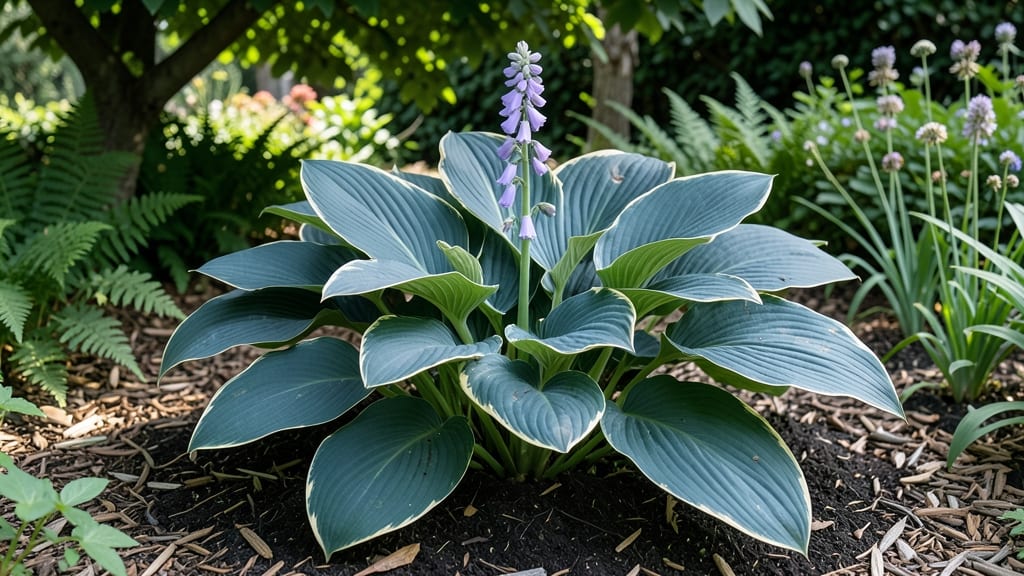
Perennial plant leaves should be your garden's year-round showstoppers—but yellowing, spots, or wilting can turn them into a sad sight. 🌿 I've battled everything from fungal infections to nutrient starvation, and I'm sharing the exact tricks to keep your foliage lush and vibrant from spring to frost.
The first step is identifying the problem: fungal spots? Check the leaf undersides. Yellow patches? Dig into soil moisture and nutrients. Overwatering or pests? Look for chewed edges or sticky residue.
Most issues start with one of three culprits: too much water, not enough nutrients, or a fungal invasion—and each has a targeted fix. With the right care, your perennials will reward you with bold, healthy foliage that stays beautiful even when flowers fade.
Think hostas with deep green waves, heucheras with jewel-toned leaves, or ornamental grasses swaying in winter—all with minimal effort once you know the secrets. Here's how to diagnose, treat, and prevent the most common leaf issues so your garden stays stunning all season long.
Let's get those leaves looking their best!
📚 In This Guide
- What you need
- Instructions
- Tips and common mistakes
- Wrapping up and next steps
What you need
- ● Perennial plants (3–5 varieties for diversity): Evergreen perennials (e.g., Heuchera, Hosta, Sedum) – 3 plants
- ● Seasonal interest plants (e.g., Coral Bells, Lungwort) – 2 plants
- ● Garden soil or potting mix – 5–10 gallons (depending on container size or garden bed)
- ● Organic compost – 2–3 gallons (for enriching soil)
- ● Gloves – 1 pair (gardening gloves for protection)
- ● Hand trowel – 1 (for planting and soil adjustments)
- ● Watering can or hose with spray nozzle – 1 (for gentle hydration)
- ● Mulch – 2–3 bags (e.g., shredded bark or straw for moisture retention)
- ● Pruners or shears – 1 (for shaping and maintenance)
- ● Measuring tape or ruler – 1 (for spacing plants correctly)
- ● Slow-release fertilizer – 1–2 bags (for sustained nutrient supply)
- ● Plant labels or markers – 5–10 (to track varieties)
- ● Garden kneeler or pad – 1 (for comfort during planting)
- ● Rain gauge or moisture meter – 1 (to monitor watering needs)
- ● Decorative stones or pebbles – 1 bag (for aesthetic garden beds)
How to maintain perennial plant leaves for year-round foliage
Here's how I keep perennials lush and vibrant through every season with minimal effort.
🌿 Step 1: Select and Plant for Season-Long Color
Start with perennials known for consistent foliage like heuchera, hostas, or coral bells. These varieties thrive in partial shade and deliver color from spring through frost. Plant in well-draining soil with 2-3 inches of organic mulch to retain moisture and suppress weeds—this is the foundation for healthy leaves.
Space plants according to their mature size—crowding leads to competition for nutrients and weakens foliage. I always plant in early spring when roots can establish before summer heat, giving leaves time to develop strong structures before dormancy. Watch for the first flush of new growth in early spring; that's your signal the plant is waking up and ready for care.
☀️ Step 2: Manage Light Exposure for Optimal Growth
Most foliage perennials prefer 4-6 hours of morning sun with afternoon shade, especially in hot climates. Too much direct afternoon sun scorches leaves, while too little light causes them to lose their vibrant colors. Observe your plants' leaves—if they develop yellow patches or brown edges, adjust their position or provide afternoon shade with a sheer fabric.
In containers, rotate pots a quarter turn weekly to ensure even light exposure. You'll notice more uniform growth and fewer leggy stems when plants receive balanced light from all directions. During winter, move containers to a sheltered spot if your climate experiences heavy snow or freezing winds that could damage tender foliage.
💧 Step 3: Water Strategically for Healthy Foliage
Water deeply once a week during the growing season, aiming for 1 inch of water per week. The key is consistency—perennials develop deep roots when watered thoroughly, which helps them survive drought periods. Check soil moisture by sticking your finger 2 inches deep; if it feels dry, it's time to water.
Water in the morning to allow leaves to dry before evening, preventing fungal diseases like powdery mildew. I always water at the base of plants rather than overhead to keep foliage dry. Mulch helps retain moisture, but don't overdo it—2-3 inches is plenty. You'll see healthier, glossier leaves when plants receive steady hydration without soggy roots.
✂️ Step 4: Prune and Maintain for Year-Long Appeal
Remove dead or damaged leaves throughout the season to encourage new growth. I prune in early spring just as new shoots emerge, cutting back any brown or crispy foliage from winter. This cleanup gives the plant energy to focus on fresh leaves rather than supporting dead material. For variegated perennials, prune to maintain their striking patterns—cutting back too much can reduce their visual impact.
Divide overcrowded perennials every 3-4 years in early spring to maintain vigor. You'll know it's time when leaves become smaller and less vibrant at the center of the plant. Dig up the clump, separate the roots, and replant sections—this rejuvenates growth and ensures your perennials keep their lush foliage for years to come.
⏰ Step 5: Prepare for Winter Dormancy
In fall, reduce watering as temperatures drop, allowing the soil to dry slightly between waterings. This helps harden off the plant for winter. Cut back foliage by one-third to reduce moisture loss and prevent disease. Leave some leaves on ground covers like ajuga or lamium to protect the crown from freezing.
Apply a 3-inch layer of mulch around the base of perennials to insulate roots. I use shredded bark or straw, which breaks down slowly and adds organic matter to the soil. In late winter, just before new growth appears, remove old mulch and replace it with fresh material. You'll see fresh, vibrant leaves emerge more quickly in spring when the soil stays consistently warm and protected.
Tips & tricks for perfect year-round perennial foliage
These simple strategies will help you keep your perennials thriving with vibrant leaves all season long—without the guesswork.
Selection Matters: When choosing perennials like heuchera or hostas, look for healthy plants with firm stems and no signs of yellowing or browning. The key is selecting varieties known for their foliage rather than flowers—these plants are bred specifically to maintain their striking colors from spring through frost. I always check the undersides of leaves for pests before bringing new plants home, which saves headaches later. This upfront attention to plant quality sets the foundation for year-round beauty.
Light Management: The 4-6 hours of morning sun mentioned in Step 2 is crucial, but don't forget to monitor your plants' response. If you notice leaves developing yellow patches or crispy edges, they're getting too much direct sun—especially in afternoon hours. I've found that sheer fabric shade cloths work wonders for protecting delicate foliage while still allowing light penetration. For container plants, that weekly quarter-turn rotation makes a noticeable difference in preventing leggy growth and ensuring even color development.
Watering Wisdom: The once-weekly watering guideline works perfectly for most climates, but your soil type makes all the difference. Sandy soils dry out faster and may need watering every 5-6 days, while clay soils can hold moisture for up to 10 days. I always check that 2-inch depth—if it's damp, hold off on watering. The morning watering habit is non-negotiable for preventing fungal issues, and I've seen powdery mildew completely eliminated by simply switching to this schedule. That 2-3 inch mulch layer is just as important as the watering itself for maintaining consistent moisture levels.
Pruning Precision: That early spring pruning timing in Step 4 is perfect for removing winter-damaged leaves, but don't be afraid to do light maintenance pruning throughout the growing season. I always carry a small pair of sharp pruners with me when inspecting my garden—removing just a few damaged leaves can make a plant look instantly healthier. For variegated varieties, I mark the pruning lines with a pencil before cutting to maintain those beautiful color patterns. And when dividing those overcrowded plants every 3-4 years, I always replant the most vigorous sections for the best results.
Pro Tips for Perennial Plant Leaves
- These simple strategies will help you keep your perennials thriving with vibrant leaves all season long—without the guesswork.
- Selection Matters: When choosing perennials like heuchera or hostas, look for healthy plants with firm stems and no signs of yellowing or browning.
- Light Management: The 4-6 hours of morning sun mentioned in Step 2 is crucial, but don't forget to monitor your plants' response.
Frequently asked questions
Got questions about keeping your perennial plant leaves vibrant and healthy? Here are some answers to common queries that’ll help you garden with confidence!
Why do some perennial leaves turn brown or yellow even with good care?
Brown or yellow leaves are often a sign of stress. Overwatering (or underwatering), nutrient deficiencies, or pests like spider mites can cause this. Check soil moisture, adjust watering habits, and inspect leaves for pests. Pro tip: A balanced fertilizer in early spring can revive dull foliage!
When is the best time to prune perennial leaves for healthier growth?
Prune perennials in early spring before new growth appears or in late fall after foliage dies back. Avoid cutting into old wood—focus on removing dead or damaged leaves. Pro tip: Use clean, sharp shears to prevent disease spread!
Can I use perennial leaves for mulch, or should I compost them?
Yes! Perennial leaves make excellent mulch—they retain moisture and suppress weeds. Shred them first for even coverage. If leaves are diseased, compost them instead to kill pathogens. Pro tip: Mix with nitrogen-rich materials (like grass clippings) for faster decomposition!
How do I protect perennial leaves in extreme heat or cold?
In heat, ensure consistent watering and provide afternoon shade if needed. For cold, mulch heavily (3–4 inches) to insulate roots. Some perennials, like sedum, thrive in heat, while others (like hostas) need winter protection. Pro tip: Group heat-loving plants together for microclimate benefits!
What’s a low-maintenance perennial with striking leaves for beginners?
Try Hosta (shade-tolerant) or Sedum (drought-resistant). Both have bold foliage and minimal care needs. Pro tip: Hostas love moisture, while sedum thrives in dry conditions—pick based on your climate!
Wrapping up and next steps
Perennial plant leaves offer a low-maintenance, high-reward way to keep your garden vibrant year-round—no replanting required! 🌿 From hardy hostas to bold heucheras, these plants bring texture, color, and resilience with minimal effort. Whether you're a seasoned gardener or just starting, embracing perennials is a game-changer for effortless beauty.
Ready to transform your outdoor space? Start by selecting a few perennials that thrive in your climate and soil, then watch your garden flourish with color and life—without the hassle. Happy planting! 🌱