
Planting
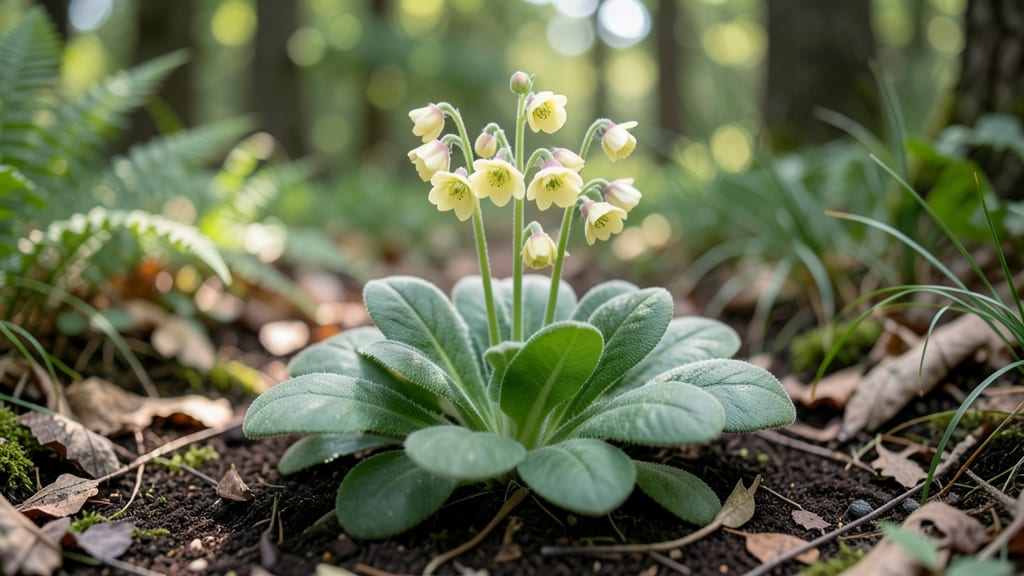
Growing primrose family plants means year-round color without the fuss of high-maintenance bloomers. 🌸 These shade-loving stars—primroses, cyclamen, and polyanthus—thrive where others struggle, delivering delicate blooms from early spring through winter’s end with just the right balance of moisture and light.
The secret to their effortless beauty lies in their adaptability: they tolerate partial shade, moist (but not soggy) soil, and even urban containers. My woodland garden’s understory now bursts with cyclamen in winter, followed by primroses in spring—all while demanding less attention than my sun-loving annuals.
You’ll end up with a garden that stays lush and interesting through every season, using plants that multiply easily through division or seed. The fragrance alone—especially from evening primroses—makes the care worthwhile, and their varied heights create natural layers in borders or woodland settings.
Whether you’re filling a shady corner or brightening a patio, these plants deliver foolproof charm with minimal effort. Let’s get you growing!
📚 In This Guide
- What you need
- Instructions
- Tips and common mistakes
- Wrapping up and next steps
What you need
- ● Primrose family plants: Choose from Primula, Cyclamen, or Lysimachia (1-3 plants per pot or garden bed). Opt for nursery-grown seedlings or seeds (if starting from scratch).
- ● Well-draining potting mix: 2-3 gallons of peat-free, organic mix (e.g., 50% coco coir, 30% perlite, 20% compost). Avoid heavy clay soil.
- ○ Containers (optional but helpful): 6-8" pots with drainage holes (1 per plant) or a raised garden bed (12" deep).
- ● Slow-release fertilizer: 1 tbsp of balanced 10-10-10 or organic options like fish emulsion (mix into soil at planting).
- ● Gloves: A pair of gardening gloves (nitrile-coated for durability).
- ● Trowel or small shovel: For digging and transplanting (6" blade size).
- ● Watering can or hose with nozzle: With a gentle spray setting to avoid disturbing soil.
- ○ Mulch (optional): 1-2" layer of pine bark or straw to retain moisture (apply after planting).
- ● Sunlight access: A partially shaded spot (4-6 hours of dappled light daily) or a north-facing window indoors.
- ● Patience: Primroses thrive with minimal fuss—just consistency in watering!
Instructions for cultivating primrose family plants
Primroses thrive with the right balance of light, soil, and patience—here's how to coax year-round blooms from these resilient plants.
🌱 Step 1: Select and Prepare the Right Location
Primroses prefer partial shade to full shade in warmer climates, with morning sun and afternoon shade ideal for most varieties. I always test the spot by observing how long it stays moist—these plants despise drying out. Choose an area where soil stays consistently damp but never soggy.
If planting in containers, ensure pots have drainage holes and use a well-draining potting mix. I like to add perlite or sand to improve aeration, especially for varieties like cyclamen or polyanthus that hate compacted roots. The key is mimicking their natural woodland understory habitat where moisture lingers but roots stay aerated.
💧 Step 2: Plant at the Correct Depth and Spacing
Dig a hole twice as wide as the root ball but only as deep as the container's base. Primroses resent being buried too deep, which can cause rot. Gently remove the plant from its container, loosen any circling roots with your fingers, and place it so the top of the root ball sits just below soil level. This ensures proper drainage while keeping the crown stable.
Space plants 8-12 inches apart for bushier growth and better air circulation. Crowding leads to mildew, especially in humid conditions. I always water deeply right after planting to settle the soil around roots and eliminate air pockets. The soil should feel evenly moist when pressed—neither dry nor waterlogged.
☀️ Step 3: Maintain Consistent Moisture Without Overwatering
Primroses need consistent moisture but will sulk in soggy conditions. Water when the top inch of soil feels dry to the touch, which for me usually means every 3-4 days in summer and weekly in winter. I use a soaker hose for in-ground plants to deliver water slowly at the base without wetting leaves, which prevents fungal issues.
Mulch with 2-3 inches of organic matter like shredded bark or compost to retain moisture and regulate soil temperature. Avoid thick mulch layers—primroses dislike suffocating roots. The mulch should look evenly settled after watering, with no gaps exposing soil to rapid drying.
✂️ Step 4: Deadhead and Fertilize for Continuous Blooms
Remove spent blooms by pinching them off just above the next set of leaves. This encourages continuous flowering by redirecting the plant's energy. I do this every 2-3 weeks during the blooming season, which for primroses can stretch from early spring through fall with proper care. Watch for new buds forming at the base—this tells me the plant is happy and ready for more.
Feed lightly with a balanced, water-soluble fertilizer (10-10-10) diluted to half strength every 4-6 weeks during the growing season. Too much fertilizer causes weak stems and fewer blooms. I always water thoroughly before applying fertilizer to prevent root burn. The leaves should stay vibrant green without yellowing, which signals proper feeding.
⏰ Step 5: Protect and Prepare for Seasonal Changes
Primroses are surprisingly hardy but need winter protection in colder zones. I apply a 3-inch layer of mulch in late fall to insulate roots, then remove it in early spring to prevent overheating. In containers, move pots to a sheltered location or wrap them in burlap if temperatures drop below 20°F. The goal is to keep roots from freezing while allowing stems to enjoy winter dormancy.
Spring is the time to divide overcrowded clumps every 2-3 years. Lift the plant, separate sections with a clean knife, and replant immediately. Dividing in early spring gives roots time to establish before summer heat. You'll know it's time when blooms become sparse and leaves look crowded—this is your plant's way of saying "I need space!"
Tips & tricks for perfect primrose family plant care
Here's what nobody tells you about keeping these delicate beauties thriving year after year.
Location Intelligence: When testing soil moisture in Step 1, press your finger about an inch deep—this is where primrose roots actively search for water. I've learned the hard way that surface moisture readings can be misleading; these plants need consistent dampness at root level. For containers, use a moisture meter to avoid guesswork, especially in hot climates where evaporation happens fast.
Planting Precision: In Step 2, that "just below soil level" positioning is critical for drainage. I use a small ruler to verify the crown sits exactly at the soil line—any higher risks drying, any lower risks rot. For heavy clay soils, I add a thin layer of coarse sand at the bottom of the hole to prevent waterlogging, which primroses absolutely hate.
Moisture Mastery: The "top inch dry" test in Step 3 gets tricky with mulch. I always check soil moisture beneath the mulch layer—not on top—because the mulch itself can stay damp while the roots below dry out. For container plants, I weigh the pots: a noticeable weight loss between waterings means it's time to hydrate.
Seasonal Strategy: That 20°F threshold in Step 5 isn't just about freezing—it's about preventing cellular damage. I've seen primroses survive 15°F with proper protection, but the damage often shows up later as weak stems or sparse blooms. For container plants, I add a layer of bubble wrap around the pot before wrapping in burlap for extra insulation.
Pro Tips for Primrose Family Plant
- Here's what nobody tells you about keeping these delicate beauties thriving year after year.
- Location Intelligence: When testing soil moisture in Step 1, press your finger about an inch deep—this is where primrose roots actively search for water.
- Planting Precision: In Step 2, that "just below soil level" positioning is critical for drainage.
Frequently asked questions
Got questions about primrose family plants?
Whether you're a beginner or a seasoned gardener, these answers will help you grow stunning, low-maintenance blooms all year long!
1. What’s the easiest primrose family plant for beginners?
Start with Primula vulgaris (common primrose) or Primula obconica (Chinese primrose). Both are hardy, thrive in partial shade, and bloom prolifically with minimal fuss. Just keep the soil moist but well-drained—no fussier than watering your houseplants!
2. When is the best time to plant primrose family members?
For spring bloomers (like polyanthus primroses), plant in early fall so roots establish before winter. For fall/winter bloomers (e.g., Primula denticulata), plant in late summer. Always avoid extreme heat—think "cool shoulders" for these plants!
3. How do I keep primroses blooming all year?
Deadhead spent blooms regularly to encourage new flowers. Use a balanced fertilizer (10-10-10) every 4-6 weeks during growing season. Mulch with compost to retain moisture, and never let them dry out. With these tweaks, you’ll enjoy nonstop color!
4. Why are my primrose leaves turning yellow?
Yellow leaves usually mean overwatering or poor drainage. Ensure pots have drainage holes, and let the top inch of soil dry between waterings. If leaves also feel mushy, reduce water and improve airflow. Fungal issues (like powdery mildew) can also cause yellowing—spray with neem oil if needed.
5. Can I grow primroses in containers, and what’s the best setup?
Use well-draining potting mix with added perlite or sand. Choose containers with holes and saucers to prevent root rot. For longer blooms, opt for 12+ inch pots (they hold moisture better). Place in partial shade (morning sun is ideal). Rotate pots occasionally for even growth!
6. Are primrose family plants toxic to pets?
Most primroses are non-toxic to dogs and cats, but Primula obconica can cause skin irritation or mouth ulcers if ingested. If you have pets, stick to Primula vulgaris or Primula denticulata for worry-free gardening. Always monitor curious pets!
Wrapping up and next steps
Discovering the primrose family plants opens up a world of vibrant, low-maintenance blooms that brighten any space with minimal effort. Whether you’re drawn to Primula’s delicate charms or Cyclamen’s striking foliage, these plants prove that beauty thrives even with a busy lifestyle.
Their resilience and adaptability make them perfect for gardeners of all levels—so why wait?
Ready to transform your garden or windowsill? Start small: Pick one primrose variety, gather your supplies, and dive in! Soon, you’ll be rewarded with a burst of color that feels like a well-deserved hug from nature. Happy planting! 🌸