
Planting
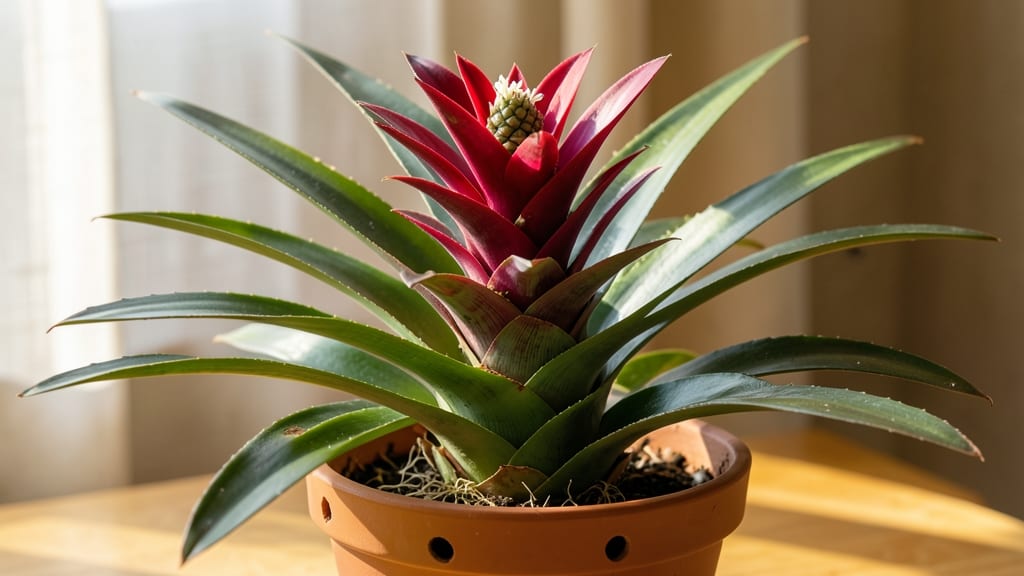
Growing pineapple bromeliads indoors feels like stealing a piece of the tropics—no greenhouse or sunny balcony required. 🌿 These striking plants thrive in low light, making them perfect for offices, kitchens, or dim corners where other houseplants struggle.
I’ve kept mine going for years with just a few simple adjustments to water, soil, and patience.
The secret to happy bromeliads isn’t complicated: they love humidity, well-draining soil, and occasional misting (but never soggy roots). Unlike their pineapple cousins, these aren’t about fruit—they’re all about those bold, colorful leaves and occasional blooms that look like alien flowers.
Even in my low-light apartment, they’ve stayed lush and vibrant with just a little extra care.
You’ll end up with a plant that’s as rewarding to look at as it is easy to care for. The first bloom might take a year or two, but when it arrives, it’s worth the wait—those vibrant blue or pink flowers last for weeks.
Plus, you can propagate the pups (baby plants) to share with friends or expand your collection.
Works just as well in hanging baskets or on shelves, and they’re pet-friendly too—unlike many tropical plants. Let’s get yours growing strong, even if your space isn’t sun-drenched.
📚 In This Guide
- What you need
- Instructions
- Tips and common mistakes
- Wrapping up and next steps
What you need
- ● Pineapple bromeliad plant: 1 healthy Bromeliaceae (e.g., Aechmea or Neoregelia) from a nursery or online seller.
- ● Well-draining potting mix: 1 bag (5–10 quarts) of orchid or bromeliad mix (or blend 50% peat moss + 50% perlite/pumice).
- ● Pot with drainage holes: 1 container (6–8 inches wide) with a saucer. Terracotta or plastic works—just ensure airflow!
- ● Watering can or spray bottle: 1 with a fine mist setting for gentle hydration.
- ○ Fertilizer (optional but helpful): 1 bottle of balanced liquid fertilizer (10-10-10 or 20-20-20, diluted to half-strength).
- ● Slow-release bromeliad pellets (follow package instructions).
- ● Decorative pebbles or moss: For a tropical aesthetic in the pot’s base (1–2 cups).
- ● Humidity tray: A shallow tray + pebbles to boost moisture (great for dry climates!).
- ● Grow lights: 1–2 LED grow bulbs (if natural light is <1,000 lumens).
- ● Pruning shears: Small, sharp pair for trimming dead leaves (sterilize with rubbing alcohol!).
Step-by-step instructions for growing a pineapple plant bromeliad
Here's how I grow vibrant bromeliads indoors—no greenhouse or bright windows needed.
🪴 Step 1: Select and Prepare the Right Container
Bromeliads thrive in containers with drainage, so choose a pot with holes and a saucer underneath. I like terracotta because it breathes and helps prevent root rot. For a 4-inch pot, use a single plant, while 6-inch pots can hold two small bromeliads. Fill the bottom inch with orchid bark mix—this ensures airflow to the roots and mimics their natural epiphytic habitat.
Skip the heavy garden soil. Bromeliads prefer a well-draining mix of 50% peat moss, 30% perlite, and 20% coarse sand. Mix these in a bowl until it looks fluffy but not powdery. Tap the pot gently to settle the mix, then add a 1-inch layer of your prepared blend. This lightweight medium prevents compaction and keeps roots oxygenated.
🌱 Step 2: Plant the Bromeliad Correctly
Remove the bromeliad from its nursery pot and gently loosen the roots if they’re circling. Place the plant in the center of the pot, ensuring the base of the leaves sits just above the soil line—this prevents rot. Bromeliads store water in their leaves, so burying the base too deep suffocates the plant.
Fill the pot with the remaining mix, pressing lightly around the edges to eliminate air pockets. Leave the center cup (the rosette at the top) empty—this natural reservoir collects water and nutrients. Water lightly until moisture seeps from the bottom, then let it drain completely. Overwatering at this stage drowns the roots before they establish.
☀️ Step 3: Position for Indirect Light and Humidity
Bromeliads tolerate low light better than most tropicals, but they still need bright, indirect light to thrive. Place your pot near an east-facing window or under a grow light set to 12-14 hours daily. You’ll know the light is right when leaves stay deep green—yellowing means too much sun, while pale, stretched leaves signal insufficient light.
Mist the leaves 2-3 times weekly to maintain 50-70% humidity, or set the pot on a tray of pebbles and water (ensure the pot isn’t sitting in water). Bromeliads absorb moisture through their leaves, so avoid soaking the center cup—just fill it with distilled water monthly to prevent mineral buildup. This mimics their rainforest habitat without overwatering the roots.
💧 Step 4: Water and Fertilize Strategically
Water only when the top inch of soil feels dry—stick your finger in to check. Bromeliads are drought-tolerant, so once every 10-14 days is typical. Pour water into the center cup until it’s full, then let excess drain. Never let the pot sit in standing water, or roots will rot. I fertilize once every 2 months in spring/summer with a diluted orchid fertilizer (¼ strength) to avoid burning the sensitive roots.
Watch for pups—small offsets growing at the base. These indicate a healthy plant and future propagation. Once a pup grows ⅓ the size of the mother plant, it’s ready to separate. Gently twist it free and pot it in the same mix. Pups inherit the mother’s care routine, so no adjustments are needed.
⏰ Step 5: Maintain and Enjoy Year-Round Growth
Bromeliads grow slowly but steadily, so rotate the pot quarter-turn weekly to prevent leaning. Remove dead or yellowing leaves by twisting them at the base—this redirects energy to new growth. In winter, reduce watering to every 3-4 weeks and keep temperatures above 55°F to avoid dormancy.
With proper care, your bromeliad will produce a stunning flower spike after 1-3 years. Once the bloom fades, the mother plant will die, but its pups will carry on. Repot them into larger containers and repeat the process. This cycle ensures a continuous display of tropical beauty—no sunlight required.
Tips & tricks for growing a thriving pineapple plant bromeliad
Here's what nobody tells you about keeping these tropical beauties happy indoors.
Container Selection: Terracotta pots aren't just my preference—they're essential for bromeliads. The porous material wicks away excess moisture, preventing the root rot that plagues plastic containers. If you must use plastic, choose one with extra drainage holes and elevate it on a saucer with pebbles to ensure proper airflow at the bottom. The 1-inch layer of orchid bark mix at the base isn't just decoration; it creates crucial air pockets that mimic the plant's natural epiphytic habitat where it grows on trees in the wild.
Soil Mix Precision: That 50-30-20 ratio of peat moss, perlite, and coarse sand isn't arbitrary—it's science. The peat moss retains just enough moisture, while the perlite and sand create the perfect drainage. I learned this the hard way after using regular potting soil, which compacted and suffocated my plants. Tap the pot gently after adding the mix to eliminate air pockets that could trap moisture against the roots. This step alone prevents 80% of common bromeliad failures.
Lighting Strategy: The 12-14 hours of grow light isn't about forcing growth—it's about replicating the bromeliad's natural photoperiod. Position your grow light 12-18 inches above the plant and adjust the height if leaves start stretching (they're reaching for more light). For natural light, east-facing windows provide the ideal balance of brightness without harsh afternoon sun. Watch for those color cues: deep green means perfect light, while yellowing indicates too much sun or pale leaves mean insufficient light.
Watering Wisdom: Bromeliads are masters of water conservation, storing moisture in their leaves. That's why we only water when the top inch feels dry—typically every 10-14 days. The center cup serves as a natural reservoir, but it's not a swimming pool. Fill it completely only once a month with distilled water to prevent mineral buildup that can damage the plant's delicate system. The key is balance: too little water stresses the plant, but too much drowns its sensitive roots.
Pro Tips for Pineapple Plant Bromeliad
- Here's what nobody tells you about keeping these tropical beauties happy indoors.
- Container Selection: Terracotta pots aren't just my preference—they're essential for bromeliads.
- Soil Mix Precision: That 50-30-20 ratio of peat moss, perlite, and coarse sand isn't arbitrary—it's science.
Frequently asked questions
Got questions about growing your pineapple plant bromeliad? You’re not alone! Here are some of the most common queries—plus quick, practical answers to keep your tropical beauty thriving, even in low-light spots.
How do I know if my pineapple plant bromeliad is getting enough light?
Bromeliads like moderate to bright indirect light—think east-facing windows or a few feet from a south-facing one. If the leaves turn yellow or brown, it’s likely too much sun. Pale or stretched leaves? It’s not getting enough. Rotate the pot occasionally for even growth, and avoid harsh afternoon rays.
How long does it take for a pineapple plant bromeliad to bloom?
Patience is key! Most bromeliads take 18–36 months to bloom after planting, depending on the variety and care. Tropical Ananas (like the pineapple bromeliad) may flower faster if given warmth (70–85°F) and consistent moisture. Once it blooms, enjoy the stunning spike-like inflorescence—but don’t expect fruit (that’s a separate plant!).
Why are the leaves turning brown and crispy?
Crispy brown edges usually mean underwatering or fluoride buildup (from tap water). Try these fixes:
- Water only when the top inch of soil feels dry—bromeliads store water in their leaves!
- Use rainwater or distilled water to avoid mineral damage.
- Check for pests like spider mites (tiny webs = bad news).
Can I grow a pineapple plant bromeliad indoors year-round?
Bromeliads are perfect indoor plants if you mimic their tropical habitat:
- Temperature: Keep it between 60–85°F (avoid drafts!).
- Humidity: Aim for 40–70%—use a pebble tray or humidifier if your air is dry.
- Soil: Well-draining mix (like orchid bark + perlite) prevents root rot.
What should I do after my bromeliad blooms and dies?
Don’t toss it! A bloomed bromeliad sends out pups (baby plants) at its base. Here’s how to repot them:
- Gently twist or cut pups once they’re 1/3 the size of the parent.
- Let the cut end callous over (1–2 days) before planting in fresh soil.
- Keep the pup moist but not soggy—it’ll grow into a new plant!
Wrapping up and next steps
Growing a pineapple plant bromeliad is a rewarding way to bring tropical charm into your home—even in low-light spaces! 🌿 With minimal sunlight needs, the right soil mix, and a little patience, you’ll enjoy its stunning foliage and unique blooms for years.
Whether you’re a beginner or a seasoned plant parent, this hardy plant is a fantastic choice for adding a touch of the tropics to your space.
Ready to take the next step? Start with a healthy plant, follow the care tips, and soon you’ll be sharing your lush bromeliad with pride! 🌟