
Planting
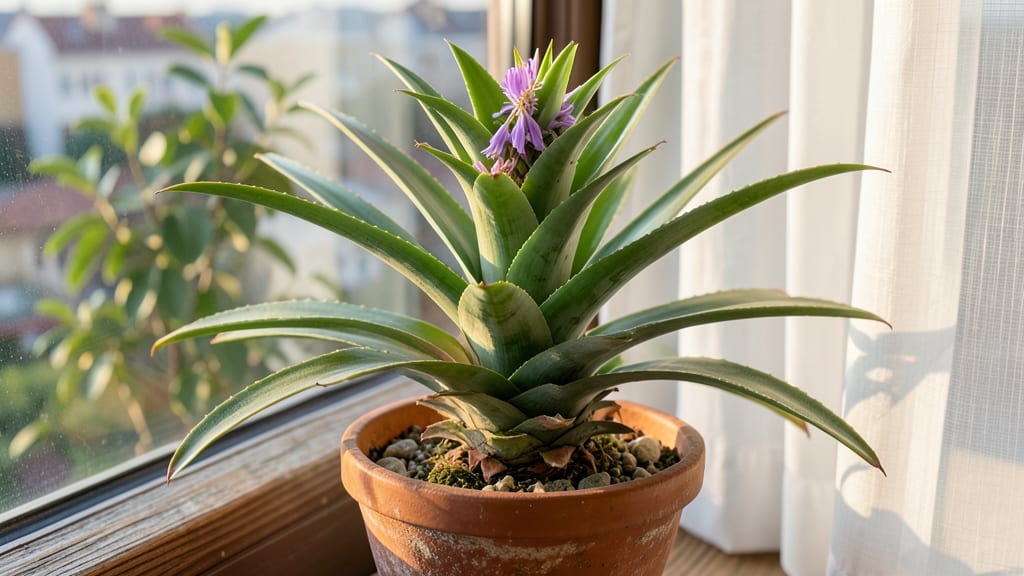
The pineapple plant temperature range for optimal growth spans 60°F to 90°F (15°C–32°C), with peak performance between 70°F–85°F (21°C–29°C). Cold sensitivity causes irreversible damage below 50°F (10°C), and frost or prolonged exposure under 40°F (4°C) will kill the plant.
The right temperature isn't just about keeping your pineapple plant alive—it's about maximizing its fruit production. 🌡️ When temperatures dip below 60°F (15°C), the plant's metabolic processes slow dramatically, leading to stunted growth and smaller, less sweet fruit.
Conversely, while pineapples can handle heat up to 90°F (32°C), prolonged exposure above 85°F (29°C) can stress the plant, causing leaf burn or reduced flowering. For indoor growers, maintaining a consistent 75°F (24°C) environment with proper humidity (50–70%) mimics ideal tropical conditions.
What's fascinating is how temperature affects fruit development. Pineapples grown in cooler but stable conditions develop more complex flavors, while those in extreme heat may produce fruit faster but with milder taste.
If you're in a cooler climate, consider growing pineapples in containers and bringing them indoors during winter months to protect them from temperature swings. The key is consistency—pineapples hate sudden changes almost as much as they hate cold!
💡 In This Article
- How Temperature Affects Pineapple Plant Growth and Fruit Development
- Best Practices for Growing Pineapples in Different Climates
How temperature affects pineapple plant growth and fruit development
Pineapple plants are tropical powerhouses that rely on specific temperature ranges to activate their metabolic engines. At the cellular level, their photosynthesis and enzyme activity peak between 70°F–85°F (21°C–29°C), where chlorophyll production and sugar synthesis reach optimal efficiency.
When temperatures drop below 60°F (15°C), these processes slow dramatically—similar to how a car engine struggles in cold weather. The plant's growth hormones, like auxins, become less effective, leading to slower leaf expansion and weaker root development. 🔥
Heat stress above 90°F (32°C) triggers another set of problems: the plant's stomata (pores) close to conserve water, reducing carbon dioxide intake and photosynthesis. This causes leaf burn—visible as brown, crispy edges—and can even halt fruit development.
The real magic happens in that 70°F–85°F (21°C–29°C) sweet spot, where enzymes like invertase (which converts sucrose to fructose) work at peak efficiency, creating the pineapple's signature sweetness. Studies show fruit grown in this range develops 20–30% more sugar content than those stressed by extreme heat or cold.
Cold sensitivity is particularly brutal for pineapples. Below 50°F (10°C), cellular membranes start breaking down, and water uptake becomes erratic. The plant's vascular system can't transport nutrients efficiently, leading to yellowing leaves and weak stems.
Frost is catastrophic—ice crystals form in the plant's tissues, rupturing cells and causing irreversible damage. Even brief exposure to 40°F (4°C) can trigger dormancy-like states, where the plant conserves energy by shutting down non-essential functions. 🌡️
Temperature also influences flowering, a critical stage for fruit production. Pineapples typically flower when they sense a combination of maturity and environmental cues, including temperature shifts. In cooler climates, growers often use ethylene gas or temperature fluctuations to trigger flowering, mimicking tropical seasonal changes.
However, if temperatures are too unstable, the plant may fail to produce the crown (the flowering head), resulting in no fruit at all. This is why commercial growers in Hawaii and Costa Rica maintain precise temperature controls in their greenhouses.
For home growers, understanding these temperature effects means paying attention to microclimates. A sunny windowsill might hit 85°F (29°C) during the day but drop to 60°F (15°C) at night—creating stress.
Using grow lights with heat regulation or placing the plant near a space heater (set to 75°F/24°C) during cooler months can make all the difference. The goal is consistency, as pineapples thrive on predictability, much like a well-tuned tropical ecosystem. ✨
Here's a quick breakdown of what happens at different temperature extremes:
- Below 50°F (10°C): Cellular damage begins; growth halts, leaves yellow
- 50°F–60°F (10°C–15°C): Slow growth, weak roots, reduced flowering
- 60°F–90°F (15°C–32°C): Optimal range; peak photosynthesis and sugar production
- Above 90°F (32°C): Leaf burn, water stress, potential fruit abortion
- Frost or below 40°F (4°C): Cell rupture; plant death within hours