
Planting
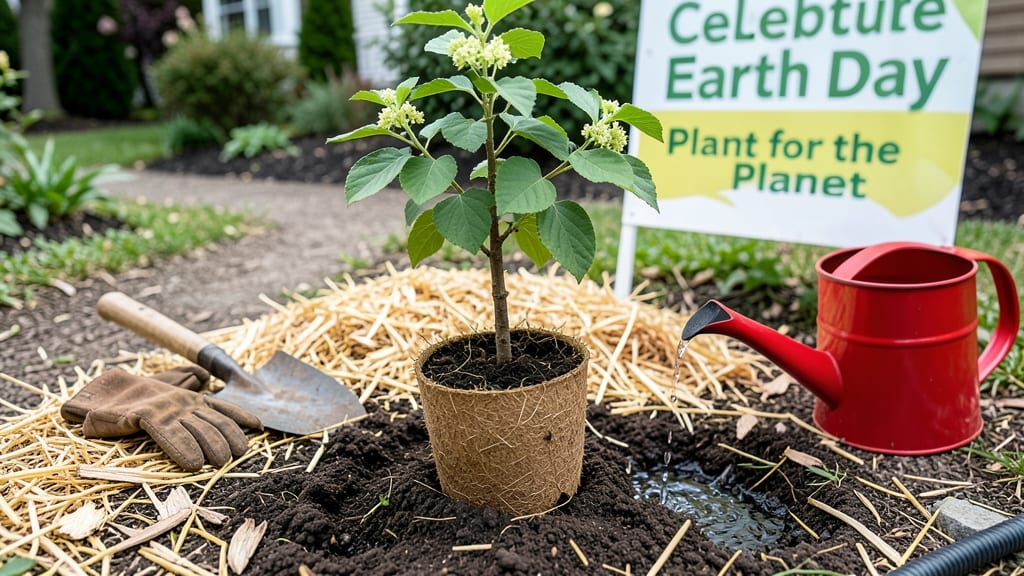
Planting a tree on Earth Day isn’t just about digging a hole—it’s a 30-minute act that gives back to the planet for decades. 🌱 I’ve planted trees for Earth Day for years, and every time, I’m reminded how one person’s effort can ripple through time.
This year, let’s make it count by choosing the right tree, prepping the soil, and giving it the best start possible. The key is matching your tree to your climate and space.
Fast-growing native species like red maple or eastern white pine thrive in most regions, while drought-resistant options like oak or hickory need less water once established. Dig a hole twice as wide as the root ball but no deeper—this prevents root rot and encourages strong growth from the start.
After planting, water deeply to settle the soil, then mulch to retain moisture and block weeds. Within a year, you’ll see new growth, and over time, that single tree will clean the air, provide wildlife habitat, and even boost your property value.
The best part? You’re not just planting a tree—you’re planting hope for future generations. This works for backyards, parks, or even community projects. Grab a shovel, invite friends, and turn Earth Day into a legacy. Let’s get growing!
📚 In This Guide
- What you need
- Instructions
- Tips and common mistakes
- Wrapping up and next steps
What you need
- ● Tree sapling: Choose a native, fast-growing species (e.g., red maple, oak, or fruit-bearing trees). Quantity: 1 (or more if planting multiple!)
- ● Shovel or trowel: A sturdy digging tool (18–24" deep for most saplings). Tip: Rent one if you don’t own!
- ● Watering can or hose: With a gentle spray nozzle for delicate roots.
- ● Mulch: Shredded bark, wood chips, or straw (5–10 gallons). Pro tip: Keep mulch 3–4 inches away from the trunk!
- ● Garden gloves: To protect your hands from dirt and thorns.
- ○ Stakes & twine (optional): For young, flexible trees (2 stakes, 10–15 ft of twine).
- ● Soil amendment: Compost or peat moss (1–2 bags) to enrich the planting hole.
- ● Tree guard: Plastic or metal collar to protect the trunk from critters.
- ● Planting instructions: Printed guide or app (e.g., TreeFolks or National Forest Service resources).
- ● Camera or phone: To capture your tree’s growth over time!
- ● A designated planting spot with 6+ hours of sunlight (check your tree’s needs!).
- ● Permission to dig (if planting on public land or a neighbor’s property).
- ● Weather forecast: No rain for 24–48 hours after planting.
Step-by-step instructions for planting a tree on Earth Day
Here's the simple, satisfying way to plant a tree that will thrive for years.
🌱 Step 1: Choose the Right Tree and Location
Pick a tree species suited to your climate and space—native varieties like oak, maple, or fruit trees work beautifully. Look for a spot with 6+ hours of sunlight daily and room for the tree to grow to its mature size (check the tag for spacing needs). Avoid low areas where water pools, as roots hate soggy soil.
Dig a hole twice as wide as the root ball but only as deep as the container's height. Loosen the sides of the hole with your shovel—this helps roots spread easily. I like to step back and visualize the tree's future shape to ensure it won't outgrow nearby structures.
🪴 Step 2: Prepare the Tree and Plant
Remove the tree from its container and gently loosen the roots if they're circling tightly. Soak the root ball in water for 10-15 minutes before planting to hydrate the roots. This step is crucial—dry roots struggle to establish in new soil.
Place the tree in the hole so the top of the root ball sits 1-2 inches above ground level. Fill the hole halfway with soil, then water deeply to settle it. This prevents air pockets that can suffocate roots. Tap the soil gently with your foot to firm it around the base.
☀️ Step 3: Mulch and Water for Long-Term Success
Spread 2-3 inches of mulch in a donut shape around the tree, keeping it 6 inches away from the trunk. Mulch retains moisture and regulates soil temperature, but too close to the trunk can cause rot. Use organic mulch like wood chips or shredded bark.
Water the tree deeply right after planting—5 gallons for small trees, 10+ gallons for larger ones. Check the soil weekly for the first month; it should stay moist but not waterlogged. You'll know you're doing it right when water drains through the soil within 15-30 minutes.
⏰ Step 4: Stake and Protect (If Needed)
Only stake the tree if it's top-heavy or in a windy area. Use two stakes placed diagonally from the tree, tied loosely with soft material like an old T-shirt. Too-tight ties can strangle the trunk as it grows. Remove stakes after 6-12 months to encourage natural strength.
Add a small flag or marker near the tree to remind you of its location. This helps avoid accidentally damaging roots when mowing or weeding. A little care now means a healthy tree for decades—Earth Day's best legacy.
Tips & tricks for perfect tree planting on Earth Day
Here's what I learned after planting dozens of trees—these little details make all the difference between a struggling sapling and a thriving legacy.
Root Care: When you're loosening those circling roots in Step 2, be gentle—think of them like delicate spaghetti. If roots are tightly bound, use your fingers to carefully separate them. After planting, the 10-15 minute soak is your secret weapon against transplant shock. I've seen trees double their survival rate just from this simple step. The roots need to drink up that water before they hit the new soil.
Visualizing Growth: Before you dig that hole in Step 1, step back and imagine your tree at maturity. Check the tag for mature size—some oaks spread 50 feet wide! Mark the future canopy edge with sticks or spray paint. This prevents planting too close to sidewalks, driveways, or other trees. I once planted a maple 3 feet from my foundation and spent years dealing with root damage to the house.
Mulch Placement: That 2-3 inch mulch ring in Step 3 isn't just decoration—it's a moisture shield. Keep it 6 inches away from the trunk to prevent rot. I like to use wood chips because they break down slowly, feeding the soil for years. Pro tip: Refresh the mulch annually to maintain that protective layer. The first year is critical for root establishment, and proper mulching makes all the difference.
Watering Wisdom: After planting, those 5-10 gallons should soak the soil to a depth of 12-18 inches. Check the 15-30 minute drainage rule by sticking your finger in the soil—it should feel damp but not soggy. Overwatering is just as bad as underwatering. I keep a rain gauge near my newly planted trees to track moisture levels, especially during dry spells.
Pro Tips for Plant A Tree On Earth Day
- Here's what I learned after planting dozens of trees—these little details make all the difference between a struggling sapling and a thriving legacy.
- Root Care: When you're loosening those circling roots in Step 2, be gentle—think of them like delicate spaghetti.
- Visualizing Growth: Before you dig that hole in Step 1, step back and imagine your tree at maturity.
Frequently asked questions
Got questions about planting a tree on Earth Day?
You’re not alone! Here are answers to the most common ones to help you get started with confidence.
What’s the best type of tree to plant for Earth Day?
Choose native species—they thrive in your climate, support local wildlife, and require less water. Fast-growing options like red maple or dogwood are great for quick impact. Avoid invasive species (like Bradford pear) that can harm ecosystems.
Can I plant a tree on Earth Day if I live in a cold climate?
Wait until after the last frost (check your USDA hardiness zone) or plant in early spring. For now, prep the soil, order a bare-root sapling, or join a local Earth Day planting event. Evergreens or birch trees are cold-hardy picks!
How much does it cost to plant a tree on Earth Day?
Costs vary: saplings run $5–$20, while larger trees or professional planting can be $50+. Many groups offer free tree giveaways—check with local nurseries, conservation orgs, or Earth Day events. Even a $10 donation to a reforestation project counts!
What if my yard isn’t big enough for a tree?
No yard? No problem! Plant in a large container (5+ gallons) on a balcony or patio, or adopt a tree via programs like American Forests’ Global ReLeaf. Community gardens or parks often welcome volunteers too—just ask!
My tree isn’t growing—what went wrong?
Common fixes:
- Watering: Deep water 1–2x/week (not daily!). Mulch 2–3 inches around the base (keep mulch away from the trunk).
- Sunlight: Most trees need 6+ hours of sun. If yours is in shade, pick a shade-tolerant species next time.
- Soil: Amend clay or sandy soil with compost. Test pH if growth stalls (aim for 6.0–7.0).
Still struggling? Snap a photo and ask local extension offices—they’re free resources!
Wrapping up and next steps
Planting a tree on Earth Day isn’t just about the 30 minutes you spend—it’s a ripple effect for generations. Every seedling you nurture today becomes a carbon-capturing champion, a habitat for wildlife, and a legacy of hope for a healthier planet. 🌱
Ready to take action? Start small: research native species in your area, gather supplies, and mark your calendar for Earth Day (or any day!). Whether you’re a beginner or a green thumb, your effort makes a difference—so dig in and grow that impact! 💚