
Planting
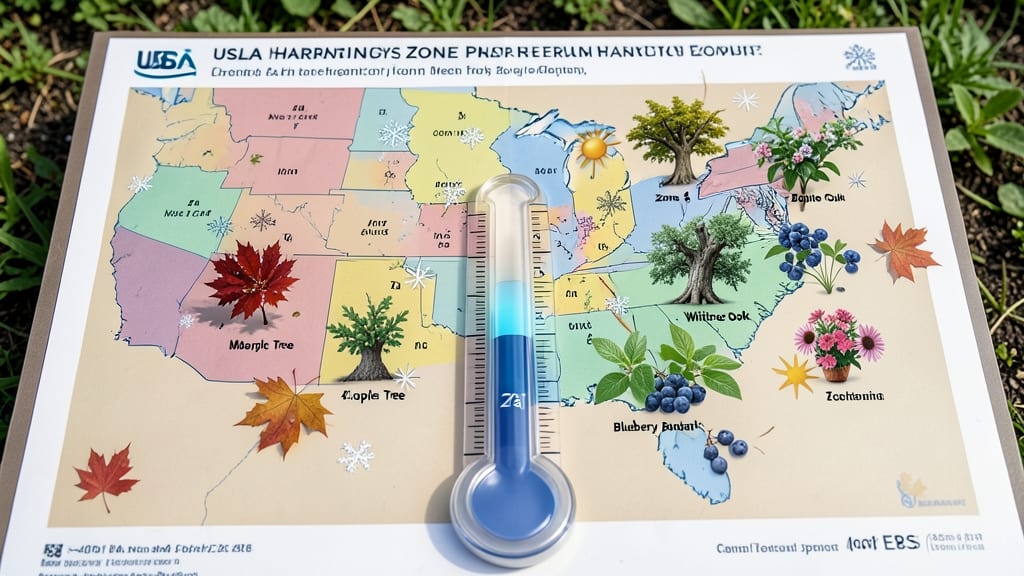
New England's hardiness zones range from 3 in northern Maine to 7 near Boston, with sub-zones like 3a/3b and 6b/7a creating distinct frost patterns. Cool-season crops like lettuce thrive in March-April, while warm-season plants such as tomatoes wait until late May or June after frost danger passes.
Understanding New England's hardiness zones is key because the region's varied geography—from coastal Maine to inland Vermont—creates dramatic temperature swings. 🌲 For example, coastal areas like Portland, Maine, often enjoy milder winters in Zone 5b, while the White Mountains in New Hampshire can drop into Zone 3a. These microclimates mean your planting schedule should account for local frost dates, not just the general zone number.
What many gardeners overlook is how elevation affects planting times. Areas above 1,000 feet in Vermont or New Hampshire may experience 2-3 weeks later frost dates than valley regions.
I always check my local USDA frost map before ordering seeds—it's saved me from planting too early and losing young seedlings to late frosts.
💡 In This Article
- USDA Hardiness Zones in New England: Exact Boundaries and Microclimates
- New England Planting Calendar by Zone: When to Sow Seeds and Transplant
USDA hardiness zones in New England: exact boundaries and microclimates
New England's hardiness zone range—from Zone 3 in northern Maine to Zone 7 near Boston—reflects a dramatic climate gradient shaped by geography.
The Appalachian Mountains create a natural barrier that funnels cold Arctic air into northern New Hampshire and Maine, pushing those areas into the harshest zones (3a/3b), where winter lows can plummet to -35°F to -40°F.
In contrast, coastal cities like Portland or Boston benefit from the Gulf Stream's moderating influence, keeping temperatures 10-15°F warmer than inland areas just 50 miles away. 🌊
Elevation plays a critical role in creating microclimates. For example, Mount Washington (6,288 ft) in New Hampshire sits in Zone 3a, while the valley below in North Conway (1,500 ft) jumps to Zone 5a.
This 1,000-foot rule suggests that for every 1,000 feet gained in elevation, temperatures drop by about 3.5°F, shifting you into a colder zone.
Coastal areas also experience maritime influence, where ocean breezes delay frost formation—Portland's last spring frost averages April 20th, while inland Augusta, Maine (Zone 4b) sees frost until May 5th.
Urban heat islands further complicate zone mapping. Cities like Boston (Zone 6b/7a) can experience 5-7°F warmer winter temperatures than surrounding rural areas due to concrete and vehicle emissions. This urban-warming effect can push planting dates 1-2 weeks earlier in city gardens compared to nearby suburbs.
Meanwhile, lake-effect snow near Lake Champlain creates localized cold pockets where Zone 5a areas might see Zone 4b conditions during extreme winters. These variations mean gardeners should verify their exact sub-zone using the USDA Plant Hardiness Zone Map and adjust for local conditions.
Frost-free dates are the most practical indicator for planting. In Zone 3a (northern Maine), the average last frost occurs around May 25th, while Zone 7a (southern Connecticut) typically sees its last frost by April 15th. However, these dates can shift ±10 days based on year-to-year weather patterns.
For example, 2018's late spring delayed planting in Zone 5b areas until June 1st, compared to the usual May 15th target. Tracking local weather data helps gardeners time sensitive crops like tomatoes or peppers, which can't tolerate frost.
Consider these key factors when identifying your microclimate:
- Elevation: Check your home's elevation—every 1,000 feet up shifts you 1 zone colder
- Proximity to water: Coastal areas gain 1-2 weeks earlier planting than inland zones
- Urban vs. rural: City gardens may be 1 zone warmer than countryside
- Topography: Valleys collect cold air, while south-facing slopes warm faster
For precise planning, overlay your property on the USDA Interactive Zone Map and note nearby geographic features. A garden in Zone 5a near a lake might experience Zone 4b conditions during winter, while a south-facing hillside could mimic Zone 6a in summer.
Understanding these nuances ensures your planting schedule aligns with your actual growing conditions, not just the zone number. 🌿