
Planting
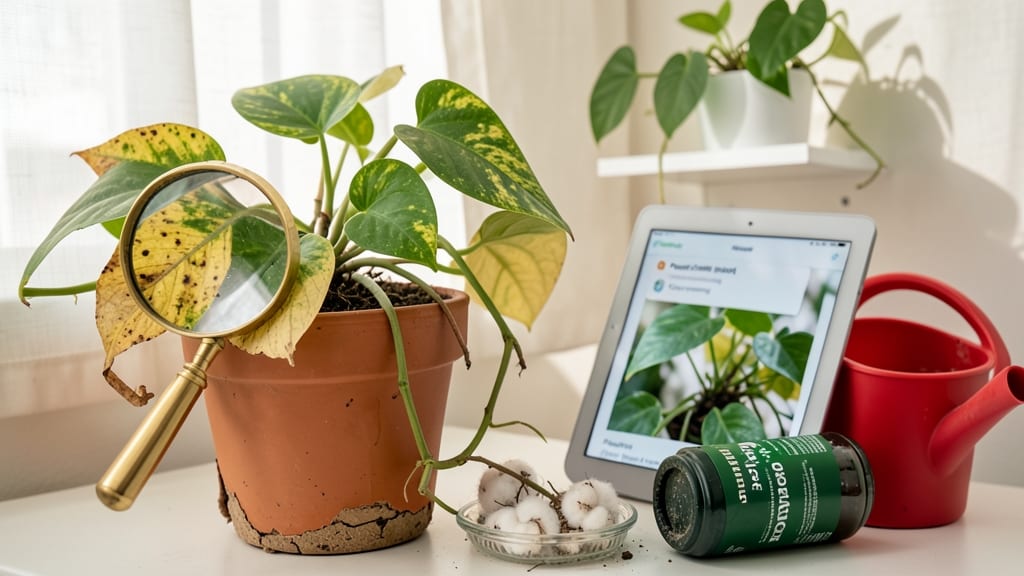
Your plant's yellow leaves and mysterious spots finally have a fast answer. 🌱 I've used plant diagnosis apps to save dozens of struggling plants—no guesswork, just science-backed solutions in seconds. The best apps turn your smartphone into a botanist's toolkit, cutting weeks off the trial-and-error process.
Start by downloading a trusted app like PlantNet or PictureThis—both let you snap photos of symptoms and get instant matches for diseases, pests, or nutrient deficiencies. My first diagnosis revealed my ferns had powdery mildew, not overwatering as I'd assumed.
The app even tells you what to spray or adjust, so you skip the gardening books and get straight to fixes.
You'll walk away knowing exactly what's wrong and how to treat it, with step-by-step care instructions tailored to your plant. No more wasting time on wrong fixes—just targeted solutions that actually work. The best part? These apps work for houseplants, veggie gardens, and everything in between.
Pro tip: Take clear photos in good light, and include both the problem area and a healthy leaf for comparison. Most apps give you a confidence rating, so you know if the diagnosis is solid or if you need a second opinion. Ready to save your plants in minutes?
📚 In This Guide
- What you need
- Instructions
- Tips and common mistakes
- Wrapping up and next steps
What you need
- ● Smartphone (iOS/Android) – Any modern device with a 12MP+ camera (for clear photos).
- ● 1-2 plant diagnosis apps (free or premium): blank">PlantNet (AI-powered ID)
- ● blank">PictureThis (disease/symptom analysis)
- ● blank">Google Lens (quick visual search)
- ● Stable Wi-Fi/4G connection – Apps need internet for real-time analysis.
- ○ Magnifying glass (optional but helpful) – For inspecting tiny spots or pests up close.
- ● Ruler or measuring tape – To track leaf size changes over time.
- ● Notebook + pen – Log symptoms, dates, and app suggestions for progress tracking.
- ○ Gloves (optional) – If handling toxic plants (e.g., Dieffenbachia or Philodendron).
- ● Grow lights or bright natural light – Improve photo quality for app accuracy.
- ● Hygrometer/thermometer – Check humidity/temperature if apps suggest environmental fixes.
- ● Plant care journal app (e.g., blank">Gardenate) – Sync with diagnosis apps for holistic tracking.
How to diagnose and fix common plant problems fast
When your plants start showing distress, quick action prevents permanent damage. Here’s how I troubleshoot the most common issues in minutes.
🌿 Step 1: Inspect Leaves for Yellowing Patterns
Start by examining the oldest leaves first—they’re the first to show nutrient deficiencies or overwatering. Yellowing along the leaf edges (with green veins) often signals underwatering or low humidity, while uniform yellowing (starting at the base) usually means overwatering or root rot. Check the soil: if it smells sour or feels soggy, you’re overwatering.
For yellowing between veins, think magnesium deficiency (common in houseplants like monstera). I’ve found that a weekly foliar spray with Epsom salt (1 tablespoon per gallon of water) restores color in about 10-14 days. If only the new leaves are yellow, your plant might need more nitrogen—switch to a balanced fertilizer.
💧 Step 2: Check for Spots and Identify the Cause
Brown or black spots with yellow halos are classic signs of fungal infection (like powdery mildew or leaf spot). Fungal issues thrive in high humidity and poor airflow, so isolate the plant immediately. Wipe leaves with a 70% isopropyl alcohol solution (1 part alcohol to 3 parts water) to remove spores, then increase airflow with a small fan on low.
If spots are oily or greasy, you’re dealing with pest damage (aphids, mites, or scale). Spray the undersides of leaves with neem oil (1 teaspoon per quart of water + a drop of dish soap) and repeat every 3-5 days until pests vanish. For crusty white spots, those are scale insects—scrub them off with a damp cloth first, then treat with neem oil.
✂️ Step 3: Diagnose Stunted Growth and Root Issues
If your plant’s new growth is tiny or nonexistent, the problem is usually root-bound or nutrient starvation. Gently remove the plant from its pot and check the roots: if they’re circling tightly or poking out the drainage holes, it’s time to repot. I use a 1-2 inch larger pot with fresh well-draining soil and trim any black, mushy roots (those are dead from overwatering).
For stems that feel soft or hollow, your plant may have bacterial soft rot—a fatal infection. Remove the plant immediately, disinfect your tools with rubbing alcohol, and sterilize the pot by soaking it in a 1:10 bleach-water solution for 10 minutes before reusing. If the stem is woody but growth is slow, the issue is likely light deprivation—move it to a brighter spot (but avoid direct sun if it’s a shade-loving plant).
☀️ Step 4: Adjust Light and Water Based on Symptoms
Leggy, pale stems with sparse leaves mean too little light. Most houseplants need 4-6 hours of indirect light daily—a south or east-facing window works best. If you’re using grow lights, position them 6-12 inches above the plant for 12-14 hours a day. For sunburnt leaves (brown patches on edges), your plant is getting too much direct sun—move it back 2-3 feet or use a sheer curtain.
For water-related stalls, the fix is simple: stick your finger in the soil. If the top 1-2 inches are dry, water deeply until it drains from the bottom. If the soil stays damp for days, reduce watering to every 10-14 days and ensure the pot has drainage holes. Overwatering is the #1 killer—always let the top inch dry out between waterings.
⏰ Step 5: Prevent Future Problems with Proactive Care
Once you’ve fixed the issue, rotate your plant weekly to ensure even growth (plants lean toward light sources). Dust leaves monthly with a damp cloth—blocked stomata prevent photosynthesis. For preventative fungal control, spray leaves with baking soda solution (1 teaspoon per quart of water) every 2 weeks during humid months.
Keep a plant journal to track symptoms, treatments, and outcomes. Note what worked (or didn’t) so you can act faster next time. Most problems are fixable within 2-4 weeks if caught early—don’t wait until it’s too late.
Tips & tricks for plant problem diagnosis
Real talk: I’ve nursed back plants that looked like they were on their last legs—here’s how to spot the subtle clues that save them.
Leaf Edge Clues: When inspecting leaves in Step 1, use a magnifying glass for the edges—crispy brown edges with green veins mean underwatering, while soft yellow edges suggest overwatering. I’ve caught early root rot by noticing how the soil felt: if it’s damp past the top inch, you’re overdoing it. The key is checking the soil’s moisture level before the leaves show distress.
Spot Identification Shortcut: For fungal spots in Step 2, hold the leaf up to a bright light—you’ll see spores as fuzzy white webs on the underside. I keep a spray bottle with 70% isopropyl alcohol (1:3 ratio) ready to wipe down leaves immediately when I spot these. Don’t skip this step—fungus spreads faster than you think, and once it’s on the stems, it’s often too late.
Root Inspection Hack: In Step 3, when repotting, run your finger along the roots—healthy roots should feel firm with a slight springiness. The moment you see black, mushy roots, snip them off with sterilized scissors (I use 70% alcohol on my tools). This might seem drastic, but saving the healthy roots gives your plant a fighting chance.
Light Position Trick: For Step 4’s light issues, I use a simple test: if your plant’s leaves are reaching toward the window, it’s starving for light. Rotate it a quarter turn weekly to prevent lopsided growth. And for grow lights, position them 6-12 inches away—closer than 6 inches can scorch leaves in just those 12-14 hours of daily use.
Pro Tips for Plant App Diagnosis
- Real talk: I’ve nursed back plants that looked like they were on their last legs—here’s how to spot the subtle clues that save them.
- Leaf Edge Clues: When inspecting leaves in Step 1, use a magnifying glass for the edges—crispy brown edges with green veins mean underwatering, while soft yellow edges suggest overwatering.
- Spot Identification Shortcut: For fungal spots in Step 2, hold the leaf up to a bright light—you’ll see spores as fuzzy white webs on the underside.
Frequently asked questions
Got questions about using a plant app diagnosis tool to tackle yellowing leaves, spots, or stunted growth? You’re not alone! Here are some of the most common queries—and their quick, actionable answers.
How accurate are plant diagnosis apps compared to a gardener’s guess?
Most plant app diagnosis tools use AI trained on thousands of images, matching symptoms to common issues like overwatering, pests, or nutrient deficiencies. While not 100% foolproof (a human’s experience can help!), they’re far more reliable than random guesswork. For tricky cases, cross-check with local gardening forums or extension services.
How long does it take to get a diagnosis from a plant app?
Typically, a plant app diagnosis takes under 30 seconds—just snap a clear photo of the problem area, and the app analyzes symptoms in real time. Some apps even suggest fixes instantly, like adjusting watering schedules or spraying neem oil. Pro tip: Use natural light and include a ruler or coin for scale to improve accuracy.
Can I use a plant app if I don’t have Wi-Fi?
Most plant app diagnosis tools require an internet connection to access their databases, but some (like PlantNet) offer offline modes for basic identification after initial setup. For Wi-Fi-free fixes, try offline troubleshooting: Check soil moisture with your finger, inspect leaves for pests by hand, or compare symptoms to printed guides.
What if the app suggests a fix that doesn’t work?
Apps aren’t perfect—sometimes they misread symptoms or miss rare issues. If a plant app diagnosis doesn’t resolve the problem, narrow it down:
- Isolate the plant to rule out pests.
- Test soil pH (kits are cheap and easy).
- Compare symptoms to local extension service resources.
Are there free plant diagnosis apps, or do I need to pay?
Yes! Many reliable plant app diagnosis tools are free, including PictureThis, PlantSnap, and Google Lens (for basic ID). Paid versions (like Plantix) offer advanced features like customized care plans or pest-control product recommendations. Start with free options—you might not need upgrades!
Wrapping up and next steps
Diagnosing plant issues with a plant app doesn’t have to be overwhelming—it’s all about observing, comparing, and acting! Whether your leaves are yellowing 🌿, spotted 🍃, or your plant’s growth has stalled, these apps put expert insights at your fingertips in seconds. You’ve got this!
Ready to take the next step? Download a trusted plant app today, snap a few photos, and let the AI guide you to healthier, happier plants. Your green thumb is just a tap away! 🌱