
Planting
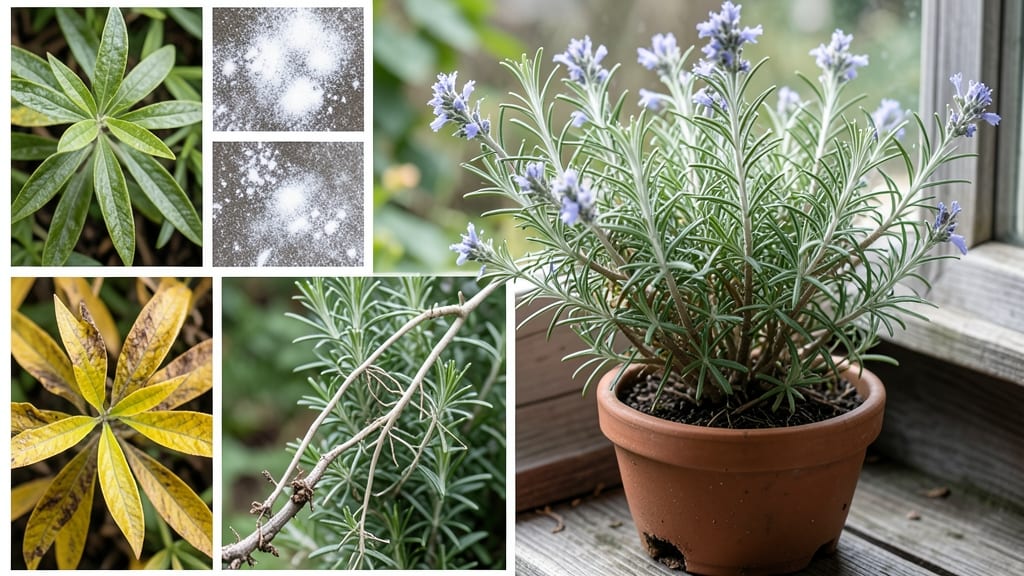
Rosemary plant issues like yellowing leaves or leggy stems can turn your herb garden from fragrant to frustrating—fast. 🌿 I’ve nursed back more than my share of struggling rosemary, and the fixes are simpler than you’d think, once you know the root cause (literally).
Most problems boil down to two things: watering too much or not enough. Rosemary thrives on neglect—dry soil, full sun, and sharp pruning. Overwatering causes root rot (the silent killer), while underwatering leads to yellowing and crispy edges. Leggy growth?
That’s just the plant stretching for light you’re not giving it. With a few adjustments—like cutting back soggy stems, moving plants to sunnier spots, and watering only when the soil is bone-dry—you’ll see fresh green growth in weeks.
The key is consistency: rosemary rewards patience with woody stems that last for years. Prevention is even easier: plant in well-draining soil, avoid mulch piles around the base, and prune regularly. Your kitchen garden will be back to its aromatic best in no time.
Root Causes Behind Rosemary Struggles
Understanding why your rosemary plant is acting up starts with identifying the environmental and biological triggers behind its distress. Rosemary (Rosmarinus officinalis) is a hardy Mediterranean shrub, but even tough plants have their limits.
Below, we break down the most common culprits—and the science behind them—so you can diagnose (and fix!) your plant’s problems like a pro.
Rosemary hates soggy roots. Unlike tropical plants, it evolved in dry, rocky soils where water drains quickly. When soil stays too wet, root rot (caused by fungi like Phytophthora or Pythium) sets in, cutting off oxygen and nutrients.
Why it happens:
- Compacted or clay-heavy soil holds excess moisture, suffocating roots.
- Lack of drainage holes in pots traps water, mimicking a swampy environment.
- Overzealous watering (especially in cool, humid weather) prevents roots from drying between waterings.
- Cold temperatures slow root respiration, making roots more susceptible to rot.
Actionable clue: Check the soil—if it’s squishy 1–2 inches down or smells like wet socks, you’re overwatering.
On the flip side, rosemary wilts dramatically when thirsty—but don’t panic! Unlike many plants, it’s drought-tolerant and often bounces back. However, chronic underwatering weakens the plant, making it prone to pests or disease.
Why it happens:
- Low humidity (common in indoor or arid climates) speeds up moisture loss.
- Small or shallow pots dry out faster, especially in hot sun.
- Ignoring wilting signs (rosemary’s leaves curl inward to conserve water).
- Hard water buildup (mineral deposits in pots block water absorption).
Actionable clue: Stick your finger in the soil—if it’s bone-dry past 2 inches, it’s time to water. A sudden droop after wilting? It’s likely thirsty. If it stays limp for days, roots may be damaged.
Rosemary thrives in lean, mineral-rich soil but struggles when deprived of key nutrients. Yellowing leaves or stunted growth often signal a deficiency in nitrogen, iron, or magnesium.
Why it happens:
- Over-fertilizing with nitrogen (common in fast-release fertilizers) burns roots, while too little nitrogen causes pale, slow growth.
- Iron chlorosis (yellow leaves with green veins) occurs in alkaline soil (pH >7.0), locking out iron.
- Magnesium deficiency (yellow patches between veins) happens when soil is too acidic or depleted over time.
- Pot-bound roots (circling roots in small containers) starve the plant of nutrients as they compete for space.
Actionable clue:
- Nitrogen deficiency? Leaves turn pale green or yellow overall.
- Iron deficiency? New leaves are yellow but veins stay green.
- Magnesium deficiency? Older leaves develop interveinal yellowing (like a spiderweb).
Rosemary craves full sun (6+ hours daily) and struggles in shade or cold. Poor light or temperature swings trigger leggy growth, weak stems, or leaf drop.
Why it happens:
- Insufficient light (indoors or shaded spots) causes etiolation—stems stretch and weaken as the plant searches for sunlight.
- Low temperatures below 20°F (-6°C) damage cells, while frost kills tender new growth.
- Heat stress (above 90°F/32°C) causes leaf scorch (brown, crispy edges).
- Drafts or sudden temperature drops (like near AC vents) shock the plant.
Actionable clue:
- Leggy, sparse growth? Move to brighter light (south-facing window or outdoor sun).
- Brown leaf tips? It’s too hot or dry—mulch or move to partial shade.
- Wilting in cold? Rosemary is not frost-tolerant—bring potted plants indoors before 32°F (0°C).
Rosemary’s woody stems and aromatic oils usually repel pests, but aphids, spider mites, or fungal infections can still take hold under stress.
Why it happens:
- Aphids (tiny green/black bugs) cluster on new growth, sucking sap and spreading sooty mold.
- Spider mites thrive in dry, hot conditions, creating fine webs on undersides of leaves.
- Powdery mildew (white fungal coating) appears in humid, shaded spots with poor airflow.
- Root-knot nematodes (microscopic worms) attack roots in overwatered, warm soil.
Actionable clue:
- Sticky leaves? Aphids are feeding—blast them off with water or use neem oil.
- Webbing on leaves? Spider mites—increase humidity and spray with soapy water.
- White powder on leaves? Powdery mildew—improve airflow and apply baking soda spray (1 tsp baking soda + 1 quart water + drop of soap).
Quick fixes for rosemary struggles
Rosemary is a hardy herb, but even the toughest plants need a little TLC when they start showing signs of distress. Whether your rosemary is turning yellow, stretching out like a noodle, or battling root rot, these targeted solutions will help you revive your plant and keep it thriving.
Let’s tackle each issue one by one with practical, step-by-step fixes and prevention tips to keep your rosemary happy and healthy.
Yellowing leaves are often a cry for help from your rosemary. The most common culprits are overwatering or nutrient deficiencies, but pests or disease can also play a role. Here’s how to diagnose and fix it:
💧 Fix Overwatering (Root Rot Risk)
Rosemary thrives in dry, well-draining soil—too much water suffocates its roots and leads to rot. If the soil feels soggy or the leaves are yellowing with brown edges, act fast:
- 🔥 Stop Watering Immediately
- Let the top 2–3 inches of soil dry out completely before watering again. Stick your finger in the soil—if it’s damp, wait.
- 👨🍳 Improve Drainage
- If your rosemary is in a pot, add perlite or coarse sand to the soil mix (aim for a 50/50 blend with potting soil).
- For in-ground plants, amend the soil with compost or gravel to prevent waterlogging.
- ⏰ Prune Damaged Leaves
- Snip off yellow or brown leaves with clean scissors to redirect energy to healthy growth.
- 🌡️ Check for Root Rot
- Gently remove the plant from its pot (if potted) and inspect the roots. Healthy roots are firm and white; mushy or black roots mean rot.
- Treatment: Trim away rotten roots with sterilized scissors, repot in fresh, dry soil, and avoid watering for 5–7 days.
💡 Prevention Tip:
- Water only when the soil is bone-dry—rosemary is drought-tolerant!
- Use pots with drainage holes and avoid saucers that trap excess water.
🍽️ Fix Nutrient Deficiency (Yellowing Between Veins)
If the leaves are pale or yellow between the veins (but green veins remain), your rosemary is hungry—likely for nitrogen, magnesium, or iron.
- 🥗 Feed with a Balanced Fertilizer
- Use a diluted liquid fertilizer (like 10-10-10) once a month during growing season (spring–fall).
- For a quick fix, Epsom salt (magnesium sulfate) can help: Mix 1 tbsp per gallon of water and spray on leaves weekly for 2–3 weeks.
- 🌿 Check Soil pH
- Rosemary prefers slightly acidic to neutral soil (pH 6.0–7.0). Test your soil with a pH kit and amend with lime (to raise pH) or sulfur (to lower pH) if needed.
- 🍎 Boost Organic Matter
- Mix in compost or worm castings to enrich the soil naturally.
💡 Prevention Tip:
- Avoid over-fertilizing—rosemary prefers lean soil. Too much fertilizer causes salt buildup, which burns roots.
If your rosemary is stretching tall and sparse with long stems and small leaves, it’s craving sunlight. Leggy growth happens when plants don’t get enough 6+ hours of direct sun daily.
☀️ Fix Light Deficiency
- 🔥 Move to a Sunnier Spot
- Outdoors: Place in full sun (at least 6 hours of direct light).
- Indoors: Near a south-facing window or under grow lights (12–14 hours/day).
- 🍳 Prune Back Leggy Stems
- Cut back overly elongated stems by 1/3 to encourage bushier growth.
- Pinch new growth regularly to promote compact growth.
- 🌡️ Adjust Watering
- Leggy plants often get overwatered because they’re not using moisture efficiently. Let soil dry out completely between waterings.
💡 Prevention Tip:
- Rotate pots occasionally so all sides get even light.
- Avoid shade—rosemary won’t thrive in low-light conditions.
Root rot is a silent killer—it starts with yellowing leaves and wilting, then the plant collapses. If you suspect root rot (smelly soil, mushy stems, or slow decline), act fast:
🔪 Emergency Root Rot Rescue
- 🍳 Remove and Inspect
- Gently take the plant out of its pot and rinse the roots to remove excess soil.
- Trim all black, mushy roots with sterilized scissors (only keep firm, white roots).
- ⏰ Repot in Fresh, Dry Soil
- Use a well-draining mix (cactus/succulent soil + perlite).
- Skip watering for 5–7 days to let roots recover.
- 🌡️ Adjust Care
- Water only when soil is bone-dry (stick your finger in—if it’s damp, wait).
- Avoid saucers under pots to prevent water pooling.
💡 Prevention Tip:
- Never let rosemary sit in wet soil—it’s a succulent and hates soggy conditions!
- Use terracotta pots (they dry out faster than plastic).
- 🌡️ Monitor soil moisture—stick your finger in before watering.
- ☀️ Ensure full sun exposure—rosemary won’t thrive in shade.
- 🍃 Prune regularly to encourage bushy growth and airflow.
- 🔄 Repot every 2–3 years to refresh soil and prevent nutrient depletion.
With these fixes, your rosemary should bounce back in 2–4 weeks—just give it time and consistent care! 🌿✨
Frequently asked questions
Why are my rosemary leaves turning yellow with brown edges?
This is usually a sign of overwatering or root rot. Rosemary thrives in dry conditions, so let the top 2-3 inches of soil dry out completely before watering again. Check for mushy, black roots—if present, trim them and repot in fresh, well-draining soil.
How do I fix leggy rosemary growth?
Leggy growth happens when your rosemary isn't getting enough sunlight (6+ hours daily). Move it to a sunnier spot and prune back 1/3 of the longest stems to encourage bushier growth. Rotate the pot occasionally for even light exposure.
Can I save rosemary with root rot?
Yes! Remove the plant from its pot, rinse the roots, and cut off all black, mushy roots with sterilized scissors. Repot in a mix of cactus soil and perlite, then skip watering for 5-7 days to help roots recover. Use terracotta pots—they dry out faster than plastic.
What causes white powdery spots on rosemary leaves?
That's powdery mildew, a fungal issue caused by high humidity and poor airflow. Improve circulation by spacing plants apart, and spray leaves with a mix of 1 tsp baking soda + 1 quart water + drop of soap weekly. Avoid overhead watering.
How often should I water potted rosemary?
Water only when the soil is completely dry—stick your finger 2 inches deep. In summer, this might be every 7-10 days, while winter watering should be every 3-4 weeks. Rosemary is drought-tolerant and prefers neglect over soggy soil!