
Planting
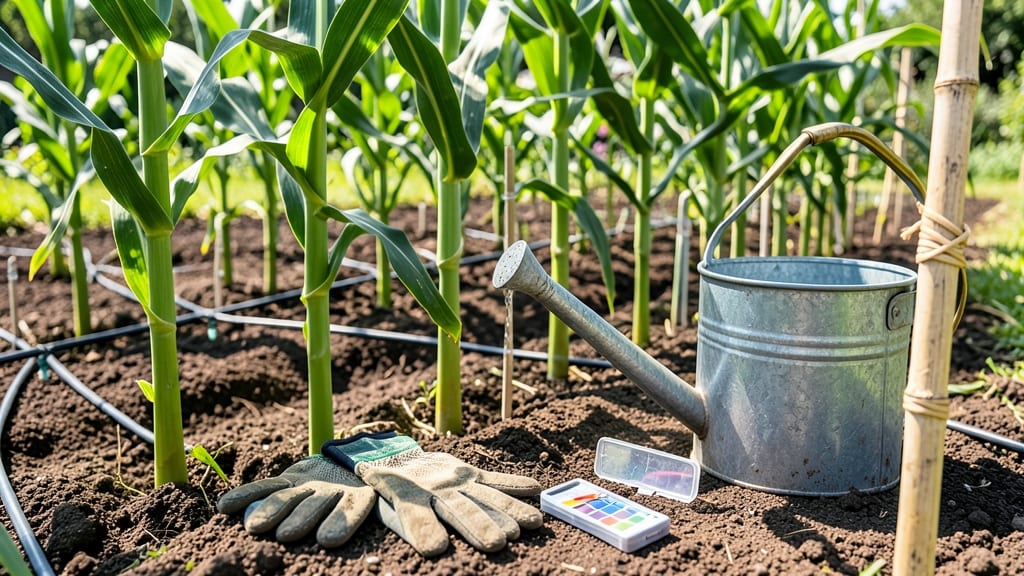
Mastering corn plant care instructions starts with understanding their bold needs. 🌽 These tropical stunners (Dracaena fragrans) demand bright light, consistent moisture, and a little patience to reward you with glossy, arching foliage that feels like a mini jungle in your home.
I’ve nursed my own back from crispy edges to thriving beauty—here’s how to skip the struggle and get straight to the lush results.
The secret isn’t complicated: direct sunlight (think east or south-facing windows) and well-draining soil that stays lightly damp but never soggy. Overwatering is the #1 killer, so stick your finger in the soil first—if the top inch feels dry, it’s time to water.
Feed them every 4-6 weeks with a balanced houseplant fertilizer to keep those leaves reaching upward like they’re auditioning for a rainforest canopy.
By summer, your corn plant should be taller, fuller, and practically humming with growth. The key is pruning wisely—snip off any yellow or brown leaves at the base to redirect energy to new shoots.
And if you notice dusty leaves, a quick wipe-down with a damp cloth keeps them photosynthesizing like champions.
Even the pickiest plants respond well to this routine, so don’t stress if you’re new. Start with one plant, master the basics, and soon you’ll have a jungle vibe that makes your space feel alive. Ready to transform your home into a green paradise?
📚 In This Guide
- What you need
- Instructions
- Tips and common mistakes
- Wrapping up and next steps
What you need
- ● Seeds: 1–2 lbs of fresh, high-quality corn seeds (choose a variety suited to your climate, like 'Golden Bantam' for ornamental or 'Silver Queen' for sweet corn).
- ● Soil: 10–15 lbs of well-draining, nutrient-rich soil (pH 6.0–7.0). Mix in 2–3 cups of compost per 10 sq ft for extra fertility.
- ● Sunlight: A sunny spot with 6+ hours of direct sunlight daily (full sun is a must!).
- ● Water: Consistent access to water (1–2 inches per week, more during droughts). A garden hose with a gentle spray nozzle or drip irrigation system works best.
- ● Fertilizer: Balanced, slow-release fertilizer (10-10-10 or 5-5-5) or organic options like worm castings or compost tea. Apply at planting and again when plants are 6 inches tall.
- ○ Support (optional but helpful): Stakes or trellises (2–3 ft tall) for taller varieties to prevent lodging.
- ● Garden trowel or transplanting spade (for digging holes).
- ● Gloves (to protect your hands from thorns or rough soil).
- ● Pruners (for trimming dead leaves or pests).
- ● Mulch (straw or shredded leaves, 2–3 inches thick) to retain moisture and suppress weeds.
- ○ Row cover or netting (optional, to deter pests like birds or squirrels).
Step-by-step instructions for growing and caring for corn plants
Here’s the straightforward approach I’ve used to grow corn plants that thrive—no guesswork, just reliable results.
🌱 Step 1: Choose the Right Location and Prepare the Soil
Corn demands full sun—at least 6-8 hours daily—so pick a spot where it won’t be shaded by trees or buildings. I always test the soil first: corn prefers well-draining, fertile soil with a pH between 6.0 and 6.8. If your soil is heavy clay or sandy, amend it with 2-3 inches of compost mixed into the top 12 inches of soil.
Loosen the soil to a depth of 12 inches with a garden fork or tiller to encourage root growth. This prevents compaction, which can strangle young roots. If your soil is too acidic, add lime to adjust the pH before planting. You’ll know the soil is ready when it crumbles easily between your fingers and holds moisture without becoming soggy.
💧 Step 2: Plant Seeds at the Correct Depth and Spacing
Plant corn seeds 1 inch deep and 4-6 inches apart in rows spaced 2-3 feet apart. Corn grows tall and needs room to avoid crowding, which leads to poor air circulation and disease. I like to plant 2-3 seeds per hole and thin to the strongest seedling once they’re 4-6 inches tall—this ensures you don’t lose an entire row if some seeds fail to germinate.
For best results, plant in blocks or squares rather than single rows. This creates a windbreak and improves pollination, which is critical for corn production. Water the soil 1-2 days before planting to help seeds establish contact with moisture. You’ll see sprouts in 7-14 days if conditions are right.
☀️ Step 3: Provide Consistent Water and Monitor Growth
Corn needs 1-1.5 inches of water per week, especially during tasseling and ear formation. Water deeply 2-3 times per week, focusing on the root zone rather than overhead sprinkling. Overhead watering can spread fungal diseases like corn smut or leaf blight, so aim for the base of the plants.
Watch for tassels (the pollen-producing stalks) and silks (the fine threads that emerge from the ear). When silks appear, increase water slightly—this is when the plant needs the most hydration. You’ll know your corn is thriving when the leaves are deep green and upright, not yellowing or drooping.
✂️ Step 4: Fertilize and Control Weeds for Strong Stems
Apply a balanced fertilizer (like 10-10-10) at planting and again when plants reach 12 inches tall. Side-dress with nitrogen-rich fertilizer (like blood meal or fish emulsion) when tassels begin to form. Too much nitrogen late in the season can lead to weak stalks, so stop fertilizing 4-6 weeks before harvest.
Keep the area weed-free—corn is competitive but can’t outcompete aggressive weeds like crabgrass. Mulch with straw or grass clippings to suppress weeds and retain moisture. You’ll notice a difference in plant vigor within 2-3 weeks of consistent weed control.
🌿 Step 5: Harvest at Peak Ripeness for Sweetest Corn
Corn is ready to harvest when the silks turn brown and the kernels are plump and firm. Press a kernel with your fingernail—if it leaves a milky white juice, it’s at its sweetest. Harvest in the early morning when sugars are highest. Use a sharp knife to cut the stalk 6-12 inches above the ear to avoid damaging the plant.
Store harvested corn in the refrigerator for up to 1 week or freeze it for longer storage. If you’re growing corn for drying or flour, wait until the kernels are hard and dry before harvesting. You’ll know it’s fully mature when the husks turn brown and papery.
Tips & tricks for thriving sun-loving corn plants
Here's what I've learned after years of growing corn—these tricks make all the difference between good and spectacular harvests.
Sunlight Strategy: While corn needs at least 6-8 hours of daily sun, I've found that positioning your plants to capture morning sunlight is key. Early rays help prevent fungal diseases that thrive in evening moisture. If you're planting near trees or buildings, choose a spot where the sun reaches the plants by 8 AM—this gives them the energy boost they need right from the start.
Soil Prep Secret: The 12-inch soil depth recommendation isn't just about roots—it's about creating the perfect environment. I always add compost to the full depth because corn roots grow deep to access nutrients. For clay-heavy soils, mix in coarse sand to improve drainage, and for sandy soils, incorporate peat moss to retain moisture. Test your soil pH before planting—corn is particular about that 6.0-6.8 range.
Planting Layout: Those 4-6 inch spacing guidelines might seem generous, but trust me—they're crucial. Corn plants need room to avoid crowding, which leads to poor air circulation and disease. I plant in square blocks rather than rows because this creates natural windbreaks and improves pollination. The 2-3 seeds per hole strategy also gives you backup plants in case some seeds fail to germinate.
Watering Wisdom: The 1-1.5 inches of water per week recommendation is a baseline, but timing matters more during critical growth stages. When silks appear, increase water slightly—this is when your corn needs the most hydration for ear development. I water deeply in the morning to allow foliage to dry before evening, which helps prevent fungal diseases like corn smut. A soaker hose is my go-to tool for delivering water directly to the root zone.
Pro Tips for Corn Plant Care Instructions
- Here's what I've learned after years of growing corn—these tricks make all the difference between good and spectacular harvests.
- Sunlight Strategy: While corn needs at least 6-8 hours of daily sun, I've found that positioning your plants to capture morning sunlight is key.
- Soil Prep Secret: The 12-inch soil depth recommendation isn't just about roots—it's about creating the perfect environment.
Frequently asked questions
Got questions about keeping your corn plant (or Dracaena fragrans) thriving? You’re not alone! Here are answers to the most common queries—from troubleshooting to timing—so you can enjoy this sun-loving stunner without stress.
How often should I water my corn plant?
Water your corn plant only when the top 1-2 inches of soil are dry. Overwatering is the #1 killer—stick your finger in the soil to check! In winter, reduce watering to every 2-3 weeks, as growth slows. Pro tip: Use well-draining soil and a pot with drainage holes to prevent root rot.
Why are the tips of my corn plant turning brown?
Brown tips usually mean underwatering or fluoride/chlorine in tap water. Try these fixes:
- Water deeply but less frequently (let soil dry out more between waterings).
- Use filtered, distilled, or rainwater to avoid chemical buildup.
- Trim the brown tips with clean scissors and repot if roots look mushy.
Can corn plants tolerate direct sunlight?
Yes, but with caution! While they love bright, indirect light, harsh afternoon sun can scorch leaves. Start with 3–4 hours of morning sun, then gradually increase exposure. If outdoors, acclimate slowly to avoid leaf burn. A north- or east-facing window is ideal indoors.
How do I prune a corn plant to encourage bushier growth?
Prune in spring or early summer to promote fuller growth:
- Trim 1/3 of the stem just above a leaf node (where leaves grow).
- Use sterilized scissors to avoid disease.
- Propagate cuttings in water or moist soil for new plants!
What pests should I watch for, and how do I treat them?
Corn plants are tough, but spider mites, mealybugs, and scale can strike. Check the undersides of leaves regularly:
Pest
Signs
Fix
Spider mites
Fine webbing, yellow speckles
Spray with neem oil or rinse leaves with water.
Mealybugs
Cottony white patches
Wipe off with rubbing alcohol-soaked cotton.
Scale
Bumpy, brown spots
Scrape off manually or use insecticidal soap.
Wrapping up and next steps
Growing a thriving corn plant is totally within your reach—just follow these sun-loving care tips and watch your green stunner shine! 🌿 With the right soil, light, and a little patience, you’ll enjoy lush foliage and maybe even sweet rewards (if you’re growing edible varieties).
Ready to level up your plant parent game? Start by snapping a photo of your progress and sharing it with fellow plant enthusiasts—or dive into your next project, like propagating cuttings or styling your corn plant in a stunning corner of your home. Happy growing! 🌟