
Planting
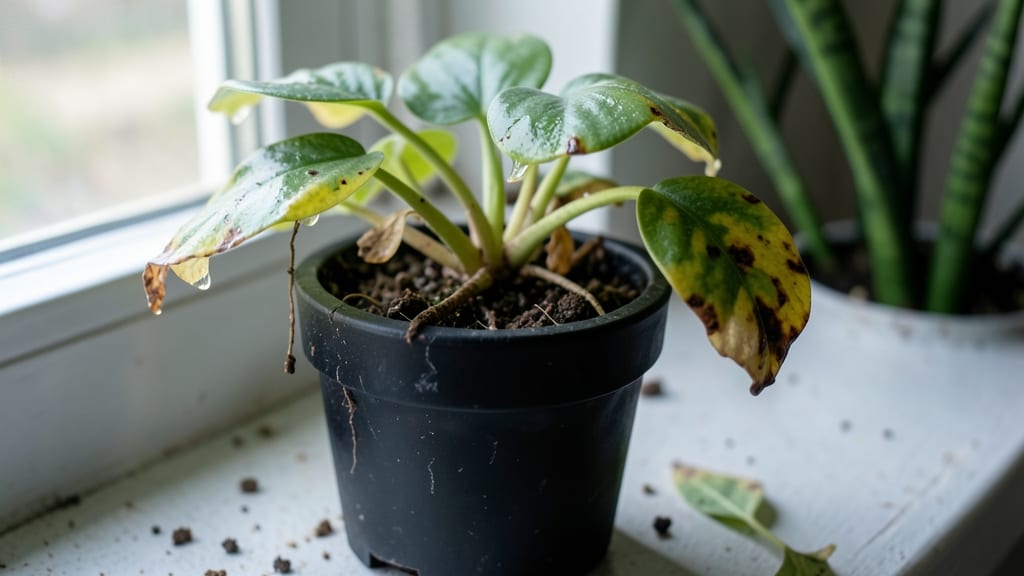
Your plant leaves soft and droopy? That sad, floppy look usually means one of three things: too much water, not enough water, or a hidden problem like pests or rot.
I’ve nursed back more than a dozen plants from this exact state—some in just hours, others in a few days—by checking the roots first and adjusting care. The good news?
Most cases fix themselves with a few simple tweaks, and you’ll often see improvement within 24 hours if you act fast.
Start by sticking your finger an inch into the soil—if it’s soggy, overwatering’s the culprit. If it’s bone-dry, underwatering’s to blame. But here’s the kicker: even with the right water, root rot or pests can sneak in and cause wilting.
I once thought my peace lily was thirsty, only to find its roots rotting from sitting in a saucer of standing water. That’s why I always check the pot’s drainage holes and the roots themselves before blaming the watering schedule.
Once you’ve ruled out overwatering, flip the plant upside down and gently ease it out of its pot. Healthy roots should be firm and white or tan; mushy, dark roots mean rot. Trim away the bad ones with clean scissors, then repot in fresh, well-draining soil.
If pests are the issue, you’ll spot tiny bugs or sticky residue on the leaves—wipe them off with soapy water or treat with neem oil. Most plants perk up within hours after a good root check and a little TLC.
Prevent future droop by watering only when the top inch of soil feels dry and always using pots with drainage holes. For houseplants, group them together to raise humidity—my snake plant and pothos stay lush this way.
Outdoor plants? Mulch around the base to keep moisture even. Trust me, once you’ve revived a plant from this state, you’ll spot the early warning signs before they get this bad.
What Triggers Floppy Foliage
When your plant’s leaves suddenly go soft and droopy, it’s usually a cry for help—often tied to stress from its environment or care routine. Understanding the root causes (literally!) helps you act fast.
Below, we break down the most common reasons your plant’s leaves lose their stiffness, from overzealous watering to hidden pests. Each scenario comes with a quick science-backed explanation so you can diagnose and fix the issue before it’s too late.
Most droopy leaves start with too much water, which suffocates roots by cutting off oxygen. Plants need aeration in the soil—when waterlogged, roots can’t absorb nutrients or breathe, leading to wilting, yellowing, or mushy stems.
- How it happens: Overwatering disrupts the plant’s osmotic balance. Cells in the leaves lose turgor pressure (the "plumpness" from water-filled vacuoles), causing them to collapse.
- Red flags:
- Soil smells sour or moldy.
- Leaves feel soggy to the touch.
- Pot feels heavy with water.
- Science deep dive: Roots rely on aerenchyma (air channels) to survive submerged conditions. If the soil stays soggy for days, these channels fill with water, and roots drown—even in "drought-tolerant" plants like succulents.
Pro tip: Stick your finger 2 inches deep into the soil—if it’s damp, wait. Use a moisture meter for accuracy, or opt for well-draining mixes (like cactus soil) if your plant struggles.
While overwatering drowns roots, underwatering dehydrates them, causing leaves to wilt as the plant prioritizes survival over foliage. Think of it like a straw: if the soil is bone-dry, the plant can’t "sip" enough water to keep cells hydrated.
- How it happens: Cells lose water faster than roots can replenish it, triggering abscisic acid (a plant hormone that signals wilting). Leaves curl or droop to reduce water loss.
- Red flags:
- Soil is completely dry at the surface and below.
- Leaves feel crispy or papery.
- New growth is stunted.
- Science deep dive: Plants use transpiration (water evaporation through leaves) to cool down. When soil moisture drops below 30%, transpiration spikes, and leaves wilting to minimize damage—a last-resort tactic.
Pro tip: Group plants together to increase humidity around leaves, reducing water loss. For container plants, use self-watering pots or a pebble tray to add moisture from below.
Plants are sensitive to temperature swings, whether scorching heat or freezing cold. Droopy leaves often signal cellular damage from stress, as enzymes and membranes struggle to function outside their ideal range.
- How it happens:
- Heat stress: High temps (>90°F/32°C) cause protein denaturation in leaves, disrupting photosynthesis. Stomata (leaf pores) close to conserve water, but this traps heat inside, cooking the plant.
- Cold stress: Freezing temps (<32°F/0°C) cause ice crystal formation in cells, rupturing membranes. Evergreens and tropical plants are especially vulnerable.
- Red flags:
- Leaves feel warm to the touch (heat stress) or freeze-hardened (cold stress).
- New growth is yellow or brown at the edges.
- Plant wilts even when watered.
- Science deep dive: Plants produce antioxidants (like glutathione) to combat oxidative stress from temperature extremes. But if the stress is severe or prolonged, these defenses fail, leading to necrosis (dead tissue).
Pro tip: Move sensitive plants to indirect light in summer and use row covers or mulch in winter. For indoor plants, avoid drafts from AC vents or heaters.
Pests like aphids, spider mites, or fungal infections drain nutrients and disrupt water transport, causing leaves to wilt or yellow. These invaders often go unnoticed until the damage is visible.
- How it happens:
- Sap-sucking pests: Insects like aphids inject toxic saliva into leaves, clogging vascular tissue (xylem and phloem). This blocks water and nutrient flow, leading to wilting.
- Fungal/bacterial infections: Pathogens like Phytophthora (root rot) or powdery mildew disrupt cell function, causing leaves to droop or develop spots.
- Red flags:
- Sticky residue ("honeydew") on leaves.
- Tiny webs (spider mites) or black sooty mold.
- Wilted leaves despite consistent watering.
- Science deep dive: Pests trigger systemic acquired resistance (SAR) in plants, but severe infestations overwhelm this response. Fungi release cell-wall-degrading enzymes that weaken leaf structure.
Pro tip: Inspect leaves undersides for pests. Treat with neem oil (for pests) or copper fungicide (for infections). Isolate affected plants to prevent spread.
If roots are crowded, rotting, or injured, they can’t absorb water or nutrients efficiently, leading to wilting. This is common in container plants or those recovering from transplant shock.
- How it happens:
- Root bound: Roots circle the pot, strangling themselves and starving the plant of oxygen and water.
- Root rot: Fungal/bacterial infections (from overwatering) turn roots black and mushy, preventing water uptake.
- Physical damage: Rough handling or repotting can sever roots, reducing the plant’s ability to anchor and hydrate.
- Red flags:
- Roots circling the pot when checked.
- Pot smells rotten.
- Leaves wilt <
Revive Your Plant in a Flash
Seeing your once-vibrant plant with soft, droopy leaves can feel like a gut punch—but don’t toss it just yet! Most wilted foliage is fixable with quick, targeted care. Below, we break down the most common causes and their easy, actionable solutions, so you can nurse your plant back to health in under 24 hours. Plus, we’ll share pro tips to keep your green buddy thriving long-term.
Signs: Yellowing leaves, mushy stems, soil that smells sour or moldy.
How to Fix It: 🔥 Step 1: Stop Watering Immediately
- Let the soil dry out completely before watering again. Stick your finger 1–2 inches into the soil—if it’s damp, wait.
🍳 Step 2: Drain the Excess
- If the pot has no drainage holes, transfer the plant to a temporary container with holes or place it in a shallow tray of water to encourage root aeration.
👨🍳 Step 3: Refresh the Roots (If Needed)
- For severely waterlogged plants, gently remove it from the pot and let the roots air-dry for 30–60 minutes. Trim any black, mushy roots with sterilized scissors.
🥘 Step 4: Repot in Fresh Soil
- Use a well-draining potting mix (add perlite or sand if your soil is heavy) and avoid watering for 3–5 days to let roots recover.
💡 Prevention Tip:
- Water only when the top 1–2 inches of soil are dry. Use a moisture meter for accuracy, or opt for self-watering pots with sensors.
Signs: Crispy leaf edges, dry soil pulling away from the pot, leaves curling inward.
How to Fix It: 🔥 Step 1: Deep Watering Session
- Place the pot in a sink or tray and water until it drains from the bottom. This ensures roots soak up moisture evenly.
🍳 Step 2: Check the Soil Type
- Sandy soil drains too fast? Mix in coconut coir or peat moss to retain moisture. Clay pots? Swap for terracotta or fabric pots to slow evaporation.
👨🍳 Step 3: Boost Humidity (For Tropical Plants)
- Group plants together, use a pebble tray with water, or mist leaves lightly (avoid soggy soil).
🥘 Step 4: Adjust Your Routine
- Water in the morning so leaves dry by night (prevents fungal issues). For desert plants (like succulents), water every 2–3 weeks.
💡 Pro Tip:
- Ice cube hack: Place 1–2 ice cubes on the soil surface for a slow, deep drink without overwatering.
Signs: Leaves wilting suddenly, browning edges, or drooping even after watering.
How to Fix It: 🔥 Step 1: Move to the Right Spot
- Too hot? Shift to indirect light (e.g., east-facing window) or away from vents/AC units.
- Too cold? Keep away from drafts (including windows at night) and avoid placing near doors.
🍳 Step 2: Acclimate Gradually
- If moving outdoors, harden off the plant over 7–10 days by exposing it to sunlight incrementally.
👨🍳 Step 3: Shield from Shock
- Use sheer curtains to filter harsh afternoon sun. For cold-sensitive plants (like citrus), add a heat mat in winter.
🥘 Step 4: Check for Pests
- Inspect leaves for spider mites or aphids (they stress plants). Wipe with soapy water or spray with neem oil.
💡 Prevention Tip:
- Rotate your plant weekly so all sides get even light—prevents lopsided wilting.
Signs: Roots circling the pot, soil drying out too fast, leaves wilting despite regular watering.
How to Fix It: 🔥 Step 1: Gently Repot
- Remove the plant and tease apart tangled roots. Trim any that are gnarled or circling.
🍳 Step 2: Upgrade the Soil
- Use a fresh potting mix with compost or worm castings for nutrients. Avoid garden soil—it compacts and suffocates roots.
👨🍳 Step 3: Choose the Right Pot
- Pick a container 1–2 inches larger in diameter than the root ball. Terracotta breathes better for moisture-sensitive plants.
🥘 Step 4: Water Lightly After Repotting
- Wait 3–5 days before watering to reduce transplant shock.
💡 Sign You’re Doing It Right:
- New growth within 2–4 weeks means roots are happy!
Signs: Sticky residue, holes in leaves, white webbing, or sudden wilting with no other obvious cause.
How to Fix It: 🔥 Step 1: Isolate the Plant
- Keep it away from others to prevent spreading. Check nearby plants for signs of infestation.
🍳 Step 2: Target the Culprit
- Fungal issues (e.g., powdery mildew)? Spray with a baking soda solution (1 tsp baking soda + 1 quart water + a drop of dish soap).
- Bugs (aphids, mealybugs)? Wipe leaves with a damp cloth or use insecticidal soap.
- Root rot? See the overwatering fix above—you may need to trim affected roots.
👨🍳 Step 3: Boost Plant Immunity
- Feed with a diluted seaweed fertilizer or compost tea to strengthen defenses.
🥘 Step 4: Prevent Future Outbreaks
- Quarantine new plants for 2 weeks before introducing them to your collection.
- Airflow is key: Prune crowded foliage to improve circulation.
💡 Emergency Hack:
- Neem oil spray (1 tsp neem oil + 1 quart water + 1 tsp mild soap) deters pests and treats fungal issues—use every 7–10 days.
Remember: Most plants bounce back faster than you think! Start with the most likely cause, act quickly, and monitor progress. Within 24 hours, you should see signs of recovery—like perky leaves or new growth. And if all else fails? Don’t panic. Some plants (like some varieties of Hoya or Calathea) naturally droop at night—check their care needs to confirm!
Frequently asked questions
Why do my plant’s leaves get soft and droopy overnight?
Many plants naturally wilt at night due to transpiration loss—they release moisture through leaves when temperatures drop. However, if they stay droopy in the morning, check for underwatering or pests. Tropical plants like Calathea often do this, but succulents shouldn’t wilt at all.
Can I save a plant with completely mushy stems and droopy leaves?
It depends! If the stems are soft to the touch and the soil smells rotten, root rot is likely. Trim all black/mushy roots, repot in fresh soil, and withhold water for 5 days. If the plant is still green underneath, it can recover—but if stems are hollow or black, it’s often too late.
How do I tell if my droopy plant needs water or less water?
Do the finger test: Stick your finger 1-2 inches deep into the soil. If it’s damp, it’s overwatered. If dry, underwatered. For container plants, lift the pot—if it’s light, water it. Also check leaf texture: crispy = thirsty; soggy = too wet.
Will pruning droopy leaves help my plant recover?
Pruning won’t fix the root cause, but it can help! Remove only the most severely affected leaves to redirect the plant’s energy to healthier growth. Focus on fixing watering, light, or pest issues first—pruning alone won’t revive a plant with root problems.
My outdoor plant wilts in the afternoon sun—what should I do?
Most afternoon wilting means heat stress. Move the plant to partial shade immediately and water deeply in the morning. For tropical plants, use a shade cloth (30-50% coverage). If it’s a succulent, it’s likely sunburn—relocate to bright indirect light.