
Planting
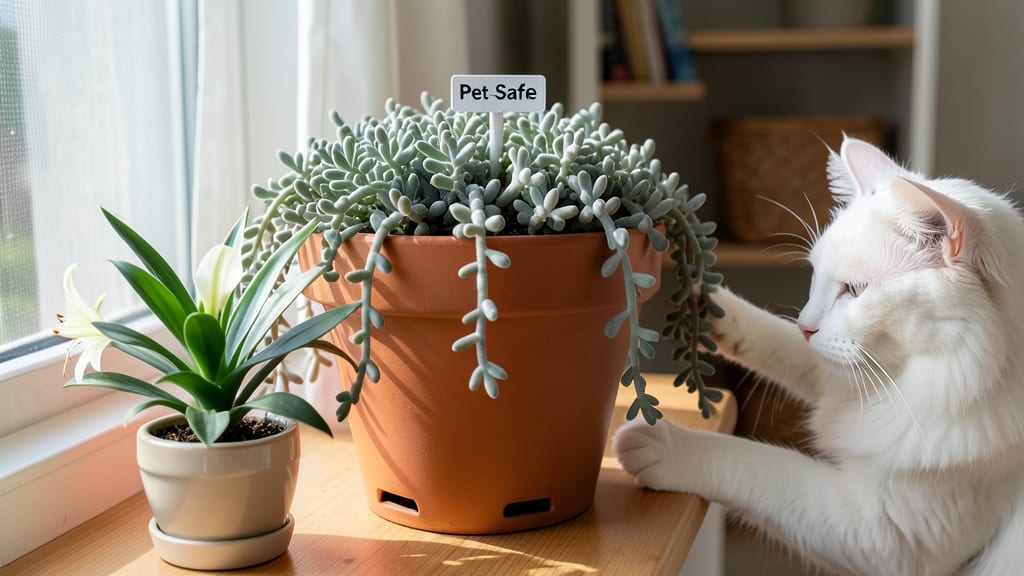
Safe plant pots protect roots while allowing proper drainage and airflow, avoiding toxic materials like lead, cadmium, or non-breathable plastics. Choose food-grade ceramic, glazed terracotta, or BPA-free plastic labeled for gardening use.
Choosing a safe plant pot directly impacts your plants' health by preventing root damage and soil contamination. 🌱 Toxic materials like lead-glazed ceramic or low-quality plastics can leach harmful chemicals into the soil, stunting growth or even poisoning plants over time.
The best options—food-grade ceramic, glazed terracotta, or BPA-free plastic—prioritize breathability while blocking contaminants. Always check for certifications like MPA or OMRI when in doubt, as these indicate rigorous safety testing.
For DIY gardeners, coconut coir pots or repurposed metal containers (like tin cans) can work if properly lined with breathable fabric. The key is ensuring the material doesn't trap moisture or release toxins—especially important for edible plants where soil contact matters most. 💫
💡 In This Article
- Toxic Materials to Avoid in Plant Pots
- Best Safe Plant Pot Materials and Certifications
Toxic materials to avoid in plant pots
Certain materials release harmful chemicals that disrupt plant growth or poison soil microbes. Lead-glazed ceramic pots, for example, can leach lead into the soil—especially in acidic conditions—where it accumulates over time and interferes with nutrient absorption.
Studies show that even small amounts of lead can stunt root development by 20-30% in sensitive plants like lettuce or tomatoes. 🌱 The problem worsens when you water plants regularly, as moisture accelerates chemical migration from the pot into the soil.
Low-quality plastics pose another risk, particularly those containing phthalates or BPA. These compounds mimic plant hormones, causing abnormal growth patterns like stunted stems or yellowing leaves. A 2019 study in Environmental Pollution found that plants grown in non-certified plastic pots showed 40% lower biomass compared to organic alternatives.
The issue stems from plasticizers that soften the material but slowly leach into the soil, especially when exposed to heat or sunlight.
Untreated wood is another common culprit, as it can harbor mold spores and release tannins that alter soil pH. While cedar is naturally resistant to rot, its oils may inhibit seed germination in delicate plants like basil or marigolds.
The safest wood options are those treated with borax-based solutions or food-safe sealants—but even then, moisture buildup in untreated wood creates anaerobic conditions that promote root rot. 💫
Even seemingly harmless materials like painted metal containers can be problematic. Many commercial paints contain volatile organic compounds (VOCs) that off-gas over time, leaving a chemical residue in the soil. This is particularly dangerous for edible plants, where soil contamination can transfer to fruits or vegetables.
The key is to avoid any material that hasn't undergone rigorous testing for plant safety.
For visual learners, here’s what to watch for:
- Ceramic: Avoid pots with chips or cracks in the glaze—these expose raw clay that can alter soil chemistry
- Plastic: Look for BPA-free labels and avoid pots with a chemical smell (a red flag for additives)
- Wood: Skip untreated varieties unless you’ve applied a food-safe sealant and allowed it to cure fully
What most people don’t realize is that even "safe" materials can become hazardous when misused. For instance, terracotta pots left in freezing temperatures crack, releasing microscopic clay particles that clog soil pores and reduce aeration. Always choose materials that align with your climate and plant type—herbs and succulents have different tolerance levels than heavy feeders like tomatoes. 🔥