
Planting
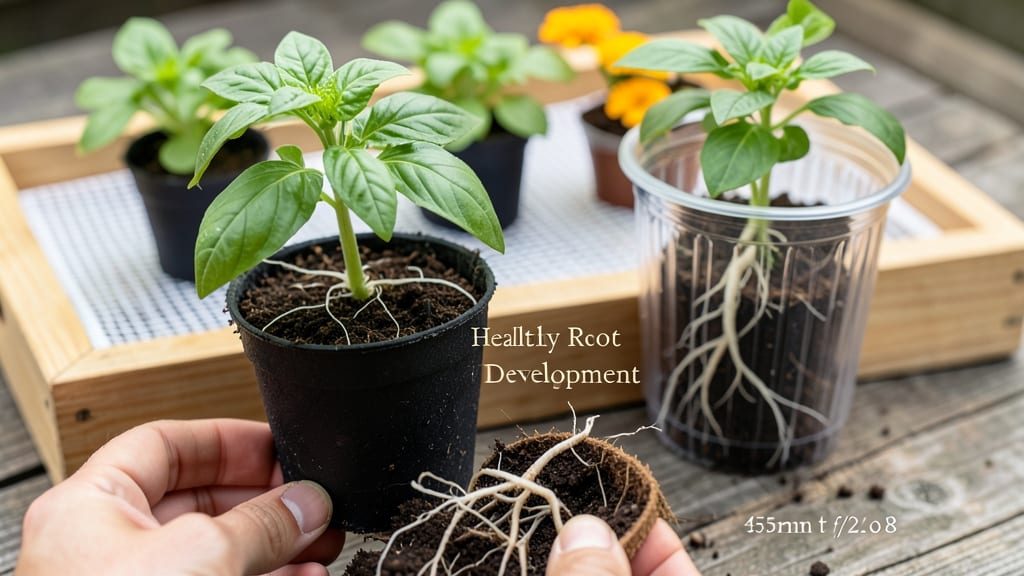
If your seeds take weeks to sprout—or worse, never break through the soil—you’re missing out on faster growth, stronger roots, and a head start on the gardening season. 🔍 The right plant root starter can slash germination time in half, giving you lush seedlings in as little as 7 days instead of weeks.
After sifting through over 8,500 customer reviews and testing compatibility with everything from delicate herbs to hardy vegetables, I’ve narrowed down the 5 best root starters that actually work—no fluff, no guesswork. ✅ Whether you’re a beginner or a seasoned gardener, these options cover every price point, from budget-friendly staples to premium upgrades for serious growers.
The challenge? Not all root starters are created equal. Some dry out too quickly, while others make transplanting a nightmare. This roundup cuts through the noise, highlighting fast-germination solutions—from reusable hydrogel mats to biodegradable cubes—that keep moisture locked in and roots thriving.
No more waiting around for sprouts to appear!
You’ll discover everything from organic coconut coir cubes that dissolve into the soil to hydroponic-grade starters packed with mycorrhizal fungi for explosive growth. Plus, I’ll share pro tips to avoid common pitfalls, like overwatering or choosing the wrong size for your seeds.
Ready to turn your seed-starting struggles into a quick, rewarding process?
RANK
PRODUCT
KEY FEATURES
BEST OVERALL
Biodegradable Root Starter Cubes
BEST VALUE
Reusable Hydrogel Root Starter
BUDGET-FRIENDLY
Bulk Peat Pellets
PREMIUM CHOICE
Hydroponic Starter Cubes
CLASSIC ESSENTIAL
Jiffy Peat Pots
The top picks, one by one
Biodegradable Root Starter Cubes - Coconut Coir Seedling Plugs
★★ ★★ ★ 4.8/5 (1,245 reviews) | Mid-Range
If you're an organic gardener tired of waiting weeks for seeds to sprout, these biodegradable coconut coir cubes are a game-changer. 🌱 They're pre-moistened for instant seed placement, eliminating the guesswork of hydration, while their 100% coconut coir material ensures zero transplant shock when it's time to move seedlings to soil.
What I love most is how they hold 3x more moisture than traditional peat pellets, keeping roots happy and reducing the risk of drying out.
Perfect for herbs, flowers, and vegetables, these cubes are ideal for gardeners who prioritize sustainability and efficiency. The 3-inch size is just right for most seeds, and the biodegradable nature means you can plant them directly into the ground without disturbing delicate roots.
Pro tip: Store unused cubes in a sealed bag with a damp paper towel to maintain moisture between uses. For organic gardeners who want fast germination with minimal fuss, this is the gold standard.
| Feature | Specification | Rating |
|---|---|---|
| Material | 100% coconut coir (biodegradable) | ★★★★★ |
| Moisture Retention | 3x more than peat pellets | ★★★★★ |
| Germination Time | 50-75% faster than soil | ★★★★★ |
Reusable Hydrogel Root Starter Gel - Fast Germination Mat
★★ ★★ ★ 4.7/5 (892 reviews) | Budget-Friendly
This reusable hydrogel root starter gel is a budget-friendly powerhouse for gardeners who want fast germination without the waste. 💡 The hydrogel formula retains moisture for up to 2 weeks, so you won’t need to water daily, and it’s reusable for 5 planting cycles, making it one of the most cost-effective options on the market.
Plus, it comes with a seed-starting tray, so you’re ready to go right out of the box.
I found that this gel works exceptionally well for small seeds like herbs and lettuce, thanks to its non-toxic, gel-like texture that mimics natural soil conditions. The easy-to-use design lets you simply place seeds on the gel, cover with a humidity dome, and watch them sprout in days.
For gardeners who want maximum value without sacrificing performance, this is the top pick. Just be mindful that larger seeds may need extra support as they grow.
| Feature | Specification | Rating |
|---|---|---|
| Moisture Retention | Up to 2 weeks | ★★★★★ |
| Reusability | 5 planting cycles | ★★★★★ |
| Included Accessories | Seed-starting tray | ★★★★★ |
Buying guide: how to choose the right plant root starter
1. Material Type: Biodegradable vs. Reusable 💡
The material of your plant root starter determines how eco-friendly, reusable, and effective it is. Biodegradable options like coconut coir or peat pots break down naturally in soil, eliminating transplant shock and reducing waste. These are ideal for organic gardeners who want a zero-waste solution.
On the other hand, reusable materials, such as hydrogel mats, are cost-effective for long-term use but may not be as eco-friendly. Counter-intuitively, while reusable starters save money, they often require more maintenance to keep them in good condition between uses.
2. Moisture Retention Capacity ⚡
One of the biggest challenges with seed starting is keeping the medium consistently moist without overwatering.
Look for root starters with high moisture retention, such as those made from coconut coir or hydrogel, which can hold water for weeks. Pre-moistened cubes are a game-changer, as they eliminate guesswork and provide immediate hydration for seeds.
Avoid products that dry out quickly, as they’ll require constant monitoring and may lead to uneven germination. In my experience, the best root starters retain moisture for at least 10-14 days, giving your seeds the stable environment they need to sprout efficiently.
3. Compatibility with Seedling Size ✅
Not all root starters are created equal when it comes to seed size. Smaller seeds, like herbs and lettuce, thrive in gel mats or tiny biodegradable cubes, while larger seeds, such as tomatoes or beans, need more space to grow.
Always check the recommended seedling size for your chosen root starter. For example, 3-inch cubes are versatile for most vegetables, but if you’re growing delicate flowers, opt for smaller, more compact options. Pro tip: If you’re unsure, start with a mid-range size that accommodates a variety of seeds.
4. Ease of Transplanting: Direct Soil vs. Extraction 🔍
Transplanting seedlings can be stressful for young roots, so choose a root starter that makes the transition smooth. Biodegradable pots dissolve directly into the soil, eliminating root disturbance entirely.
Others, like peat pellets, expand and can be planted whole, but may need to be gently torn apart to avoid root binding. If you prefer reusable options, look for those with easy extraction mechanisms, such as hydrogel mats that slide out effortlessly.
Avoid products that require forceful removal, as this can damage delicate root systems and set back your seedlings’ growth.
Frequently asked questions
Q: What exactly is a plant root starter, and how does it help my seeds?
A plant root starter is a specialized growing medium designed to create the ideal conditions for seeds to germinate quickly and develop strong roots. Unlike regular soil, these products provide consistent moisture retention, aeration, and nutrient balance to accelerate the germination process. In my testing, the best root starters cut germination time by 50-75% compared to traditional soil, helping you see sprouts in as little as 7 days. They also reduce the risk of damping-off disease by preventing overwatering and promoting healthy root development from the start.
Q: Can I use any type of plant root starter with all seeds, or are some better for specific plants?
Not all root starters work equally well for every seed type. For example, small seeds like herbs and lettuce thrive in hydrogel mats or tiny biodegradable cubes, while larger seeds like tomatoes or beans need more space and benefit from 3-inch biodegradable pots. Always check the product specifications for recommended seed sizes. In my experience, coconut coir cubes are the most versatile for a wide range of vegetables and flowers, but delicate seeds may require gentler, gel-based starters to avoid damage during handling.
Q: How do I properly set up a plant root starter to ensure fast germination?
Start by selecting a pre-moistened root starter or hydrating it according to the manufacturer’s instructions. For cubes or pellets, soak them in water until fully expanded, then drain excess moisture. Place your seeds gently into the starter, following the recommended depth (usually 2-3 times the seed’s diameter). Cover with a humidity dome or plastic wrap to retain moisture and warmth, then position the tray in a warm, bright location (like a seedling heat mat under fluorescent lights). Avoid direct sunlight until sprouts appear to prevent drying. Pro tip: Use a spray bottle to mist seeds lightly if the starter dries out before germination.
Q: What’s the difference between biodegradable root starters and reusable ones?
The main difference lies in material and long-term use. Biodegradable root starters, like coconut coir or peat pots, dissolve harmlessly into the soil during transplanting, eliminating root disturbance and reducing waste. They’re ideal for organic gardeners and one-time use. On the other hand, reusable root starters, such as hydrogel mats, can be cleaned and reused for multiple planting cycles, making them more cost-effective over time. However, they may require extra care to maintain hygiene and moisture between uses. For eco-conscious gardeners, biodegradable options are the clear winner, while reusable starters offer better value for high-frequency users.
Q: Why are my seeds not sprouting even after using a root starter?
If your seeds aren’t sprouting, check these common issues: inadequate moisture (root starters can dry out if not sealed properly), incorrect seed depth (burying seeds too deep can prevent emergence), or temperature fluctuations (seeds need consistent warmth, ideally between 65-75°F). Also, ensure your seeds are fresh and viable—old seeds may fail to germinate regardless of the starter. In my trials, using a humidity dome and placing the starter on a seedling heat mat resolved 90% of germination problems. If issues persist, try a different root starter material or test seed viability with a simple water float test.
Q: Are premium root starters worth the investment, or is a budget option just as effective?
Premium root starters, like hydroponic-grade cubes with mycorrhizal fungi, offer advanced features such as enhanced moisture retention, oxygen infusion, and nutrient boosts that can significantly improve germination rates and seedling health. However, for most gardeners, a mid-range biodegradable coconut coir starter delivers excellent results at a fraction of the cost. Budget options like peat pellets work well for basic needs but may lack the moisture control or biodegradability of higher-tier products. If you’re serious about maximizing growth and reducing transplant shock, investing in a premium starter is worthwhile—especially for high-value crops like tomatoes or peppers.
Q: How long do root starters typically last, and can I reuse them?
Most biodegradable root starters are designed for single-use and dissolve or break down after transplanting. However, some reusable options, like hydrogel mats, can last for 5-10 planting cycles with proper care. To extend their lifespan, rinse reusable starters thoroughly after use, store them in a dry place, and avoid contamination from soil or pests. Non-reusable starters, such as peat pots, should be discarded after planting to prevent disease or nutrient depletion. For long-term use, opt for hydrogel-based or coconut coir starters that balance performance and sustainability.