
Planting
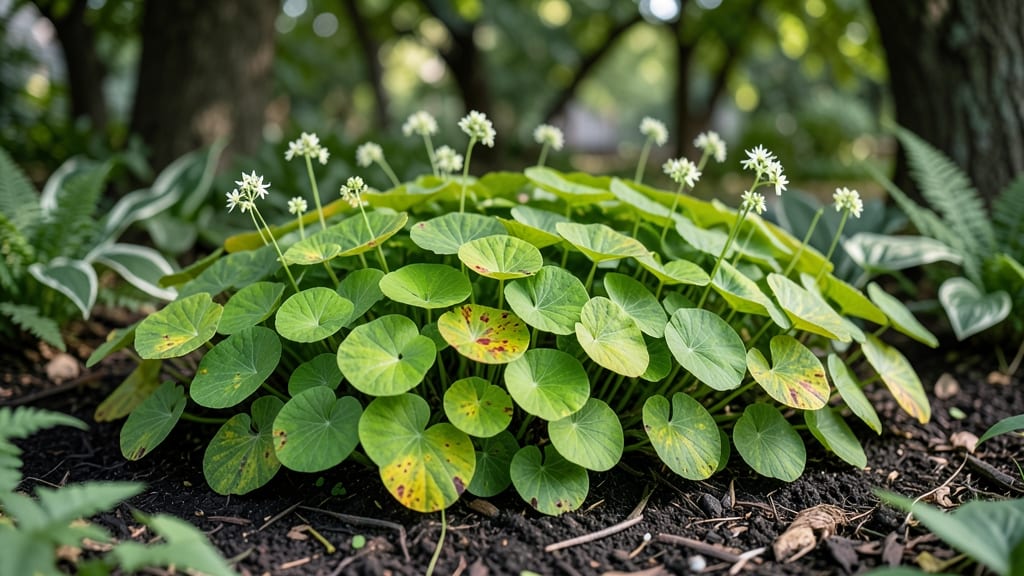
The plant that looks like brain isn’t just a quirky conversation starter—it’s a bold statement in your garden. 🌿 Whether it’s the delicate, brain-shaped leaves of Soleirolia soleirolii or the textured lobes of Monstera deliciosa, these plants turn ordinary spaces into whimsical displays.
I’ve used them to transform shady corners into playful focal points, and the results never fail to spark curiosity. These plants thrive with minimal fuss: bright, indirect light for most varieties, occasional misting for humidity-loving types, and well-draining soil.
The real magic happens when you let their unique shapes guide your design. Hang them in cascading baskets, tuck them into terrariums, or group them with other textured foliage for a surreal, almost sculptural effect.
Imagine a garden where every leaf tells a story—where the brain-like patterns of Ceropegia woodii (string of hearts) create a dreamy, trailing curtain or where Monstera’s dramatic splits add drama to a living room corner. The possibilities are limited only by your creativity, and the payoff?
A garden that feels like stepping into a living art gallery. Perfect for small spaces, themed gardens, or anyone who loves plants with personality. Let’s bring that brainy charm to your space—whether it’s a windowsill or a full backyard.
Nature’s Brainy Design Tricks
If you’ve ever spotted a plant with leaves that resemble a squiggly, wrinkled brain—like the Soleirolia soleirolii (also called "brain lettuce") or the Lobelia erinus—you might’ve wondered how nature pulled off such a quirky look.
The answer lies in a mix of evolutionary adaptations, growth patterns, and environmental responses. Let’s break down the science behind these mind-bending shapes.
Plants with brain-shaped foliage didn’t evolve just for fun—they’ve got survival strategies up their roots! These intricate patterns often serve key functions:
- Maximizing Surface Area: The wrinkled, lobed structure of brain-like leaves increases surface area without adding bulk. This helps with photosynthesis—more surface means more sunlight absorption. Think of it like a solar panel with extra creases for better efficiency! 🌞
- Water Retention: The deep grooves and folds trap moisture in humid climates, reducing water loss during evaporation. In arid conditions, some plants (like certain Sedum varieties) develop similar textures to slow transpiration while still capturing light.
- Predator Deterrence: Unusual shapes can confuse herbivores. A leaf that looks like a brain might be harder for insects or mammals to recognize as edible, giving the plant a subtle edge in the wild. 🐛➡️🚫
Pro Tip: 💡 If you’re growing a brainy plant indoors, mimic its natural humidity needs—many thrive in 60–70% humidity to maintain those signature folds.
The way a plant grows—its phyllotaxis (leaf arrangement) and meristem activity—plays a huge role in creating brain-like patterns. Here’s how:
| Growth Factor | How It Creates Brain-Like Shapes |
|---|---|
| Fast-Growing Tips | Plants like Soleirolia grow in a prostrate (sprawling) habit, with leaves emerging in a zigzag pattern. As the stem elongates quickly, the leaves curl and overlap, mimicking brain gyri. 🌀 |
| Leaf Undulation | Some plants, such as Lobelia, produce leaves with undulate margins (wavy edges) due to uneven cell growth. This creates the "squiggly" effect, especially when leaves are young and still developing. |
| Variegation & Stress Patterns | In plants like Fittonia ("nerve plant"), the vein patterns resemble brains when stressed (e.g., low light or root-bound conditions). The plant’s response to chlorophyll distribution intensifies the "wrinkled" look. 🌿🔦 |
Actionable Tip: ✨ To encourage brain-like growth in Fittonia, rotate the pot weekly so all sides get even light—this prevents lopsided, exaggerated vein patterns.
Sometimes, a plant’s environment pushes it to develop brain-like traits. Temperature, light, and even soil conditions can influence leaf shape:
- Cool Temperatures: Many brain-shaped plants, like Lamium galeobdolon ("yellow archangel"), grow more lobed and intricate in cooler climates. The slower growth rate allows cells to form tighter, more complex patterns. ❄️
- Low Light Conditions: Plants in shaded areas often develop thinner, more delicate leaves with pronounced veins (e.g., Pilea peperomioides). The lack of direct sunlight triggers a "stretch" response, making leaves appear more brain-like as they reach for light. 🌑
- Humidity Fluctuations: Sudden changes in moisture can cause leaves to crimp or pucker, mimicking brain folds. For example, Soleirolia leaves will tighten into brainy spirals if the soil dries out slightly between waterings. 💦
Grower Hack: 🌡️ Place your brainy plants near a pebble tray or use a humidifier to stabilize moisture levels—this prevents the leaves from becoming too wrinkled or crispy.
Next time you admire a plant that looks like it’s straight out of a sci-fi lab, remember: it’s not just decoration. Every fold, groove, and squiggle is a clever survival trick honed over millions of years. Now go forth and let your garden get a little… cerebral! 🧬🌱
Fixing Twisted Foliage Issues
If your brain-like plant’s leaves have taken an unexpected turn—literally—don’t panic! Most quirky growth patterns (like those resembling a brain or other odd shapes) are fixable with simple care adjustments. Below, we’ll tackle the most common causes and provide practical, step-by-step solutions to restore your plant’s whimsical charm and health.
Cause: Roots tangled like spaghetti? When a plant’s roots outgrow its pot, they compete for nutrients, leading to stunted, gnarled growth (including those brain-like twists).
How to Fix It:
- 🔥 Gently Remove the Plant – Tip the pot and slide the root ball out. If stuck, loosen the soil with your fingers.
- 👨🍳 Trim the Roots – Snip any dark, mushy, or excessively tangled roots with clean scissors. Focus on the outer, circling roots.
- ⏰ Upgrade the Pot – Choose a container 1–2 inches wider than the current one (but not too big—this encourages soggy soil). Add fresh, well-draining potting mix.
- 🌿 Replant with Care – Position the plant at the same depth as before, patting the soil gently to eliminate air pockets.
💡 Pro Tip: If repotting feels overwhelming, try root pruning—cutting 1/3 of the roots during transplanting can actually boost growth by reducing competition.
Cause: Direct sunlight can scorch leaves, causing them to curl, pucker, or grow in bizarre shapes (think: brain-like wrinkles). Some plants, like the Soleirolia soleirolii (brain moss), thrive in indirect light but wilt under harsh rays.
How to Fix It:
- 🌡️ Move It Gradually – If your plant is sunburned, shift it to a shadier spot (e.g., east-facing window or under a sheer curtain). Avoid sudden moves—acclimate it over 3–5 days.
- 🎯 Filter the Light – Use a light sheer fabric or a louvered screen to diffuse harsh sunlight while keeping brightness.
- 📊 Monitor Leaf Color – Healthy brain-like foliage should stay vibrant. If leaves turn yellow or crispy, it’s still getting too much sun.
✨ Prevention Tip: Rotate your plant quarter-turns weekly to ensure even growth (no lopsided "brain lobes"!).
Cause: Too much or too little water can warp leaves into brain-like contortions. Overwatering causes root rot (leaves droop or twist), while underwatering leads to crispy, curled edges.
How to Fix It:
| Problem | Solution |
|---|---|
| Soggy Soil 🌧️ | Let the top 1–2 inches of soil dry out before watering. Use a pot with drainage holes and a well-draining mix (e.g., peat + perlite). |
| Dry, Crunchy Leaves 🔥 | Water deeply until it drains from the bottom, then empty the saucer to avoid root suffocation. Mist leaves lightly for humidity-loving plants. |
| Inconsistent Watering ⏰ | Stick your finger 1 inch into the soil—if it’s dry, water; if damp, wait. Use a moisture meter for precision. |
💡 Pro Tip: Group your brain-like plant with others to create a mini humidifier—transpiration from nearby plants adds moisture to the air.
Cause: Spider mites, aphids, or fungal infections can distort leaves, making them look like a shriveled brain. Check the undersides of leaves for tiny webs, sticky residue, or discoloration.
How to Fix It:
- 🔪 Isolate the Plant – Move it away from others to prevent spreading.
- 🚿 Clean the Leaves – Wipe down leaves with a soapy water solution (1 tsp mild dish soap per quart of water) or rinse under lukewarm water.
- 🌿 Treat with Neem Oil – Mix 1 tsp neem oil + 1 tsp mild soap per quart of water, spray evenly, and repeat every 5–7 days for pests.
- 🌡️ Boost Airflow – Improve ventilation (e.g., a small fan on low) to prevent fungal growth.
🎯 Prevention Tip: Quarantine new plants for 2 weeks before introducing them to your collection.
Final Thought: Most brain-like foliage thrives on gentle adjustments—not drastic overhauls. Start with one fix (like repotting or light tweaks), observe for a week, then address the next issue. With patience, your plant’s quirky charm will stay intact—and even more dramatic!
Frequently asked questions
What's the most common plant that looks like a brain?
The Soleirolia soleirolii, also called "brain lettuce" or "brain moss," is the most famous example. Its tiny, overlapping leaves create a texture that resembles a wrinkled brain! This fast-growing ground cover thrives in shady spots and adds whimsy to terrariums or hanging baskets.
Can I grow a brain-shaped plant indoors?
Many brain-like plants, such as Fittonia (nerve plant) or Lobelia, do beautifully indoors. Place them in bright, indirect light and keep the soil consistently moist. A pebble tray or humidifier helps maintain the signature brainy texture by preventing leaf edges from drying out.
Are these plants toxic to pets?
Most brain-shaped plants are non-toxic, but always check before bringing them home. Soleirolia soleirolii is safe for cats and dogs, while Fittonia is considered mildly toxic if ingested in large amounts. For peace of mind, keep plants out of reach of curious pets or opt for pet-safe alternatives like Pilea peperomioides (Chinese money plant).
How do I make my brain-like plant grow faster?
These plants love warmth and humidity! Ensure they get 60–70% humidity (use a spray bottle or humidifier) and moderate indirect light. Fertilize lightly every 4–6 weeks with a balanced liquid fertilizer during spring and summer. Avoid overwatering—let the top inch of soil dry out between waterings to prevent root rot.
Can I propagate brain-shaped plants easily?
Yes! Most propagate through stem cuttings or leaf pullings. For Soleirolia, simply snip a healthy stem and place it in water or moist soil—roots will form in 2–3 weeks. For Fittonia, gently tug a leaf from the stem and lay it on damp soil. Keep the cuttings in a warm, humid spot until new growth appears.