
Planting
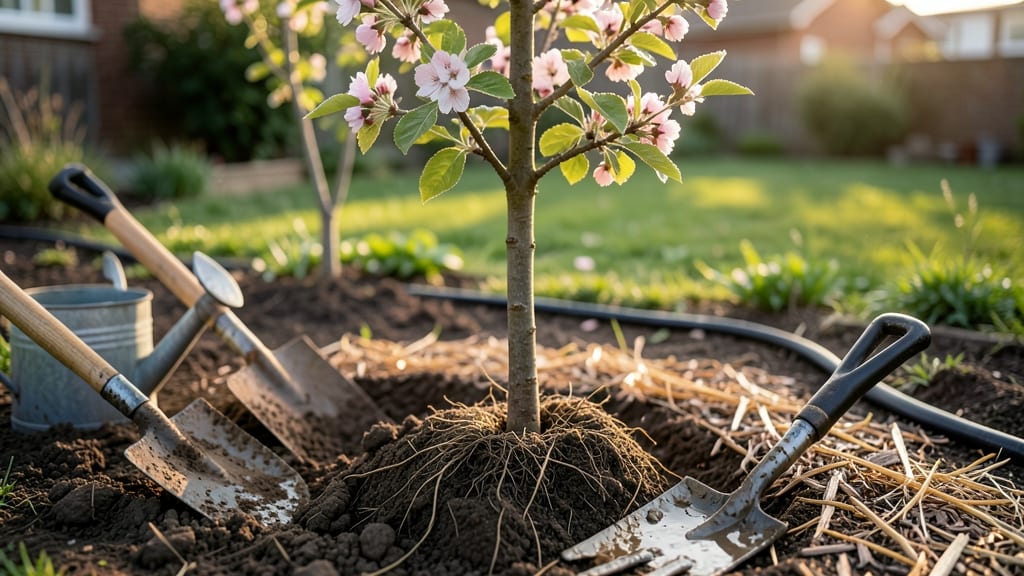
Planting trees in clay soil feels like fighting a losing battle—until you learn the right tricks. 🌱 The key isn't forcing roots through dense earth but working with the soil's natural moisture retention to create a thriving foundation.
My first oak tree nearly failed until I added organic matter and adjusted my approach, and now it's the sturdiest plant in my yard.
You'll need basic tools—a shovel, compost, sand (if your clay is extremely dense), and a tree suited for heavy soil like willow, hackberry, or crape myrtle. The goal is to loosen compaction without turning clay into sand, so focus on amending the planting hole rather than the entire area.
A mix of 50% native soil, 30% compost, and 20% sand breaks up clay's tight grip while keeping roots hydrated.
After planting, water deeply but infrequently to encourage roots to grow downward. Mulch with 2-3 inches of wood chips to protect the soil from drying out or cracking. Within a year, you'll see roots spreading deeper than you expected, with the tree standing strong even in droughts or heavy rains.
The secret is patience—clay soil improves with each growing season.
Common mistakes? Over-amending (which can suffocate roots) or planting too deep (which causes rot). Stick to the hole method and avoid tilling the entire bed. With these adjustments, even stubborn clay becomes a reliable growing medium. Let's get those roots established!
📚 In This Guide
- What you need
- Instructions
- Tips and common mistakes
- Wrapping up and next steps
What you need
- ● Tree seedlings or saplings: Choose native species adapted to clay soil (e.g., willows, oaks, or fruit trees). Quantity: 1–5 per planting site.
- ● Organic matter: Compost, aged manure, or leaf mold (10–20 lbs per tree).
- ○ Gypsum or sulfur: 1–2 lbs per tree to improve soil structure (optional but helpful).
- ● Garden fork or broadfork: For aerating compacted clay (18–24 inches long).
- ● Shovel: For digging planting holes (spade or digging shovel).
- ● Rake: To smooth soil after amendments.
- ● Watering can or hose: With a gentle spray nozzle.
- ● Mulch: Wood chips or straw (2–3 inches thick, keep 6 inches away from trunk).
- ● Soil test kit: To check pH and nutrient levels (ideal pH for trees: 6.0–7.0).
- ● Biochar or perlite: 1–2 cups per hole to improve drainage.
- ● Mycorrhizal fungi: Inoculant powder to boost root health.
- ● Tree stakes & ties: Only if planting in windy areas.
Step-by-Step guide for planting trees in heavy clay soil
Heavy clay soil can feel like a challenge, but with the right approach, you'll establish trees that thrive despite its density.
🪴 Step 1: Amend the Planting Hole with Organic Matter
Dig a hole twice as wide as the tree's root ball but no deeper. Clay soil compacts easily, so avoid digging too deep—this can suffocate roots. Mix the excavated clay with equal parts compost or well-rotted manure and sand (if your clay is extremely dense). This creates a loose, oxygen-rich pocket for roots to spread into.
Here's the thing—don't just backfill with native clay. The amended soil in the hole becomes the tree's first growing zone. I like to mound the amended mix slightly in the center of the hole so the root ball sits slightly elevated, preventing water pooling around the trunk.
💧 Step 2: Water Before and After Planting
Water the tree's root ball thoroughly 24 hours before planting—this prevents roots from drying out during transplant. On planting day, check the soil moisture: if it feels dry to the touch, water again lightly. Clay holds moisture well, but newly planted trees need consistent hydration to establish roots.
After positioning the tree, fill the hole with the amended mix while gently tamping it down to remove air pockets. Water deeply again to settle the soil around roots. You'll see water bead up on the clay surface—that's normal and indicates proper saturation. This initial watering helps eliminate air gaps that could strangle roots.
☀️ Step 3: Mulch to Regulate Soil Temperature and Moisture
Spread 3-4 inches of organic mulch (wood chips or straw) over the planting area, keeping it 6 inches away from the tree trunk. Mulch prevents soil temperature swings that stress roots in clay, which heats up quickly in summer and stays cold in winter. It also slows moisture evaporation, reducing irrigation needs.
Don't skip this step. I've seen trees planted in clay with no mulch develop shallow root systems because the soil surface dries out too fast. The mulch layer acts like a blanket, maintaining even moisture levels that clay alone can't provide.
✂️ Step 4: Prune Strategically and Monitor Growth
Remove any broken or crossing branches during planting, but avoid heavy pruning—this stresses the tree when it needs all its energy for root establishment. Focus on shaping the canopy to reduce wind resistance, especially important for clay-grown trees that may develop weak stems.
Check the tree's progress after 6-8 weeks by gently probing the soil around the base. Healthy roots in amended clay will have spread 6-12 inches outward. If new growth appears leggy or yellow, your clay may still be too dense—consider adding more organic matter next season.
🌱 Step 5: Adjust Irrigation Based on Soil Behavior
Clay soil drains poorly, so water deeply every 7-10 days rather than frequent shallow waterings. Use a soil probe to check moisture 6 inches down
Watch for signs of stress: wilting leaves or soil pulling away from the trunk indicates either underwatering or poor drainage. If you see water pooling after irrigation, your hole needs more sand in the amendment mix. The goal is moisture consistency, not soggy soil.
Tips & tricks for planting trees in heavy soil
Planting trees in clay soil requires a few key adjustments to ensure strong root development and long-term success. Here's what I've learned from years of working with dense clay—these tricks make all the difference.
Soil Amendment Precision: When mixing equal parts compost or well-rotted manure with sand in Step 1, aim for a texture similar to cake batter—not too loose, but definitely lighter than native clay. I've found that adding a handful of perlite to this mix further improves aeration, especially for trees with delicate root systems like Japanese maples. The goal is to create a pocket where roots can spread easily rather than fighting through compacted soil.
Watering Strategy for Clay: The 24-hour pre-watering in Step 2 is crucial, but don't assume clay soil will stay moist indefinitely. After planting, I recommend installing a moisture sensor 6 inches deep to monitor conditions—clay can dry out surprisingly fast in hot weather. For the first month, I water every 5-7 days regardless of sensor readings, giving roots time to establish before relying on natural moisture retention.
Mulch Layer Technique: For the 3-4 inches of mulch in Step 3, I prefer hardwood chips over straw because they break down more slowly and provide longer-term benefits. The key is creating a gradual slope with the mulch, thicker at the outer edges and tapering toward the trunk. This prevents water pooling while maintaining consistent moisture levels. I've seen trees with improper mulching develop fungal issues at the base.
Root Growth Indicator: When checking root spread after 6-8 weeks in Step 4, I use a simple tool: a metal rod about 18 inches long. Gently insert it at a 45-degree angle around the base—if it meets resistance at 6-12 inches, roots are developing well. If you hit solid clay at 3 inches, your amendment mix needs more organic matter. This quick check saves time compared to digging.
Pro Tips for Planting Trees In Clay
- Planting trees in clay soil requires a few key adjustments to ensure strong root development and long-term success.
- Soil Amendment Precision: When mixing equal parts compost or well-rotted manure with sand in Step 1, aim for a texture similar to cake batter—not too loose, but definitely lighter than native clay.
- Watering Strategy for Clay: The 24-hour pre-watering in Step 2 is crucial, but don't assume clay soil will stay moist indefinitely.
Frequently asked questions
Got questions about planting trees in clay soil?
You’re not alone—heavy clay can be tricky! Here are answers to the most common concerns to help you grow thriving trees with confidence.
What are the best trees to plant in clay soil?
Not all trees love clay, but some thrive in it! Opt for native species like Oak, Willow, or Dogwood, which handle poor drainage well. Avoid delicate trees like Magnolias or Azaleas, which prefer looser soil. Always check your local climate and soil pH for the best matches!
When is the best time to plant trees in clay?
Fall (late September to early November) is ideal—cool temps and winter rains help roots establish before summer stress. Spring (March–April) works too, but avoid planting in extreme heat or frost. Pro tip: Water deeply after planting to encourage root growth in heavy clay.
How do I improve drainage in clay soil before planting?
Clay holds too much water? Mix in organic matter (compost or peat moss) or create a raised bed with sand or perlite (20–30% of the soil mix). For existing clay, dig a 12-inch-deep hole, loosen the soil, and add amendments. Mulch around the base to retain moisture without suffocating roots.
My tree’s leaves are yellowing—what’s wrong?
Yellow leaves in clay soil often signal root rot (from poor drainage) or nutrient deficiency. Check for soggy soil—if it stays waterlogged, amend the area with compost or install a French drain. Fertilize lightly with iron or nitrogen if growth stalls, but avoid overdoing it in heavy clay.
Can I plant trees in clay without amending the soil?
Yes, but expect slower growth and potential stress. Choose clay-tolerant species (like Red Maple or Hydrangea) and focus on proper planting depth (root flare above soil) and consistent watering. Over time, roots will naturally break up the clay—but amendments speed up success!
Wrapping up and next steps
Planting trees in clay soil can feel like a challenge, but with the right techniques—like amending the soil, choosing resilient species, and improving drainage—you’re well on your way to fostering strong, healthy root systems. 🌱 Remember, patience and consistency are key; your efforts will pay off with thriving greenery over time.
Ready to take action? Start by testing your soil’s composition and pick one of the hacks mentioned to begin transforming your clay-heavy plot. Every small step makes a big difference—happy planting! 🌿