
Planting
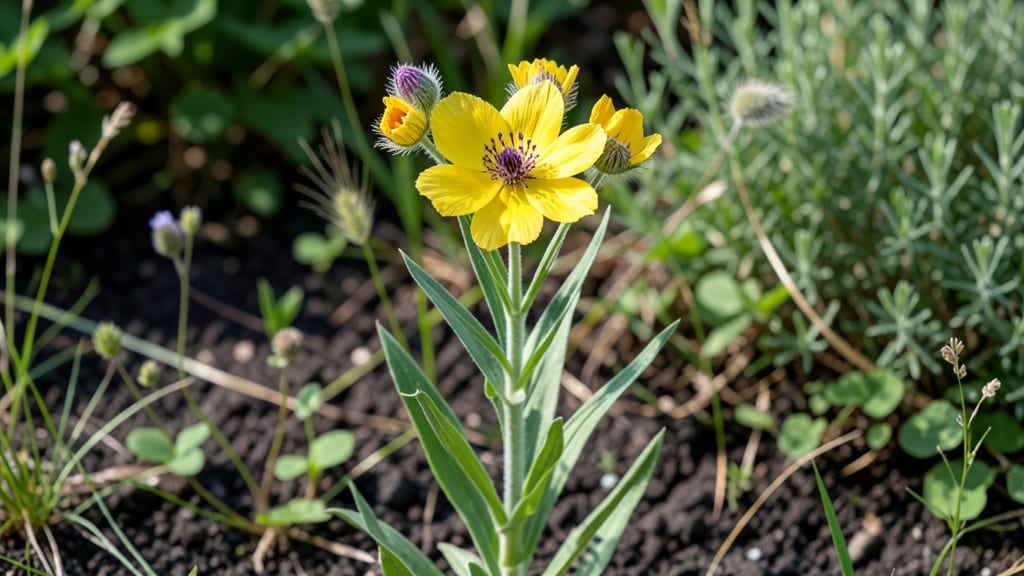
Growing plum poppy (Macleaya cordata) is like adding a touch of drama to your garden—its striking foliage and airy plumes make it a standout. 🌿 I fell in love with this plant after seeing how it thrived in my partially shaded border, where other plants struggled.
The secret lies in its adaptability: it handles sun or shade, making it perfect for tricky spots in your yard.
This plant is a breeze to grow once you know its preferences: moist but well-drained soil and regular watering (especially in hot weather). It spreads easily from seed or cuttings, so you can fill gaps in your garden without breaking the bank.
The foliage alone is a conversation starter—deep green with purple stems that glow in the light.
By mid-summer, you’ll be rewarded with feathery plumes that sway in the breeze, attracting pollinators and deterring pests like aphids. The best part? It’s hardy enough to bounce back after frost, so you get multiple seasons of impact.
Just watch for mildew in humid climates and leggy growth if it’s too crowded.
Whether you’re planting in a sunny meadow or a shady corner, plum poppy delivers year after year with minimal fuss. It’s the kind of plant that makes gardening feel effortlessly rewarding—no green thumb required.
📚 In This Guide
- What you need
- Instructions
- Tips and common mistakes
- Wrapping up and next steps
What you need
- ● Plum poppy seeds: High-quality, fresh seeds (purchase from a reputable nursery or supplier). Quantity: 5–10 seeds per pot or 100+ for outdoor planting.
- ● Well-draining potting mix: A blend of peat moss, perlite, and coarse sand (ratio: 2:1:1). Quantity: 1–2 gallons per pot.
- ● Containers or garden bed: For seedlings: 4–6 inch pots with drainage holes.
- ● For mature plants: 12+ inch pots or garden beds with loose, rocky soil.
- ● Grow lights or sunny window: A south-facing window or LED grow light (12–16 hours/day for seedlings).
- ● Misting bottle or spray nozzle: For gentle watering (avoid over-saturation).
- ○ Fertilizer (optional but helpful): Balanced liquid fertilizer (e.g., 10-10-10) diluted to half-strength for seedlings.
- ● Slow-release granular fertilizer (e.g., 5-10-10) for mature plants.
- ● Hand trowel or seedling tray: For planting seeds at ¼-inch depth.
- ○ Gloves (optional): To protect hands from soil or prickly stems.
- ● Humidity dome or plastic wrap: To retain moisture for seedlings (remove after germination).
- ○ pH testing kit (optional): Plum poppies prefer slightly acidic to neutral soil (pH 6.0–7.0).
- ○ Mulch (optional): Pebbles or gravel to mimic their natural rocky habitat and improve drainage.
Step-by-Step instructions for growing plum poppy plants
Here’s how to cultivate these striking annuals—whether you’re planting seeds or transplanting starts.
🌱 Step 1: Choose the Right Location and Soil
Plum poppies thrive in well-draining soil with a pH between 6.0 and 7.0. If your garden soil is heavy clay, mix in 2-3 inches of compost to improve drainage. These plants tolerate both full sun (6+ hours daily) and partial shade (3-6 hours), making them versatile for almost any sunny or lightly shaded spot.
Before planting, loosen the soil to a depth of 12 inches with a garden fork. This helps roots establish quickly, especially in denser soil. If you’re growing in containers, ensure pots have drainage holes and use a lightweight potting mix blended with perlite for extra aeration.
🌱 Step 2: Plant Seeds or Transplants at the Right Time
For direct sowing, plant seeds ½ inch deep in early spring, 2-3 weeks before your last frost date. If your climate has hot summers, you can also sow seeds in late summer for a fall display. Space seeds 12-18 inches apart—they’ll spread as they grow, so avoid overcrowding.
If using transplants, wait until after the last frost when soil temperatures reach at least 50°F. Gently remove seedlings from their nursery pots, loosen the roots if they’re root-bound, and place them in the prepared soil at the same depth they were growing in their container. Water deeply to settle the soil around the roots.
💧 Step 3: Water Consistently Without Overdoing It
Plum poppies are drought-tolerant once established, but young plants need 1 inch of water per week to encourage strong root growth. Water at the base of the plant in the morning to reduce evaporation and fungal risks. Avoid wetting the foliage, as this can lead to mildew in humid conditions.
Let the top 1-2 inches of soil dry out between waterings—this prevents root rot and encourages deeper root development. Once the plants are a few inches tall, you can reduce watering slightly, as they’ll be more resilient to dry spells.
☀️ Step 4: Provide Support for Tall Varieties and Deadhead for Longer Blooms
Taller plum poppy varieties (like ‘Black Net’ or ‘Pink Chiffon’) may need staking to prevent flopping, especially in windy areas. Insert 3-foot stakes near the plant at planting time and loosely tie stems with soft plant ties as they grow. This keeps blooms upright without restricting growth.
To prolong flowering, deadhead spent blooms by pinching off faded flowers with your fingers or pruning shears. This encourages the plant to produce more blooms instead of setting seed. Cut back stems by ⅓ of their height after the first flush of flowers to promote a second round of blooms in late summer.
✂️ Step 5: Harvest Seeds and Prepare for Next Season
If you want to save seeds for next year, allow some blooms to mature on the plant. Once the seed pods turn brown and dry, gently twist them off and collect the seeds. Store them in a cool, dry place until spring planting. Plum poppy seeds remain viable for 2-3 years if stored properly.
After the first frost, cut back the stems to 2 inches above the ground and add the remaining plant material to your compost pile. The roots will die back in cold climates, but the seeds will resprout in spring if left undisturbed.
Tips & tricks for growing plum poppies
Took me years to figure out these tricks after struggling with floppy stems and lackluster blooms.
Soil Prep Matters: The 12-inch soil loosening in Step 1 isn't just about roots—it's about breaking up compaction that can strangle young roots. I use a garden fork to create vertical channels that let water drain properly. For containers, I double-check drainage holes before planting because soggy roots will kill your poppies faster than anything else.
Timing is Everything: Those 2-3 weeks before last frost in Step 2 are critical for germination. I've learned to check my local frost dates online and mark the calendar—planting too early in cold soil can rot seeds. For late summer planting, aim for 8-10 weeks before your first fall frost to give plants time to establish before cold sets in.
Watering Wisdom: The 1-2 inches of dry soil between waterings in Step 3 is a perfect balance. I use my finger to check moisture—if the top 2 inches feel dry, it's time. Morning watering prevents fungal issues, and I always water at the base to keep those delicate petals dry. The first few weeks are the most critical for consistent moisture.
Support System: Those 3-foot stakes in Step 4 aren't just for show—they're essential for tall varieties. I place stakes when I transplant, not after the plant grows, because moving established plants stresses them. For windy areas, I add a second stake at a 45-degree angle for extra stability without damaging stems.
Pro Tips for Plum Poppy Plant
- Took me years to figure out these tricks after struggling with floppy stems and lackluster blooms.
- Soil Prep Matters: The 12-inch soil loosening in Step 1 isn't just about roots—it's about breaking up compaction that can strangle young roots.
- Timing is Everything: Those 2-3 weeks before last frost in Step 2 are critical for germination.
Frequently asked questions
Got questions about growing plum poppy plants? You’re not alone! Here are some of the most common queries—plus quick, practical answers to help you cultivate these striking blooms with confidence.
How long does it take for plum poppies to bloom after planting?
Plum poppies (Macleaya cordata) typically take 60–90 days to bloom from seed, depending on temperature and light. If you’re starting with nursery plants, expect flowers in 4–6 weeks. Patience pays off—these bold, smoky blooms are worth the wait! For faster results, opt for established plants in spring.
Can plum poppies grow in shade? Are they really shade-tolerant?
Yes! While they thrive in full sun to partial shade, plum poppies are one of the few shade-tolerant perennials that still deliver dramatic color. In shadier spots, they may grow taller and leafier but still produce flowers. Just ensure at least 4–6 hours of indirect light daily for best performance.
Why aren’t my plum poppy seeds germinating? Troubleshooting tips.
Plum poppy seeds can be finicky! Try these fixes:
- Cold stratification: Chill seeds in the fridge for 2–4 weeks before planting to mimic winter.
- Light exposure: These seeds need light to germinate—don’t bury them; press them 1/8 inch deep into moist soil.
- Consistent moisture: Keep soil damp (not soggy) until sprouts appear, usually in 2–4 weeks.
- Patience: Some seeds take up to 3 months—don’t give up!
Are plum poppies toxic to pets or humans? Safety concerns.
Yes, all parts of the plum poppy are toxic if ingested, thanks to their saponin content. Symptoms in pets (or kids) may include drooling, vomiting, or skin irritation. Keep plants out of reach, and wash hands after handling. If concerned, consult a vet or poison control center immediately.
What’s a good alternative if I can’t grow plum poppies?
If you’re after dramatic, low-maintenance plants with similar height and texture, try these shade-tolerant swaps:
- Cimicifuga racemosa (Bugbane): Tall, feathery blooms; thrives in shade.
- Heuchera (Coral Bells): Bold foliage in shades of purple, silver, or lime.
- Astilbe: Plume-like flowers in pink, white, or red; loves moisture.
- Hosta: Classic shade plant with variegated leaves (but watch for slugs!).
Pro Tip: Deadhead spent blooms to encourage more flowers and prevent self-seeding where you don’t want it!
Wrapping up and next steps
Growing a plum poppy plant is a rewarding journey that brings vibrant color and texture to your garden—whether in sun-drenched spots or shady corners! 🌸 With the right soil, spacing, and care, these striking blooms will thrive and become a standout feature in your landscape.
Whether you're a seasoned gardener or just starting out, their low-maintenance charm makes them a fantastic addition.
Ready to dive in? Start by gathering your supplies, then pick a sunny or partially shaded spot in your garden. Plant your plum poppy seeds or bulbs, and soon you’ll be enjoying their bold, velvety blooms. Happy gardening! 🌿