
Planting
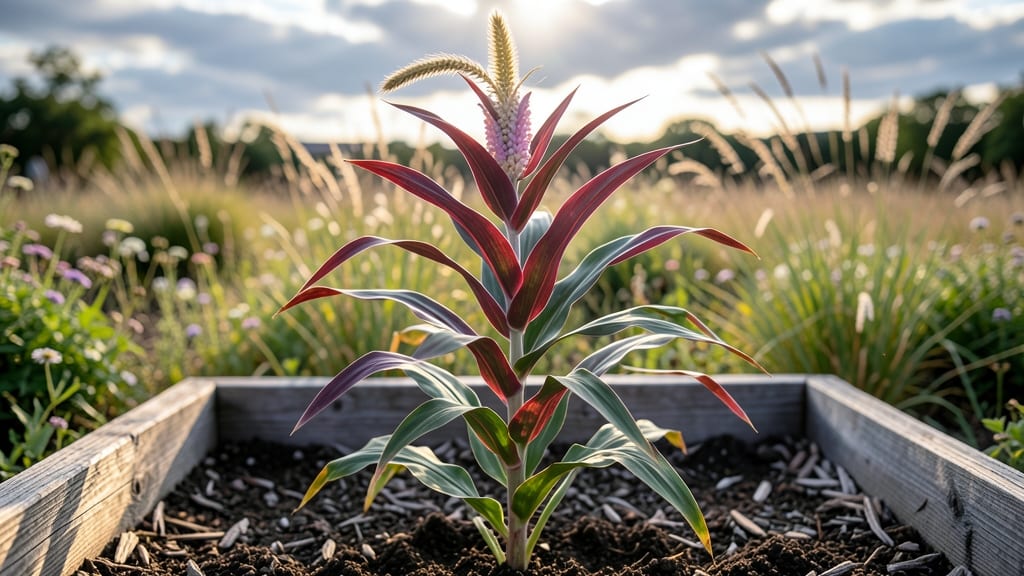
The popcorn plant (Caryopteris incana) is a hardy perennial, not an annual, returning each year with proper care in most climates. Its woody stems regrow after winter dormancy, making it a long-term garden staple.
The popcorn plant's perennial nature comes from its deep root system and cold-resistant stems, which survive winter freezes in USDA zones 5-9. 🌱 Unlike annuals that die completely after one season, this shrub often regrows from its base even after severe cold, though heavy frost may kill back foliage.
I've seen it bounce back spectacularly in spring with minimal intervention—just a light pruning to encourage new growth.
This means you won't need to replant every year, but your care routine matters. Mulching in winter and proper pruning in late winter/early spring help maintain its vigor. The key difference from annuals is that popcorn plants build resilience over time, rewarding patient gardeners with years of fragrant lavender blooms.
💡 In This Article
- Why Popcorn Plant Thrives as a Perennial in Gardens
- Caring for Popcorn Plant Year-Round: Pruning and Protection Tips
Why popcorn plant thrives as a perennial in gardens
The popcorn plant's (Caryopteris incana) perennial status stems from its woody base and deep taproot system, which stores nutrients and moisture year-round. Unlike annuals that rely solely on seasonal growth, this shrub develops a hardy lignified stem that persists through winter dormancy.
In USDA zones 5-9, these stems can survive temperatures down to -20°F (-29°C), though foliage may crisp in extreme cold. 🌱
Botanically, its deciduous habit means it sheds leaves in winter but retains the living cambium layer beneath the bark—this is what regrows in spring. The root system extends 12-18 inches deep, anchoring the plant and accessing water during dry periods.
This contrasts sharply with annuals like marigolds, which have shallow roots and complete life cycles in one season. The popcorn plant's secondary growth (thickening stems) further reinforces its perennial nature.
Seasonal regrowth follows a predictable pattern: late winter/early spring sees new shoots emerge from the woody base, often within 2-4 weeks of consistent temperatures above 40°F (4°C). The plant's semi-evergreen nature in warmer zones (8-9) means some foliage may persist year-round, while colder zones (5-6) experience full dormancy.
This adaptability explains why it thrives in diverse climates from the Pacific Northwest to the Mid-Atlantic.
What most gardeners overlook is how pruning timing affects perennial vigor. Cutting back too early (before new growth starts) removes the plant's energy reserves, while waiting too late (after buds form) reduces flowering potential.
The sweet spot is late winter pruning—just as buds swell but before leaves emerge. This practice stimulates basal branching, creating a bushier plant with more blooming sites. 🌿
Consider this comparison: A well-established popcorn plant in zone 6 might reach 3-4 feet tall with 2-3 years of growth, while an annual would max out at 1-2 feet in its single season. The perennial's cumulative growth makes it a low-maintenance investment compared to replanting annuals yearly.
Even in containers, with proper winter protection (like moving to a sheltered spot), it can live 5+ years—far exceeding annual expectations.
One fascinating detail is how the plant's fragrant lavender blooms actually serve as a survival mechanism. The flowers attract pollinators that also help disperse seeds, but the real advantage is the woody stems' ability to photosynthesize even when leafless—a trait rare among perennials.
This means your popcorn plant is actively storing energy during winter's dormant phase, setting it up for a stronger spring comeback. 💫