
Planting
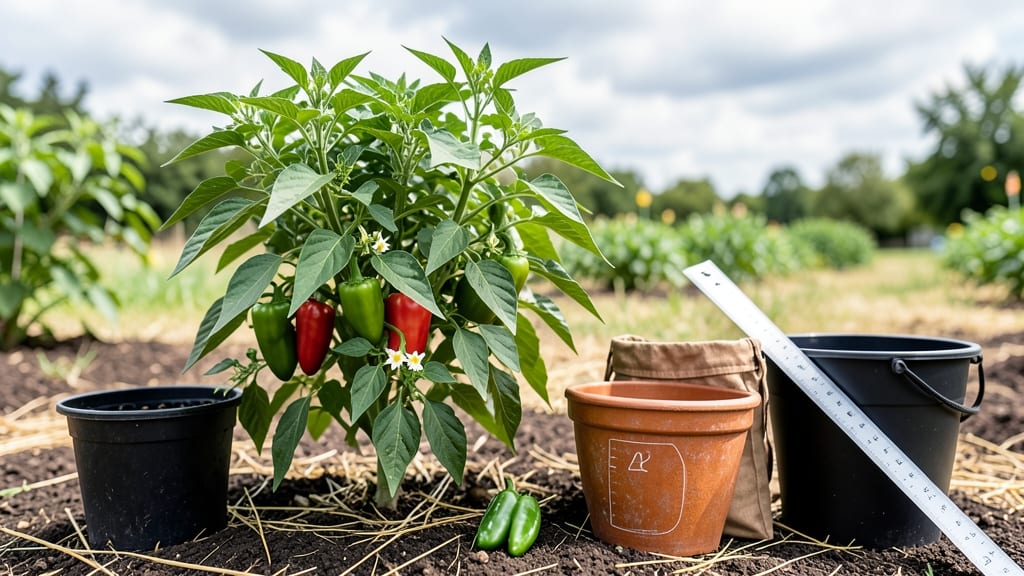
A 5-gallon pot size for jalapeño plant is the sweet spot for growing 🌶️—it gives their roots room to spread while keeping them happy in containers.
You’ve probably heard that jalapeños need space, but cramming them into a tiny pot means stunted growth and fewer peppers. A 5-gallon container strikes the perfect balance, letting your plant thrive without overwhelming your balcony or patio.
Whether you’re a first-time gardener or a seasoned grower, the right pot size makes all the difference. Too small, and you’ll fight for every pepper; too big, and you waste space and resources.
I’ll show you how to pick the best container, avoid common mistakes, and keep your jalapeños productive all season.
From drainage tips to companion planting ideas, this guide covers everything you need to know for a bountiful harvest—no guesswork required.


Why a 5-Gallon pot maximizes jalapeño growth and yield
Jalapeño plants thrive in 5-gallon containers because their root systems need room to spread without becoming root-bound. Unlike smaller pots that restrict growth, a 5-gallon pot provides the ideal balance of space and stability for healthy development.
This size supports stronger roots, better nutrient absorption, and ultimately, a higher yield of peppers.
The root zone in a 5-gallon pot allows jalapeños to develop a robust network, which translates to more energy for fruit production.
Smaller pots (like 1-gallon) often lead to stunted growth and fewer peppers, while oversized pots (like 15-gallon) can cause excess moisture retention, increasing the risk of root rot.
A 5-gallon pot is perfect because it matches the mature size of jalapeño plants, which typically reach 2-4 feet tall with a sprawling root system. This container size ensures the plant has enough space to establish itself without wasting resources on unnecessary soil volume.
| Pot Size | Root Space | Yield Impact | Best For |
|---|---|---|---|
| 1-Gallon | Extremely limited | Stunted growth, few peppers | Seedlings only |
| 3-Gallon | Restricted | Moderate yield, early flowering | Short-term growth |
| 5-Gallon | Optimal | Maximized yield, healthy roots | Full-season growth |
| 10-Gallon | Excessive | Slower growth, moisture issues | Large varieties only |
| 15-Gallon | Overly spacious | Risk of root rot | Not recommended |
One of the biggest mistakes gardeners make is using pots that are too small. When roots become crowded, the plant diverts energy to root growth instead of producing peppers.
This leads to fewer harvests and weaker plants. A 5-gallon pot prevents this by giving roots the space they need to expand naturally.
Nutrient uptake is another critical factor. Larger pots hold more soil, which means more nutrients and organic matter for the plant to absorb. A 5-gallon pot strikes the perfect balance—it’s big enough to support steady nutrient flow but not so large that it becomes difficult to manage or water efficiently.
Jalapeños also benefit from the stability a 5-gallon pot provides. Wind and weather can knock over smaller containers, damaging the plant. A 5-gallon pot is heavier and more stable, reducing the risk of accidents that could harm your plant or limit its growth.
If you’re growing multiple jalapeño plants, consider using larger containers (like 7-10 gallons) to accommodate more than one plant per pot. However, for a single jalapeño, a 5-gallon pot is ideal—it’s large enough for a full harvest but small enough to keep maintenance manageable.
To maximize your jalapeño’s potential in a 5-gallon pot, use a well-draining potting mix with added compost. This ensures the roots get the oxygen and nutrients they need while preventing waterlogging. Avoid garden soil, as it can compact and reduce drainage.
Finally, monitor your plant’s growth closely. If you notice roots circling the pot’s edges or the plant becoming top-heavy, it’s time to consider upgrading to a larger container. But for most gardeners, a 5-gallon pot will deliver the best results with minimal effort.
Best container materials and drainage for jalapeño pots
When growing jalapeños in containers, the material you choose affects drainage, root health, and even temperature regulation. Not all pots are created equal—some retain too much moisture, while others dry out too quickly.
For jalapeños, breathability and drainage holes are non-negotiable to prevent root rot and ensure strong growth.
I’ve grown jalapeños in fabric grow bags, plastic containers, and terracotta pots, and each has its own quirks. Fabric pots, for example, allow roots to breathe and dry faster, but they can dry out too quickly in hot climates.
Plastic holds moisture longer but may trap heat. Meanwhile, terracotta wicks moisture away naturally but can crack in freezing temps. Let’s break down the best options for your jalapeño setup.
Container Material Comparison for Jalapeños
Fabric Grow Bags
- Excellent root aeration
- Prevents overwatering by drying faster
- Easy to repot when roots outgrow
- Dries out too quickly in heat
- Less insulation in cold weather
- Can degrade over 2-3 seasons
Plastic Containers
- Lightweight and durable
- Retains moisture longer
- Affordable and versatile shapes
- Traps heat in sunny climates
- Poor drainage if holes aren’t added
- Can leach nutrients over time
Terracotta Pots
- Natural moisture wicking
- Breathable and prevents rot
- Aesthetic and classic look
- Heavy when wet
- Cracks in freezing temps
- Dries out too fast in wind
Self-Watering Pots
- Reduces overwatering risk
- Consistent moisture levels
- Great for beginners
- More expensive upfront
- Can overwater if not monitored
- Limited size options
No matter which material you choose, drainage is the most critical factor. Jalapeños hate soggy roots, so every container must have drainage holes at the bottom. If using a pot without holes (like some plastic buckets), drill them yourself—4-6 holes for a 5-gallon container is ideal.
For extra protection, add a 1-inch layer of gravel or broken pottery at the bottom to prevent clogging.
For fabric grow bags, I recommend adding a water reservoir tray underneath to catch excess moisture while still allowing airflow. This balances the fast-drying nature of fabric with consistent hydration. If you’re in a hot climate, mulch the soil surface with straw to retain moisture without suffocating roots.
In cooler areas, wrap the pot in bubble wrap during chilly nights to protect tender roots.
One mistake I see often is skipping the drainage layer or using pots without holes. I once grew jalapeños in a decorative plastic planter without drainage—by mid-summer, the roots were rotting, and the plant wilted despite daily watering.
Always prioritize drainage over aesthetics. If you love the look of a pot without holes, place it inside a larger container with drainage and fill the gap with