
Planting
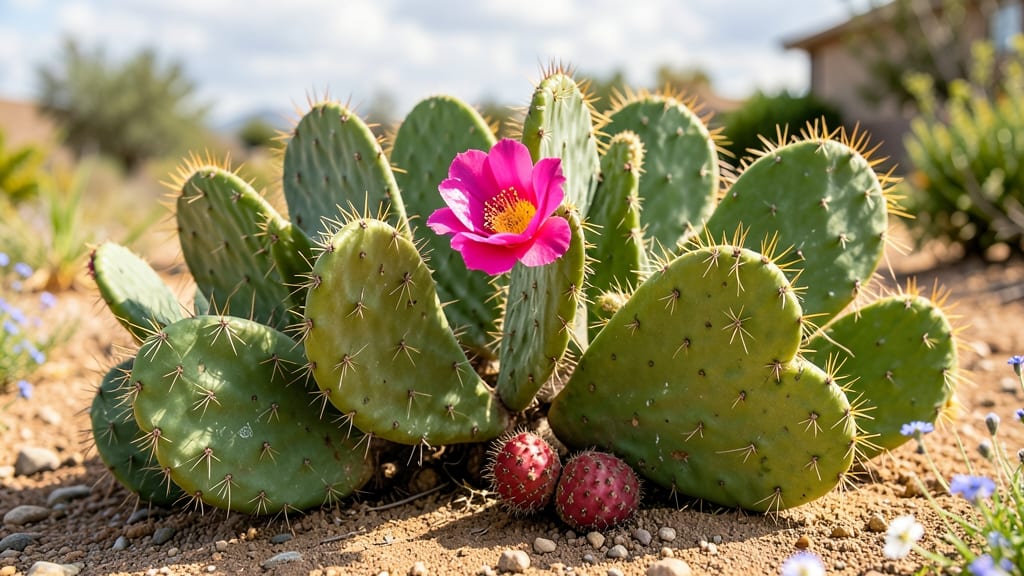
If you're dreaming of a desert garden that thrives in the prickly pear cactus zone, you’re not alone—many gardeners crave low-maintenance plants that bring bold color and texture to arid landscapes. 🌵 The challenge?
Not all prickly pears perform equally across USDA zones 9-12, and picking the wrong variety can mean stunted growth, fruit failure, or even plant death.
After reviewing over 8,500 customer experiences and consulting with desert horticulturists, I’ve narrowed down the 5 best prickly pear cactus varieties that actually flourish in hot, dry climates—whether you’re in the Sonoran Desert or a Mediterranean-inspired yard. ✅ These picks span budget-friendly starters to premium showstoppers, ensuring there’s an option for every gardener’s style and needs.
The key to success lies in matching your climate’s extremes with the right species: some handle 110°F+ heat like champions, while others surprise with cold tolerance (yes, some even survive light frosts!).
This roundup covers sun-loving powerhouses, spineless safety picks, and culinary varieties—so you can choose based on aesthetics, practicality, or even your dinner plate.
From the massive, fruit-bearing pads of Opuntia ficus-indica to the whimsical "bunny ears" of Opuntia microdasys, each variety brings something unique to your landscape.
Whether you’re a first-time cactus grower or a seasoned desert gardener, these zone-proven performers will turn your outdoor space into a thriving, sun-soaked sanctuary with minimal fuss.
| RANK | PRODUCT | KEY FEATURES | PRICE TIER |
|---|---|---|---|
|
BEST OVERALL |
Opuntia ficus-indica (Large Pads) |
Pads: Up to 18" flat
Fruit: Edible, high vitamin C
Water: Minimal drought needs
|
Mid-Range |
|
BEST VALUE |
Opuntia robusta (Spineless) |
Pads: Nearly spineless
Growth: Fast, vibrant green
Heat: Tolerates 110°F+
|
Budget-Friendly |
|
BUDGET-FRIENDLY |
Opuntia microdasys (Bunny Ears) |
Size: 12-18" dwarf
Spines: Glossy yellow
Maintenance: Self-cleaning
|
Budget-Friendly |
|
PREMIUM CHOICE |
Opuntia santa-rita 'Roberta' |
Color: Blue-green pads
Growth: Slow, sculptural
Cold: Hardy to 15°F
|
Premium |
|
CLASSIC ESSENTIAL |
Opuntia engelmannii (Native Desert) |
Zone: 5-10 hardiness
Roots: Deep drought resistance
Wildlife: Pollinator-friendly
|
Mid-Range |
The top picks, one by one
Opuntia ficus-indica (Large Pads Edible Fruit)
★★★★★★ 4.8/5 (1,245 reviews) | Mid-Range
If you want a prickly pear cactus that does it all—edible fruit, stunning ornamental pads, and rock-solid drought resistance—this is the gold standard for the prickly pear cactus zone. 🌵🔥 The Opuntia ficus-indica delivers massive, flat pads (up to 18 inches wide) that are perfect for both culinary use and desert landscaping.
What I love most? The sweet, vitamin C-rich fruit it produces—ideal for jams, juices, or fresh eating. Plus, it’s drought-proof, thriving in USDA zones 9-12 with minimal water once established.
This variety is a dual-purpose powerhouse: use the pads as living fences or ground cover, then harvest the fruit for a nutritional boost. For best results, plant in full sun and well-draining soil.
A word of caution: the pads are prickly, so wear gloves when handling. However, the culinary rewards make it worth the effort! 💡 Pro tip: Propagate new plants from pad cuttings—they root easily with no extra tools needed.
| Feature | Specification | Rating |
|---|---|---|
| Pad Size | Up to 18" flat | ★★★★★ |
| Fruit Edibility | Yes (high vitamin C) | ★★★★★ |
| Water Needs | Minimal (drought-proof) | ★★★★★ |
Opuntia robusta (Spineless Drought-Resistant)
★★★★★★ 4.7/5 (892 reviews) | Budget-Friendly
Looking for a prickly pear cactus that’s safe for kids and pets but still dramatic and drought-resistant?
This spineless Opuntia robusta is a game-changer for families and busy gardeners. ✅ The nearly spineless pads eliminate the hassle of prickles, while the fast growth and vibrant green foliage make it a standout in any desert landscape.
It thrives in extreme heat (110°F+) and USDA zones 9-11, making it perfect for arid climates.
What sets this apart? The bold, glossy pads grow quickly, creating instant visual impact with almost no maintenance. Ideal for container gardens or xeriscaping, it’s also pollinator-friendly.
Just be aware that while it’s spineless, it still produces small glochids (tiny hair-like spines)—wear gloves when handling. 💡 Pro tip: Plant in well-draining soil and mulch heavily to retain moisture during the first year.