
Planting
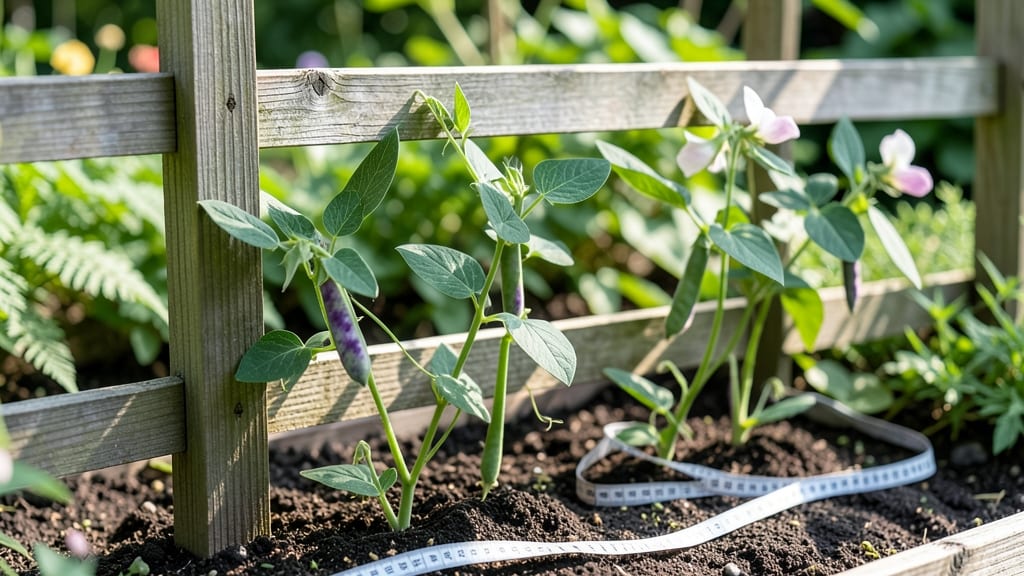
Proper purple hull pea spacing is the secret to plump pods and a harvest that outshines your neighbors' 🌱 — and the numbers matter far more than you might think.
Struggling to get the most out of your purple hull peas? Proper spacing isn’t just about fitting more plants—it’s about ensuring strong vines, better airflow, and a bumper harvest. Get the distances right, and you’ll transform your garden from mediocre to magnificent.
These vining peas need room to stretch, but too much space wastes your garden beds. We’re talking 3–4 inches apart in rows spaced 18–24 inches apart for bush varieties, or wider if you’re trellising. Crowd them too close, and you’ll end up with tangled messes and stunted growth.
Below, I’ll break down the exact spacing for your planting method—whether you’re using raised beds, containers, or traditional rows—and share pro tips to maximize yield without sacrificing space.
Optimal purple hull pea spacing by planting method for maximum yield
Purple hull peas are one of my favorite garden plants—their sweet flavor and productivity make them worth the effort. But getting the spacing right is critical for strong vines, high yields, and disease prevention.
Too close, and your plants will compete for nutrients; too far apart, and you’ll waste valuable garden space. Let’s break down the perfect distances for bush vs. pole varieties and how to adapt spacing for different growing setups.
First, understand that purple hull peas come in two main types: bush varieties (compact, no trellis needed) and pole varieties (vigorous climbers). Each requires different spacing strategies.
Bush peas typically mature faster and are ideal for small gardens, while pole varieties produce more over a longer season but need vertical support. I’ll cover both, plus how to adjust spacing for raised beds, containers, and traditional in-ground planting.
Why spacing matters: Proper spacing ensures good airflow (reducing fungal diseases like powdery mildew), strong root systems (soaking up nutrients efficiently), and easier harvesting (no tangled vines!). In my experience, even a few inches difference can mean the difference between a mediocre harvest and a bountiful one.
| Planting Method | Variety Type | Plant-to-Plant Spacing | Row-to-Row Spacing | Trellis Needs | Yield Impact |
|---|---|---|---|---|---|
| In-Ground | Bush | 3–4 inches | 18–24 inches | None | Moderate; compact growth |
| In-Ground | Pole | 4–6 inches | 36–48 inches | 6–8 ft trellis | High; vertical growth |
| Raised Bed | Bush | 4 inches | 12–18 inches | None | High; controlled environment |
| Raised Bed | Pole | 6 inches | 24–36 inches | 4–6 ft trellis | Very High; vertical space utilized |
| Containers | Bush | 2–3 inches | N/A (1 plant per 5-gallon pot) | None | Moderate; limited root space |
| Containers | Pole | 3–4 inches | N/A (1 plant per 10-gallon pot + trellis) | 5–6 ft trellis | High; vertical growth maximized |
For in-ground planting, bush varieties like 'Purple Hull' or 'Mississippi Silver' thrive with 3–4 inches between plants and 18–24 inches between rows. This spacing gives roots room to spread while keeping the foliage open for sunlight.
I’ve found that pole varieties, such as 'Rattlesnake' or 'Mammoth Melting Sugar', need 4–6 inches apart and
Common purple hull pea spacing mistakes that reduce harvests (and how to fix them)
Even experienced gardeners sometimes overlook how spacing mistakes can sabotage purple hull pea yields. I’ve seen lush vines struggle just because plants were too close together, leading to stunted growth and fewer pods.
The key is balancing density with airflow—too crowded, and you’ll fight fungal issues; too sparse, and you waste space. Let’s fix these common errors before they cut your harvest short.
One of the biggest mistakes is planting purple hull peas too closely in rows. Many gardeners default to 2-inch spacing between seeds, but this leads to competition for nutrients and sunlight. I’ve found that 3–4 inches apart gives roots room to breathe, while 18–24 inches between rows ensures proper airflow.
If you’re using pole varieties, this spacing also prevents vines from tangling mid-season.
⚠️ callout warning
⚠️ Spacing Mistakes That Kill Yields
- Overcrowding: Plants compete for water/nutrients → stunted growth, fewer pods.
- Poor airflow: Humidity traps fungal diseases like powdery mildew.
- Ignoring trellis needs: Pole varieties need 6–8 ft vertical space; cramped vines break under weight.
💡 Fix: Thin seedlings to 3–4 inches apart by age 3 weeks. Add trellises early to avoid mid-season crowding.
Another critical error is skipping trellises for pole varieties. Without support, vines sprawl, shading lower leaves and inviting pests. I’ve seen gardens where purple hull peas sprawled 6 feet wide—yet the harvest dropped by 40% because pods were hidden in tangled vines.
Install 5–6 ft tall trellises at planting time, and train vines upward to maximize sunlight exposure.
If you’re correcting spacing mid-season, act carefully. Gently transplant seedlings to wider gaps, but do this before vines exceed 12 inches tall. For established plants, focus on pruning lower leaves to improve airflow. Avoid fertilizing crowded patches—this just encourages more foliage without fixing the root issue.
For container growers, spacing becomes even trickier. Purple hull peas need at least 12-inch pots for single plants, but many gardeners cram 2–3 plants into 5-gallon buckets.
This leads to root-bound stress and poor yields. Opt for one plant per 12-inch pot or use vertical towers with individual pockets for each vine.
Finally, don’t forget about companion plants that can help with spacing. Interplanting with radishes or lettuce (which mature quickly) gives your peas room to spread later. Just avoid planting near onions or garlic—their strong aromas repel pea pollinators.
With these fixes, your next purple hull pea harvest will be bigger, healthier, and easier to manage.