
Planting
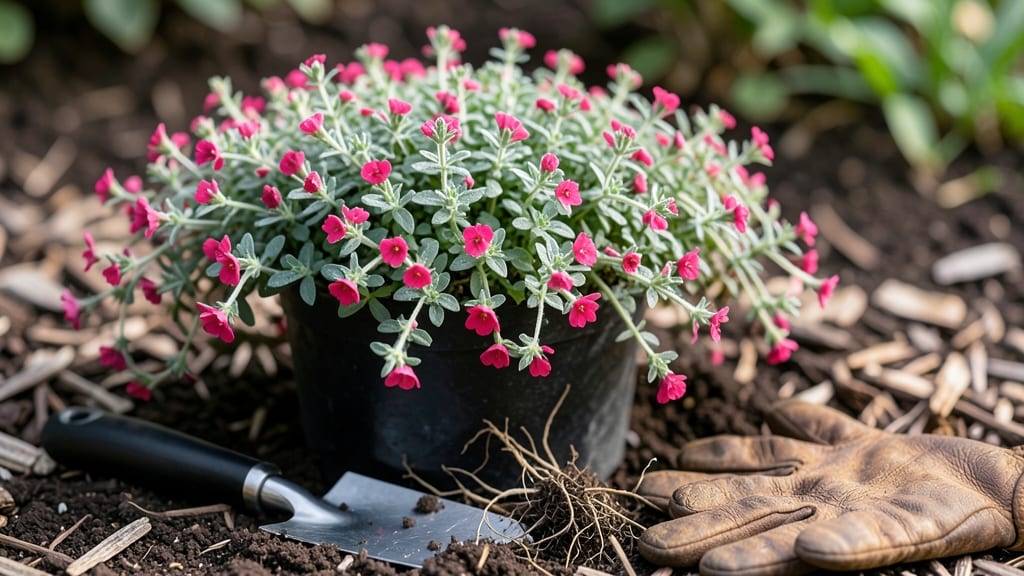
To plant red creeping thyme in Texas, choose between late February to early April for spring or September to early October for fall, matching Texas hardiness zones 7-10 to avoid extreme summer heat or winter frosts.
Texas's hot summers and mild winters create ideal conditions for red creeping thyme when planted during these windows. 🌿 The plant thrives in zones 7-10 because it can handle Texas's dry heat once established, but young plants need cooler temperatures to develop strong roots.
Spring planting gives thyme time to grow before summer's peak, while fall planting avoids winter dormancy challenges. I've found that preparing the soil with compost and ensuring full sun exposure makes all the difference in Texas's clay-heavy soils.
For best results, space plants about 12 inches apart in well-draining soil with minimal watering once established. Red creeping thyme's drought tolerance makes it perfect for Texas landscapes, but proper timing ensures it flourishes from the start.
💡 In This Article
- Texas Hardiness Zones and Climate Factors for Red Creeping Thyme
- Step-by-Step Planting Schedule for Texas Gardens
Texas hardiness zones and climate factors for red creeping thyme
Texas spans hardiness zones 7-10, and red creeping thyme thrives in this range because it's naturally adapted to handle both mild winters and intense summers. The key factor is how these zones influence soil temperature thresholds—thyme needs soil temps between 55-65°F for optimal germination and root development.
In zones 7-8 (north Texas), spring planting in late February avoids late frosts, while zones 9-10 (south Texas) benefit from fall planting in September to escape summer's 100°F+ heat waves that can stress young plants.
The plant's drought resistance comes from its deep root system that can reach 12-18 inches below soil, accessing moisture Texas's clay-heavy soils often retain. However, young plants need consistent moisture during establishment—watering 1-2 times per week for the first 4-6 weeks after planting helps roots penetrate the dense soil.
What most gardeners don't realize is that thyme's heat tolerance kicks in once established, but young plants can suffer from heat shock if planted too early in zones 9-10.
Texas's climate creates unique challenges: summer droughts and winter freezes. The plant's cold hardiness extends to 10°F with proper mulching, but zone 7 areas may need winter protection.
I've seen red creeping thyme survive Texas winters when planted in fall—its growth slows but doesn't die back completely, giving it a head start in spring. The plant's ability to go semi-dormant during extreme heat makes it perfect for Texas's 300+ sunny days per year.
Soil preparation is critical in Texas's alkaline soils (pH 7.5-8.5). Amending with compost improves drainage while adding organic matter helps retain moisture. Red creeping thyme prefers 6.0-7.0 pH, so a light sulfur application can help adjust overly alkaline soils.
The plant's ability to thrive in poor soils makes it low-maintenance once established, but proper soil prep during planting makes all the difference in Texas's challenging growing conditions.
Consider these key climate factors when planning:
- Zone 7-8: Spring planting avoids late frosts (28°F minimum temps)
- Zone 9-10: Fall planting escapes summer's 100°F+ heat stress
- Drought tolerance: Mature plants need 1 inch water/week or less
- Heat adaptation: Established plants handle 110°F with proper mulch
The plant's vibrant red foliage actually intensifies in Texas's bright sunlight, making it a standout ground cover. Its ability to spread 6-12 inches per year creates dense mats that suppress weeds naturally—ideal for Texas's hot, dry conditions where traditional lawns struggle.