
Plants
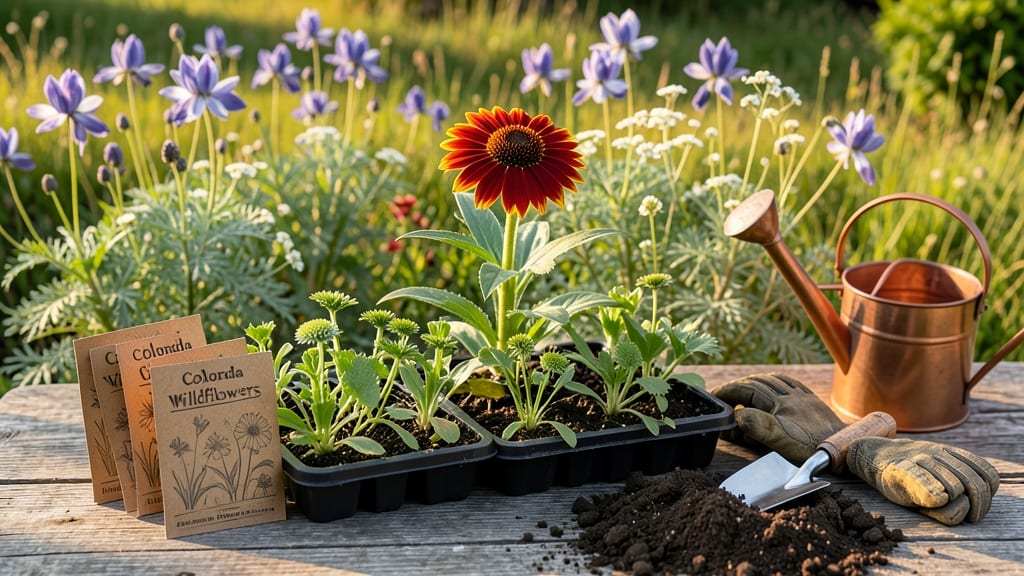
To plant in Colorado, timing varies by elevation and hardiness zones: begin cool-season crops like lettuce and peas in late March to early April at lower elevations (Zones 5-7), while high-altitude areas (Zones 3-4) should wait until May. Warm-season plants like tomatoes and peppers need to wait until after the last frost, typically May to June, with mountain regions requiring even later starts.
Colorado's diverse elevations create unique planting challenges. Lower elevations (like Denver) often see last frosts around May 10-20, while mountain areas can experience frost until June 1 or later. I always check the USDA Plant Hardiness Zone Map for my specific area—it’s the best way to avoid frost damage.
For example, Zone 4 gardeners in the Rockies might need to wait until mid-June for tomatoes, while Zone 6 growers in the Front Range can start earlier. Row covers or cold frames can extend seasons by 2-4 weeks for early or late crops.
💡 In This Article
- Colorado Planting Timelines by Elevation and Hardiness Zone
- Best Early and Late Season Plants for Colorado Gardens
Colorado planting timelines by elevation and hardiness Zone
Colorado's planting calendar is heavily influenced by its dramatic elevation shifts, which can create a 2-4 week difference in frost dates between the Front Range and mountain regions. The USDA divides Colorado into zones 3-7, but elevation is the real game-changer.
For instance, Denver (Zone 5) typically sees its last frost around May 10-15, while Aspen (Zone 4) may not be frost-free until June 10. This 1-month lag means mountain gardeners must choose fast-maturing varieties or risk losing crops to late frosts.
The science behind this involves temperature inversion layers—cold air sinks into valleys at night, creating microclimates where frost lingers even after lower elevations warm up. At 5,000 feet, you might plant peas in early April, but at 9,000 feet, you're better off waiting until May 1.
Soil temperature also plays a role: cool-season crops like spinach need soil at 40-45°F, while warm-season tomatoes require 60°F+—a difference that takes longer to achieve at higher elevations.
Here's how to adjust your planting windows by zone:
- Zones 5-7 (Front Range): Late March for peas, early April for lettuce, May 15 for tomatoes
- Zones 4 (Mountains): April 15 for peas, May 1 for lettuce, June 1 for tomatoes
- Zone 3 (Highest elevations): May 1 for peas, May 15 for lettuce, June 15 for tomatoes
What most gardeners don't realize is that elevation affects plant maturity rates too. Crops at higher elevations grow 10-20% slower due to shorter daylight hours and cooler temperatures. For example, a tomato variety that matures in 70 days at 5,000 feet might take 85 days at 8,000 feet.
This is why I always choose early-maturing varieties (look for "Early Girl" or "Stupice" labels) when gardening above 6,000 feet.
The key to success is tracking your local frost dates—use resources like the Colorado State University Extension frost maps or set up your own minimum temperature sensors.
I've found that mountain gardeners can often plant 2 weeks earlier in sheltered microclimates (like south-facing slopes) where cold air doesn't pool as deeply. For warm-season crops, wait until nighttime temperatures consistently stay above 50°F—this is your real indicator, not just calendar dates.
One pro tip: Use row covers to extend your planting window by 3-4 weeks in both spring and fall. I've successfully grown broccoli until November in Denver by using floating row covers when temperatures dip below 40°F at night.
The covers create a 5-10°F warmer microclimate while still allowing sunlight and water through.