
Planting
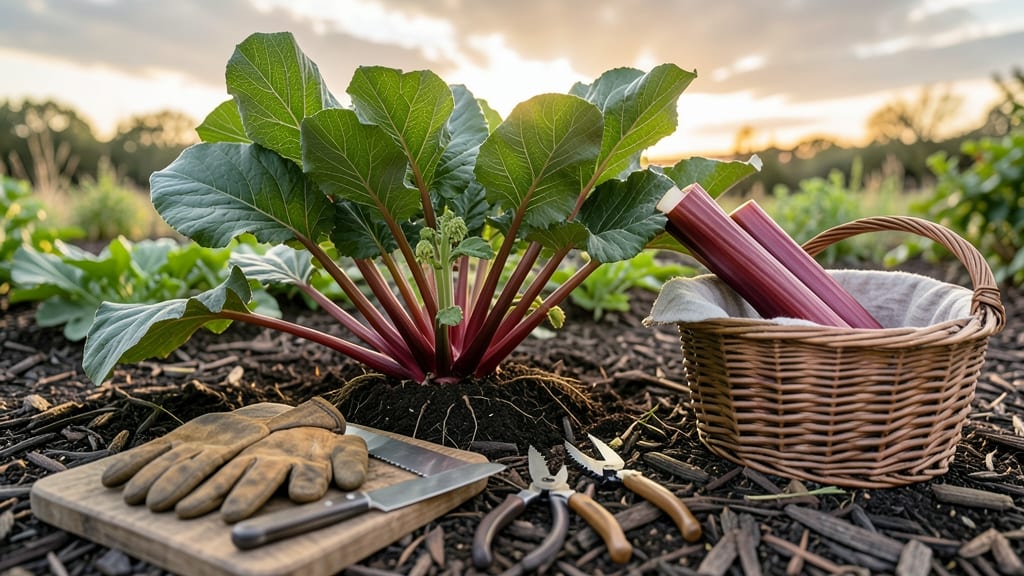
Michigan’s rhubarb season arrives like clockwork every late May to June—when those vibrant pink stalks finally emerge after a long winter. 🌱 I’ve watched my own plants push through the soil in early May, only to retreat when late frosts threaten, and I’ve learned the hard way that timing is everything for a bountiful harvest.
The key isn’t just waiting for warm weather; it’s understanding how Michigan’s unpredictable spring frosts can delay or even damage early growth.
Planting new rhubarb crowns in early spring (March-April) or fall (September-October) gives roots time to establish before winter sets in. The stalks themselves are surprisingly frost-hardy—you can harvest them even after light freezes—but the leaves (which you should never eat) are sensitive.
A thick layer of mulch in early spring protects young plants from late frosts, and by mid-June, you’ll be picking crisp stalks that taste sweeter than anything from the store.
Michigan’s farmers’ markets start stocking fresh rhubarb by late May, but homegrown beats store-bought every time. The stalks stay crisp and tart for weeks if stored properly, and you can even extend the season by planting in containers that move with the sun.
My plants produce for 8-10 weeks straight, and with proper care, they’ll come back bigger every year.
For next year’s harvest, mark your calendar: September is the best time to plant crowns for a jump-start in spring. Just avoid harvesting heavily the first year—let the plant build strength.
Michigan’s climate makes rhubarb a reliable crop, but those late spring frosts? They’ll teach you patience faster than any other plant.
📚 In This Guide
- What you need
- Instructions
- Tips and common mistakes
- Wrapping up and next steps
What you need
- ● Rhubarb crowns: 1-3 healthy, dormant crowns (choose disease-resistant varieties like ‘Victoria’ or ‘Strawberry’ for Michigan’s climate).
- ● Well-draining soil: Amend with compost (5-10 lbs per planting hole) for nutrient-rich, slightly acidic soil (pH 6.0-6.8).
- ● Loose mulch: 2-3 inches of straw or wood chips to retain moisture and suppress weeds.
- ● Garden tools: Trowel or spade (for digging planting holes 12-18 inches deep).
- ● Pruners (sharp, sterilized for cutting stalks).
- ● Garden fork (to aerate soil if compacted).
- ● Fertilizer: Balanced 10-10-10 or organic options like bone meal (apply sparingly in early spring).
- ● Watering can or hose: With a gentle spray nozzle for even moisture.
- ● Row cover: Lightweight fabric to protect young plants from late frosts (Michigan’s rhubarb season can be unpredictable!).
- ● Soil test kit: To check pH and nutrient levels before planting.
- ● Glove: A sturdy pair to handle prickly leaves and soil.
- ● Plant markers: To label varieties and planting dates (trust us, you’ll thank us later!).
- ● Companion plants: Like strawberries or lettuce to maximize space and deter pests.
How to time rhubarb planting in Michigan for peak harvests
Michigan’s cool climate makes spring the perfect window for planting rhubarb—here’s when and how to set yours up for years of crisp stalks.
☀️ Step 1: Plant Crowns in Early Spring for Strong Roots
Rhubarb thrives when planted in early April to mid-May in Michigan, before the soil warms past 60°F. I dig a 12-inch deep trench and space crowns 3-4 feet apart—this gives roots plenty of room to spread without competing. The crown’s creamy center should sit 1 inch below soil level for stability.
Water immediately after planting to settle the soil around the roots. You’ll see new shoots emerge within 2-3 weeks if moisture stays consistent. Mulch with 2-3 inches of straw to retain soil warmth and suppress weeds—rhubarb hates competition.
🌱 Step 2: Choose the Right Location for Sun and Soil
Rhubarb needs full sun to partial shade (at least 6 hours daily). In Michigan’s climate, a north-facing spot works well in hot summers, while southern exposures deliver sweeter stalks. Amend heavy clay soil with compost—rhubarb roots need well-draining, fertile ground to thrive.
Test your soil’s pH before planting; rhubarb prefers 6.0-6.8. If your soil is too acidic, mix in lime according to your test results. I always dig in a 5-gallon bucket of compost per plant at planting time—this jumpstarts root growth for the first critical year.
💧 Step 3: Water Deeply and Mulch for Winter Hardiness
Keep soil evenly moist (not soggy) during the first growing season—1 inch of water weekly is ideal. You’ll know moisture is right when the top 2 inches of soil feel damp but not wet. Once established, rhubarb tolerates drought, but young plants need consistent hydration to develop strong crowns.
In late fall, add a 4-inch layer of straw mulch to insulate roots through Michigan’s winters. Rhubarb survives Zone 3, but extra protection prevents crown heave—a common issue where freezing/thawing cycles push roots out of the soil. I mark planting spots with stakes so I don’t accidentally dig up crowns in spring.
⏰ Step 4: Time Harvests for Maximum Stalks and Plant Longevity
Wait 2 full years before harvesting to let roots establish—this ensures decades of production. When ready, cut stalks at the base with a clean knife in late spring to early summer, leaving the leafy tops intact. These leaves feed the plant through photosynthesis, so never remove them.
Harvest no more than 1/3 of stalks in the first year, then gradually increase. You’ll see bold red or green stalks by mid-June—this is your cue to start regular harvesting. In Michigan, rhubarb keeps producing until late fall, but a light frost sweetens the flavor.
✂️ Step 5: Prune and Divide Every 3-4 Years
In early spring, cut back any dead or diseased leaves to ground level—this prevents fungal spread. I also remove flower stalks as they appear; they drain energy from the plant. Rhubarb divides easily every 3-4 years—dig up the crown in early spring, separate the 3-4 inch sections, and replant immediately.
Dividing rejuvenates aging plants and gives you free new plants for friends or expansion. Just be patient—it takes 2 weeks for new shoots to emerge after division. I always label new plantings with the variety (like ‘Victoria’ or ‘Strawberry’) to track performance over time.
Tips & tricks for perfect Michigan rhubarb planting
A few strategic moves will help you avoid common pitfalls and maximize your rhubarb harvest for years to come.
Soil Temperature Secret: Michigan's early spring can be unpredictable—don't rush planting just because the calendar says April. Wait until the soil reaches 60°F at a depth of 4 inches (use a soil thermometer). I've planted too early when the ground was still cold, and the crowns just sat there waiting. Warmer soil kickstarts root growth immediately, giving you that 2-3 week window for those first shoots to appear. If you're unsure, press your hand into the soil—it should feel comfortably warm, not chilly.
Location Strategy: That 6 hours of sun requirement is non-negotiable, but here's what I've learned about Michigan's microclimates: Northern exposures protect stalks from scorching in summer, while southern spots give you sweeter, more vibrant stalks. The compromise? Plant in a location that gets morning sun and afternoon shade—this balances flavor and plant health. Also, avoid low spots where cold air settles; rhubarb roots need to stay above 32°F to avoid winter damage.
Dividing Wisdom: When you're ready to divide those 3-4 inch sections every 3-4 years, here's my pro move: Do it in early spring when new shoots are just emerging—this gives the separated crowns the longest growing season to establish before winter. I've made the mistake of dividing in fall, and those new plants struggled to root before the first frost. After dividing, water deeply and mark the spot with a stake so you don't accidentally dig up your new plantings next spring.
Harvest Timing: Those bold red or green stalks by mid-June are your first harvest signal, but here's what nobody tells you: The stalks closest to the center are the most tender. Harvest these first, leaving the outer stalks to mature. And when you see flower stalks emerging, snip them immediately—they drain energy from your plant. I've learned this the hard way after watching my first rhubarb plant put all its energy into flowers instead of stalks.
Pro Tips for Rhubarb Season Michigan
- A few strategic moves will help you avoid common pitfalls and maximize your rhubarb harvest for years to come.
- Soil Temperature Secret: Michigan's early spring can be unpredictable—don't rush planting just because the calendar says April.
- The compromise?
Frequently asked questions
Got questions about Michigan’s rhubarb season? You’re not alone! Whether you’re a first-time gardener or a seasoned grower, timing, care, and harvest can feel tricky. Here are answers to the most common queries—so you can enjoy that tangy-sweet crunch all summer long.
When is the best time to plant rhubarb in Michigan?
Plant rhubarb crowns in early spring (March–April) or early fall (September–October) for the best root establishment. Michigan’s climate thrives with this timing—avoid late spring planting, as hot weather can stress young plants. Choose a spot with full sun to partial shade and well-draining soil.
How long does it take for rhubarb to produce stalks after planting?
Be patient! Rhubarb is a perennial that typically takes 2–3 years to mature and yield harvestable stalks. In Michigan’s cooler climate, you might see sparse production in year 1, with full harvests by year 3. Mulch heavily in winter to protect roots and encourage faster growth.
Can I eat rhubarb leaves? Are they safe?
No—never eat rhubarb leaves!
They contain oxalic acid, which is toxic in large amounts. Stick to the stalks (the edible part) and discard leaves. A pro tip: Pull stalks from the base (not the top) to avoid damaging the plant’s growth point.
How do I protect my rhubarb from Michigan’s harsh winters?
Michigan’s winters can be brutal, but rhubarb is hardy (zones 3–9). Mulch with 4–6 inches of straw or shredded leaves after the ground freezes to insulate roots. Avoid mulching too early—wait until temperatures drop below freezing. In extreme cold, add a layer of burlap over the crown for extra protection.
What’s the best way to store harvested rhubarb?
Store stalks in the fridge (not the freezer) for up to 2 weeks. Wrap them loosely in a damp paper towel and place in a plastic bag. For longer storage, blanch and freeze stalks (trimmed and chopped) in airtight containers for up to 9 months. Avoid washing before storage—moisture speeds up spoilage!
Wrapping up and next steps
Michigan’s rhubarb season is a gardener’s dream—packed with crisp, vibrant stalks that reward patience and care! Whether you’re a seasoned grower or a curious beginner, the key is timing: plant in early spring (March–April) or divide mature plants in fall.
With the right soil, sunlight, and a little TLC, you’ll harvest sweet-tart stalks by late spring, ready for pies, jams, or fresh snacks.
Now that you’re armed with tips and tricks, roll up your sleeves and get planting! 🌱 Start small, experiment with varieties, and enjoy the journey. Before you know it, you’ll be the proud host of a rhubarb feast—or even sharing your bounty with neighbors. Happy gardening!