
Planting
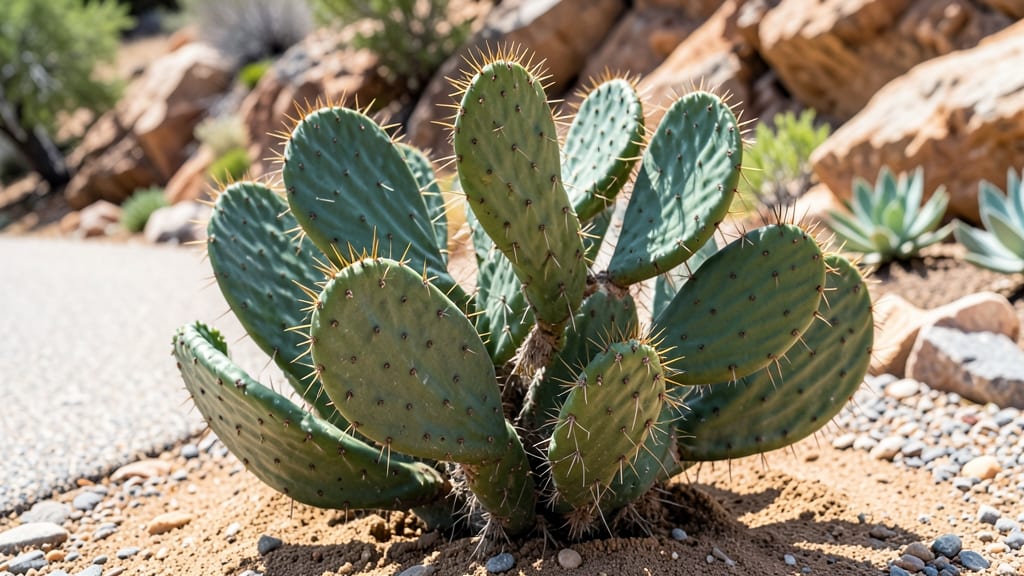
When handling prickly plant parts, always wear thick gardening gloves, use long sleeves, and remove spines carefully with pruning shears or a knife. Never touch them barehanded or burn dry plants, as this releases irritating particles into the air.
Dealing with prickly plants isn't just about avoiding pokes—it's about understanding why their defenses hurt so much. 🌿 Many spines contain microscopic silica crystals or latex that lodge deep in skin, causing irritation or even allergic reactions.
For example, cactus spines can break off easily, while roses release tiny barbs that trigger inflammation. The key is protecting yourself first: heavy-duty gloves and long sleeves create a barrier, while sharp tools let you cut spines cleanly instead of pulling them apart.
I've found that wearing a mask helps too, since some plants release airborne irritants when disturbed.
Once you're protected, the removal process matters just as much. Using pruning shears or a knife gives you better control than your fingers, and always cut near the base to avoid leaving fragments behind.
Disposing of spines safely—like wrapping them in newspaper before trash pickup—prevents accidental pricks later. For stubborn cases, I keep a small pair of needle-nose pliers handy to grip spines without risking my skin.
💡 In This Article
- Why Prickly Plant Spines Cause Pain and Injury
- Step-by-Step Guide to Removing Prickly Plant Parts Safely
Why prickly plant spines cause pain and injury
Prickly plant parts evolved primarily as a defense mechanism against herbivores, but they also serve to reduce water loss by creating a protective barrier around the plant's surface. Spines can be modified leaves, stems, or even specialized structures called trichomes, which vary in shape and composition.
For example, cactus spines are actually hardened, needle-like leaves that grow from areoles, while rose thorns develop from modified stems. These structures often contain silica-based compounds that make them rigid and sharp enough to penetrate skin layers.
The pain and injury from spines come from two main factors: physical penetration and chemical irritants. When a spine breaks off, it can leave behind microscopic fragments that trigger an inflammatory response in the skin.
Some plants, like poison ivy or stinging nettles, release chemical irritants such as urushiol or formic acid when disturbed. These compounds cause itching, redness, or even blistering reactions.
For instance, a single prick from a stinging nettle can inject formic acid directly into your skin, creating a burning sensation that lasts for hours. 🌿 The depth of penetration also matters—spines that embed deeper, like those on barberry bushes, are harder to remove and more likely to cause infections.
Understanding the mechanics of these spines helps explain why certain plants are more dangerous than others. For example, the spines on a holly plant are sharp but hollow, making them easier to extract than the solid, barbed spines of a devil's walking stick.
The key difference lies in how the spine's structure interacts with skin: hollow spines can sometimes be pulled out intact, while solid spines often shatter, leaving fragments behind.
This is why using the right tool—like a pair of needle-nose pliers—can make all the difference in safely removing embedded spines without causing further damage.
Another critical factor is the plant's moisture content. Dry spines, like those on dead branches, are more brittle and prone to breaking, increasing the risk of fragments lodging in your skin.
This is why burning or cutting dry prickly plants releases irritating particles into the air, which can cause respiratory issues or skin irritation. Wet spines, on the other hand, are often more flexible and less likely to shatter, making them slightly easier to handle—though they still require caution.
For example, pruning wet roses is generally safer than working with dry ones, as the spines are less likely to snap and embed.
Chemical irritants also play a role in allergic reactions. Some spines, like those on the Brazilian pepper tree, contain oils that can trigger severe allergic responses in sensitive individuals. These reactions can range from mild itching to more serious symptoms like swelling or difficulty breathing.
That’s why wearing a mask when handling prickly plants isn’t just about avoiding physical injury—it’s also about protecting your respiratory system from airborne irritants. 💨 For instance, cutting back a heavily spined plant like a hawthorn without a mask can release fine particles that irritate your throat and lungs, making the experience far more uncomfortable than just dealing with skin pricks.
Finally, the angle and force of contact determine how deeply a spine penetrates. A glancing blow might only scratch the surface, while a direct, forceful contact can drive the spine deep into the skin, increasing the risk of infection.
This is why gardeners often recommend using long sleeves and avoiding loose clothing that could snag on spines. For example, a lightweight cotton sleeve might tear easily, leaving your arm exposed, while a thick, woven fabric provides a stronger barrier.
The right protective gear isn’t just about comfort—it’s about minimizing the risk of injury by controlling how and where spines make contact with your body.