
Planting
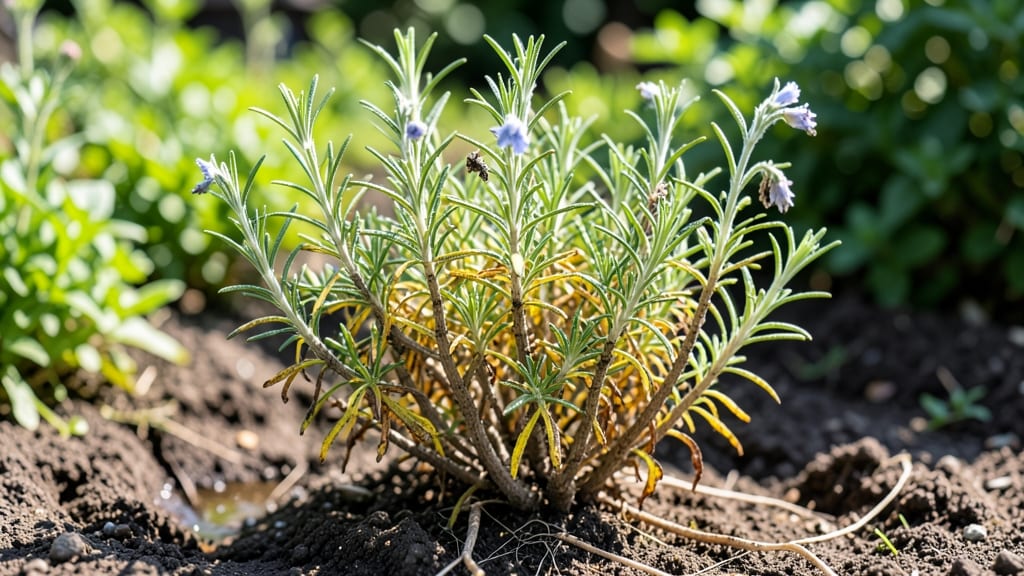
Rosemary plants turn yellow when they're drowning in water or starving for sunlight—both problems I’ve fixed in my own garden with this one simple adjustment. 🌿 The good news?
Most rosemary issues come down to two things: water and light, and both are easy to diagnose once you know what to look for. My plants went from sad and yellow to fragrant and bushy within weeks after I made these tweaks.
Yellowing leaves usually mean overwatering, but rosemary hates wet feet—it’s a Mediterranean plant that thrives on neglect. Stick your finger in the soil: if it’s damp more than an inch down, cut back on watering.
Too little light causes the same problem, so if your rosemary’s in a shady spot, move it to at least 6 hours of sun daily. The fix is simple: let the soil dry completely between waterings and give it bright light.
Once you correct the water or light issue, new growth will appear within 2-3 weeks, and those yellow leaves will drop naturally. The key is consistency—rosemary’s tough but won’t forgive soggy soil or dim corners.
For extra insurance, prune back the yellowed stems at the base to encourage fresh, green growth.
If your rosemary’s still struggling after adjusting water and light, check for pests like spider mites or root rot (smelly, mushy roots). But in my experience, 90% of rosemary problems vanish once you nail those two basics. Trust me—your kitchen garden will thank you with pine-scented perfection.
Root Causes Of Rosemary Struggles
Rosemary’s hardy nature can make it seem indestructible, but when issues like yellowing leaves, stunted growth, or wilting appear, they’re almost always tied to a few key factors.
Understanding these triggers helps you address the problem at its source—before it spreads. Let’s break down the science behind why your rosemary might be underperforming.
Rosemary thrives in drought-tolerant conditions, and its roots are particularly sensitive to waterlogged soil. When soil stays soggy for too long, several problems arise:
- Oxygen Deprivation: Roots need oxygen to respire and absorb nutrients.
Excess water displaces air in the soil, suffocating roots and triggering anaerobic conditions—where harmful bacteria and fungi (like Phytophthora) take over. - Nutrient Leaching: Overwatering flushes essential minerals (nitrogen, potassium, magnesium) out of the soil, leading to nutrient deficiencies that manifest as yellowing leaves. - Root Rot: Fungal pathogens like Fusarium or Pythium exploit wet conditions, causing roots to turn brown, mushy, and decayed.
This disrupts water and nutrient uptake, leading to wilting or crispy edges on leaves.
Why it happens:
- Heavy clay soil holds water too long.
- Lack of drainage holes in containers traps excess moisture.
- Frequent watering without checking soil moisture (stick your finger 1–2 inches deep—if damp, wait).
While rosemary loves dryness, chronic underwatering can also harm it, especially in hot, windy climates or when planted in full sun without mulch.
Signs include: - Curling or grayish leaves (a sign of water loss). - Dry, brittle stems (indicating severe dehydration). - Stunted growth (the plant conserves energy by slowing down).
Why it happens:
- Evaporation exceeds absorption: Rosemary has shallow roots, so it relies on consistent moisture during dry spells.
- Salty soil buildup: If you’re using tap water with high mineral content, salts accumulate in the soil over time, blocking water uptake (a condition called physiological drought).
- Improper mulching: Without a 2–3 inch layer of gravel or organic mulch, soil dries out faster.
Rosemary prefers well-draining, slightly alkaline soil (pH 6.0–7.5) but struggles when soil lacks key nutrients. Yellowing leaves often signal specific deficiencies:
| Symptom | Likely Cause | Why It Happens |
|---|---|---|
| Yellow lower leaves | Nitrogen deficiency | Nitrogen is essential for chlorophyll production; poor soil or overwatering washes it out. |
| Yellowing between veins | Magnesium deficiency (chlorosis) | Common in acidic or compacted soil; rosemary can’t access magnesium bound to clay. |
| Purple stems/leaves | Phosphorus deficiency | Phosphorus aids root and flower development; often lacking in sandy or disturbed soils. |
| Weak, pale new growth | Potassium deficiency | Potassium regulates water balance; leaches quickly in sandy or overwatered soil. |
Why it happens:
- Peat-heavy or sandy soil lacks organic matter to retain nutrients.
- Over-fertilizing with nitrogen (e.g., lawn fertilizer) can burn roots and disrupt micronutrient balance.
- pH imbalances: Acidic soil (pH <6.0) locks out magnesium and calcium, while overly alkaline soil (pH >8.0) reduces iron availability.
A stressed rosemary (from water issues or poor soil) becomes a magnet for pests and pathogens.
Common culprits: - Spider Mites (🕷️): Thrive in dry, hot conditions; suck sap, causing yellow stippling and webbing. - Aphids (🐜): Cluster on new growth, excreting honeydew that attracts sooty mold (a black fungal film). - Root-Knot Nematodes (🐛): Microscopic worms that burrow into roots, causing galling and stunted growth (common in warm, moist soil).
Why it happens:
- Weakened defenses: Underwatered or overwatered plants can’t produce enough phenolic compounds (natural pest repellents).
- Crowded planting: Poor airflow allows fungal spores (like powdery mildew) to spread.
- Infected soil: Reusing containers or garden beds with past pest/disease issues without sterilization.
Rosemary is a Mediterranean native, adapted to bright light and mild winters. When conditions stray too far from its comfort zone: - Sunburn: Leaves turn white or bleached in intense afternoon sun (especially in high-desert or urban heat islands).
The waxy cuticle can’t protect against UV radiation. - Cold Damage: Temperatures below 20°F (-7°C) cause blackened or mushy leaves (cell membranes rupture from ice crystal formation). - Wind Scorch: Dry, salty winds desiccate leaves, leading to brown, crispy edges (common in coastal or exposed areas).
Why it happens:
- Sudden climate shifts: Moving rosemary from a sheltered spot to full, hot sun without acclimation.
- Urban heat islands: Pavement and buildings radiate heat, creating microclimates that exceed rosemary’s tolerance.
- Late frost: New spring growth is vulnerable to freeze damage if temperatures dip unexpectedly.
Even hardy rosemary can suffer from physical stress during repotting or garden moves. Symptoms include:
- Wilting despite watering (roots can’t absorb moisture).
- Yellowing leaves (chlorosis from disrupted nutrient flow).
- Stunted regrowth (energy diverted to healing roots).
Why it happens:
- Root circling: Roots grown in pots spiral around the container, making them brittle and prone to breakage when transplanted.
- Improper handling: Roughly pulling plants from the ground or cutting roots during division damages the vascular system.
- Wrong timing: Transplanting during heatwaves or cold snaps slows recovery.
Quick Fixes for Rosemary’s Common Woes
Rosemary is a hardy herb, but even the toughest plants need a little TLC when issues pop up. Whether your rosemary is looking sad, leggy, or just not thriving, these targeted solutions will help you revive it—fast.
Below, we’ve matched the most common problems with simple, actionable fixes and pro tips to keep your rosemary lush and fragrant for years.
Rosemary hates soggy roots, but it also doesn’t like being parched. Yellow leaves usually mean one of two things: too much love (water) or not enough (sunlight/nutrients).
🔥 If Overwatered:
- 👨🍳 Step 1: Let It Dry Out Stop watering immediately and move your rosemary to a well-draining pot (if in one) or a spot with sandy, gritty soil.
Rosemary thrives in 60% sand, 40% soil—mix in perlite or coarse sand if needed. - 🥘 Step 2: Check the Roots Gently remove the plant and inspect the roots.
If they’re mushy or black, trim the damaged parts with sterilized scissors and repot in fresh, dry soil. - ⏰ Step 3: Adjust Your Watering Routine Water only when the top 1–2 inches of soil are bone-dry.
In summer, this might mean every 5–7 days; in winter, every 2–3 weeks.
💡 Prevention Tips:
- 🌡️ Use a moisture meter to avoid guesswork.
- ✨ Plant in raised beds if your garden retains too much moisture.
- 🎯 Group rosemary with other drought-tolerant herbs (like thyme or oregano) to mimic its natural Mediterranean habitat.
Rosemary reaches for the light like a sunbathing cat when it’s not getting enough 6+ hours of direct sunlight daily. Weak, sparse growth? Time to bring it back into the light.
🔥 Fix It Fast:
- 👨🍳 Step 1: Move It Immediately Place your rosemary in the sunniest spot in your garden or near a south-facing window (if indoors).
If outside, avoid afternoon shade—morning sun is better than none. - 🥘 Step 2: Prune the Legs Trim the long, bare stems back by 1/3 to encourage bushier growth.
Use clean pruners and cut just above a leaf node (where new growth emerges). - 🔪 Step 3: Fertilize Lightly (If Needed) If the soil is barely there (like pure sand), add a balanced, water-soluble fertilizer (5-5-5) once a month in growing season. Too much fertilizer = more problems, so go easy!
💡 Prevention Tips:
- 🌡️ Plant in full sun from day one—rosemary won’t tolerate shade.
- ✨ Rotate pots if growing indoors to ensure even light exposure.
- 🎯 Harvest regularly to encourage compact growth (and more herbs for cooking!).
Just like us, rosemary can get sunburned—especially in hot, dry climates or when suddenly exposed to intense sunlight.
🔥 How to Revive It:
- 👨🍳 Step 1: Provide Afternoon Shade If outdoors, move it to a spot with dappled shade (like under a tree with filtered light) during peak afternoon heat (12–4 PM).
- 🥘 Step 2: Increase Humidity (Gently) Mist the leaves lightly in the morning (avoid evening misting—it invites fungal issues).
Or place a pebble tray with water nearby to boost humidity. - 🔪 Step 3: Trim Damaged Foliage Snip off crispy brown tips with scissors to encourage new, healthy growth.
💡 Prevention Tips:
- 🌡️ Acclimate new plants slowly to full sun over 1–2 weeks.
- ✨ Use windbreaks (like a lattice or fence) if your rosemary is exposed to harsh winds.
- 🎯 Mulch with gravel (not organic mulch) to keep roots cool and reduce moisture loss.
Fungal problems often strike when rosemary is stressed (overwatered, crowded, or in humid conditions).
🔥 Treatment Plan:
- 👨🍳 Step 1: Isolate the Plant Move it away from other herbs to prevent spreading.
Check nearby plants for signs of fungus. - 🥘 Step 2: Prune Infected Areas Cut off spotted or moldy leaves/stems with sterilized pruners (wipe with rubbing alcohol between cuts). - 🔪 Step 3: Apply Fungicide (Natural or Store-Bought) - DIY spray: Mix 1 tsp baking soda + 1 quart water + a drop of dish soap (spray in the morning). - Store-bought: Use neem oil or a copper-based fungicide (follow label instructions). - ⏰ Step 4: Improve Airflow & Drainage Space plants 12–18 inches apart and ensure pots have drainage holes.
Avoid overhead watering—water at the base.
💡 Prevention Tips:
- 🌡️ Water in the morning so foliage dries quickly.
- ✨ Avoid wetting leaves when watering—use a soaker hose or drip irrigation.
- 🎯 Plant in well-ventilated areas (not crowded together).
If your rosemary is just sitting there, it’s likely starving, too old, or root-bound.
🔥 How to Wake It Up:
- 👨🍳 Step 1: Repot If Root-Bound If roots are circling the pot or poking out of drainage holes, upgrade to a slightly larger container (only 1–2 inches bigger) with fresh, gritty soil.
- 🥘 Step 2: Refresh the Soil If the soil is depleted (after 2+ years), replace the top 2–3 inches with new sandy potting mix.
- 🔪 Step 3: Give It a Growth Boost
- Prune back 1/3 of the plant to stimulate new shoots.
- Fertilize lightly with fish emulsion (diluted to half strength) once in spring.
💡 Prevention Tips:
- 🌡️ Replace pots every 2–3 years to avoid nutrient exhaustion.
- ✨ Harvest regularly—this encourages bushier regrowth!
- 🎯 Divide mature plants every few years to rejuvenate them.
If your rosemary is beyond saving, don’t toss it! Propagate cuttings to grow a fresh plant.
🔥 How to Do It:
- 👨🍳 Take a 3–4 inch cutting from a healthy stem, just below a leaf node.
- 🥘 Remove lower leaves (leave 2–3 at the top).
- 🔪 Dip the cut end in rooting hormone (optional but helpful).
- ⏰ Plant in a pot with sandy soil and keep lightly moist (not soggy).
- 🌱 Place in bright, indirect light until roots form (in 2–4 weeks).
Remember: Rosemary is low-maintenance but not no-maintenance. A little sun, space, and smart watering go a long way. Try one fix at a time, and your rosemary will
Frequently asked questions about rosemary plant problems
Why are my rosemary leaves turning yellow?
Yellow leaves usually mean your rosemary is either overwatered or not getting enough sunlight. Stick your finger 1-2 inches into the soil—if it's damp, cut back watering. Rosemary thrives in 6+ hours of direct sun daily. Move it to a sunnier spot and let the soil dry completely between waterings.
Can I save rosemary with root rot?
Yes, but act fast! Remove the plant and trim away mushy, black roots with sterilized scissors. Repot in a container with well-draining sandy soil and hold off on watering for 1-2 weeks to let roots recover. Keep it in bright light and water only when soil is completely dry.
How often should I water rosemary?
Rosemary hates soggy soil—water only when the top 1-2 inches are bone dry. In summer, this might be every 5-7 days, while winter care requires watering every 2-3 weeks. Use a moisture meter if unsure, and always ensure pots have drainage holes.
What should I do if my rosemary looks leggy?
Leggy growth means it needs more light! Move your rosemary to a sunniest spot and prune back 1/3 of the long stems to encourage bushier growth. Cut just above a leaf node, and avoid fertilizing too much—rosemary prefers lean soil. Rotate pots if growing indoors.
How do I know if my rosemary has pests?
Check for tiny webs (spider mites), sticky residue (aphids), or small holes in leaves (leaf miners). Wipe leaves with soapy water or spray with neem oil for mild infestations. Isolate affected plants and improve airflow to prevent future problems.