
Planting
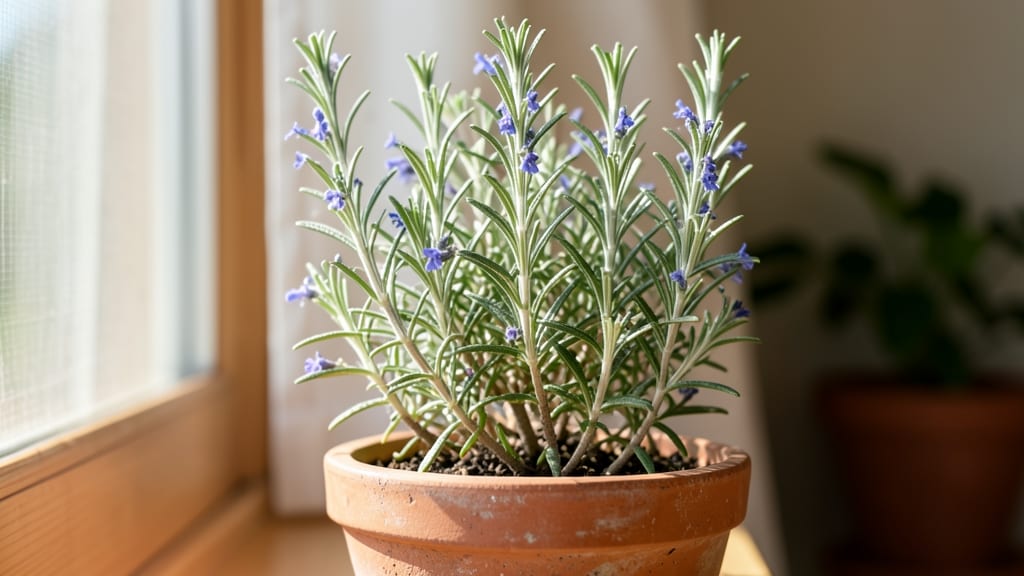
Rosemary grows best in Zone 7 when planted during late spring or early fall, requiring well-draining soil and full sun exposure. Proper mulching and winter protection help it survive mild winters, while container planting offers flexibility for colder periods.
Zone 7's climate—with its hot summers and mild winters—creates ideal conditions for rosemary's Mediterranean roots.
The key is replicating its native environment: well-draining soil prevents root rot, while full sun exposure (at least 6 hours daily) keeps the plant thriving. 🌿 I've found that planting in containers lets you move rosemary indoors during unexpected cold snaps, giving you more control over its winter survival.
The plant's drought tolerance also means you won't need frequent watering once established, though young plants still require consistent moisture.
For urban gardeners, container growing is a game-changer—it lets you adjust placement based on sunlight and temperature shifts. Just ensure the pot has drainage holes and use a sandy, loamy mix to mimic rosemary's natural habitat.
In-ground planting works too, but amending the soil with gritty materials like perlite or coarse sand is essential for preventing waterlogged roots.
💡 In This Article
- Why Zone 7’s Climate Affects Rosemary Growth
- Best Planting and Care Tips for Zone 7 Rosemary
Why Zone 7’s climate affects rosemary growth
Zone 7’s climate—characterized by hot, humid summers and mild winters—creates a near-perfect environment for rosemary’s Mediterranean heritage. The plant thrives in temperatures between 60°F and 85°F, where its drought-resistant roots and waxy leaves minimize water loss.
However, Zone 7’s summer heat can push temperatures beyond 90°F, stressing rosemary by accelerating moisture evaporation and increasing susceptibility to fungal diseases like powdery mildew.
The key is replicating the plant’s natural habitat: well-draining soil prevents root rot, while full sun exposure (at least 6 hours daily) ensures optimal photosynthesis. 🔥
Rosemary’s evergreen nature means it stays active year-round, but Zone 7’s mild winters (typically 20-30°F) can still pose risks. The plant’s cold hardiness tops out at 15°F, so prolonged exposure to freezing temps damages foliage and weakens roots.
Unlike Mediterranean winters, Zone 7’s humidity levels—often 60-80%—can also stress rosemary by promoting fungal growth. The solution? Mulching with 2-3 inches of pine straw or gravel insulates roots while allowing airflow to reduce humidity near the plant.
Container-grown rosemary offers flexibility, as pots can be moved to sheltered spots during cold snaps.
Root zone temperature is critical: rosemary’s roots prefer 55-75°F, and soil that stays too cool (below 50°F) stunts growth. In Zone 7, this often happens in early spring or late fall when air temps drop but soil retains warmth.
To counteract this, plant rosemary in raised beds or containers filled with fast-draining soil mixes (like 60% mineral soil, 30% perlite, 10% compost). This setup mimics the rocky, well-aerated soils of rosemary’s native regions, preventing waterlogging and root suffocation. 💫
The plant’s drought tolerance is a double-edged sword in Zone 7. While it resists dry spells once established, young rosemary needs consistent moisture to develop strong roots. Overwatering, however, is just as harmful—rosemary’s roots rot quickly in soggy soil.
Strike a balance by watering deeply once a week during the first growing season, then reducing to every 2-3 weeks once mature. In containers, check soil moisture by sticking your finger 1 inch deep; water only if it feels dry.
This approach prevents both dehydration and root rot, ensuring steady growth.
Humidity plays a subtle but vital role. Zone 7’s elevated humidity can cause rosemary’s leaves to develop a grayish mold, a sign of powdery mildew. To combat this, space plants 18-24 inches apart to improve airflow, and avoid overhead watering.
Pruning also helps: trim back leggy growth in early spring to encourage bushier, more resilient foliage. This not only improves aesthetics but also reduces humidity buildup within the plant’s canopy. 🌟
For container growers, the flexibility to adjust placement is a game-changer. Move pots to sunnier spots in winter or cooler areas in summer to maintain ideal conditions. In-ground rosemary benefits from a 1-2 inch layer of gravel mulch, which reflects sunlight and insulates roots.
This simple trick can raise soil temps by 5-10°F during cold snaps, protecting roots from frost damage. The result? A hardier plant that thrives year-round in Zone 7’s variable climate.