
Planting
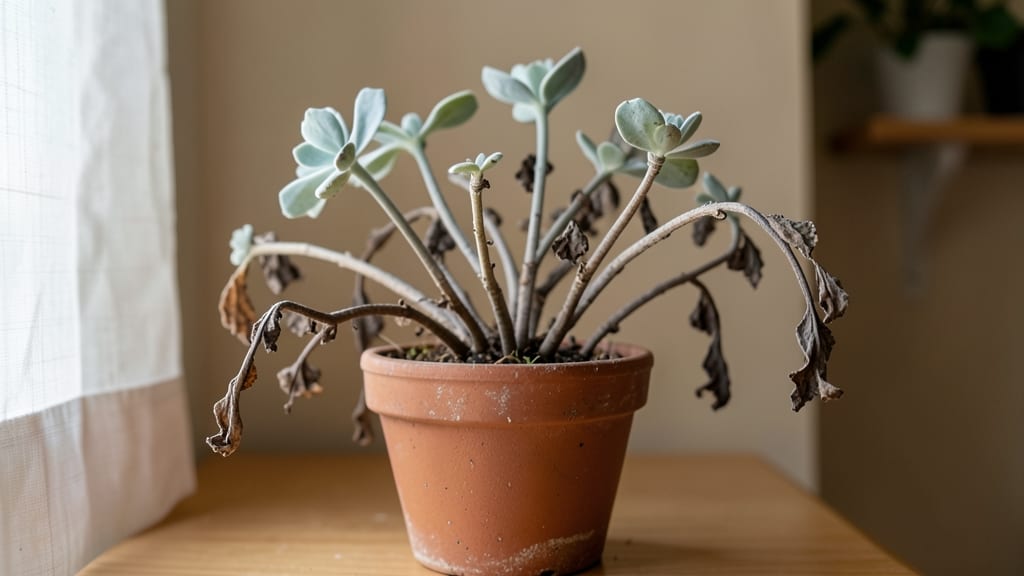
Your silver dollar plant dried leaves don’t mean it’s dead—just thirsty or stressed. 💧 I’ve nursed back more of these plants than I can count, and the fix is simpler than you’d think.
The key is understanding what’s really causing those crispy edges or limp foliage, because watering alone won’t cut it every time.
Most people overwater first, then panic when the plant looks dried out. But silver dollars hate soggy roots—they’re tropical plants that need consistent moisture and airflow. Low humidity or sudden temperature swings also trigger that wilted look, especially if your home’s air feels like a desert in winter.
The good news? You can turn things around in 24 hours with just a few adjustments.
Start by checking the soil—if it’s bone dry, give it a deep drink until water runs out the drainage hole. Then, move it to a spot with bright, indirect light (no harsh afternoon sun) and boost humidity with a pebble tray or misting.
Within a day, those leaves will perk up, and you’ll see new growth signaling the plant’s back in fighting shape.
Prevention is even easier: water when the top inch feels dry, avoid cold drafts, and wipe those round leaves occasionally to keep them dust-free. Once you master these basics, your silver dollar will stay lush year-round—no more dried-out drama. Let’s get that plant thriving again!
Root Causes Of Drying Silver Dollar Plants
Your Crassula ovata—commonly known as the silver dollar plant—is a succulent that thrives on resilience, but even the toughest can dry out when conditions go awry. Understanding the why behind wilting or dried leaves is the first step to revival.
Let’s break down the science-backed reasons your plant might be losing its plump, shiny appeal.
Succulents like the silver dollar plant store water in their thick leaves, making them highly susceptible to root rot when overwatered. Here’s how it happens:
- Waterlogged soil: When soil stays soggy for too long (more than 1–2 weeks between waterings), oxygen can’t reach the roots. This triggers anaerobic bacteria, which produce toxins that suffocate roots and cause them to turn mushy.
- Compacted or non-porous soil: Heavy or clay-based mixes trap moisture, mimicking a swampy environment. Even if you water lightly, excess moisture lingers, leading to Phytophthora or Pythium infections—common fungal pathogens in overwatered succulents.
- No drainage holes: Pots without escape routes for excess water force roots to sit in a puddle. Over time, this disrupts nutrient uptake and triggers cellular breakdown in leaves, causing them to dry out from the inside.
Actionable fix: Let the top 2–3 inches of soil dry completely before watering again. Use a well-draining cactus/succulent mix (60% mineral grit, 30% potting soil, 10% perlite) and repot into containers with drainage holes.
The silver dollar plant is a sun lover, but too little light (or abrupt changes) can cause leaves to lose their firmness and dry out. Here’s the science:
- Photosynthesis slowdown: Light is essential for chlorophyll production. In low light, the plant can’t synthesize enough energy, leading to etiolation—stretched, weak stems and shriveled leaves.
- Transpiration imbalance: Without adequate light, the plant’s stomata (pores) may close to conserve water, but this disrupts gas exchange. Over time, cells lose turgor pressure, causing leaves to crisp at the edges.
- Sunburn from sudden exposure: If moved from shade to direct sunlight without acclimation, leaves can develop chlorosis (yellowing) or necrotic (dead) patches, mimicking drought stress.
Actionable fix: Place your plant in bright, indirect light (e.g., near an east-facing window) or provide 4–6 hours of morning sun. If relocating outdoors, harden it off over 7–10 days by gradually increasing sunlight exposure.
Silver dollar plants are adaptable but struggle outside their ideal 60–80°F (15–27°C) range. Here’s how temperature and humidity fluctuations dry them out:
- Cold stress: Below 50°F (10°C), metabolic processes slow, and cell membranes can rupture. This causes plasmolysis—where water exits cells, leading to wrinkled, dried leaves.
- Heat shock: Above 90°F (32°C) without humidity, transpiration outpaces water absorption, causing leaves to wilting and eventually dry out.
- Low humidity: While succulents prefer dry air, below 30% humidity increases evaporation rates. In arid conditions, leaves lose moisture faster than roots can replenish it, leading to desiccation (drying from the outside in).
Actionable fix:
- Keep plants away from drafts, AC vents, or heaters.
- In winter, move them away from cold windows.
- Use a hygrometer to monitor humidity; mist lightly (but sparingly) if levels drop below 30%.
Tiny invaders and invisible microbes can silently drain your plant’s vitality, leading to dried leaves. Common culprits include:
- Mealybugs & scale insects: These sap-sucking pests insert their mouthparts into plant tissue, disrupting nutrient flow. Their sticky honeydew attracts sooty mold, which blocks sunlight and suffocates leaves.
- Spider mites: In dry conditions, these arachnids pierce cell walls to extract moisture, causing stippling (tiny dried spots) that expand into larger necrotic areas.
- Fungal/bacterial infections: Erwinia or Alternaria thrive in moist environments, creating lesions that harden and dry out leaf tissue.
Actionable fix: Inspect leaves for webbing, cottony residue, or tiny bugs. Treat with:
- Neem oil spray (1 tsp neem oil + 1 quart water, spray weekly).
- 70% isopropyl alcohol on a cotton swab to wipe off pests.
- Copper fungicide if fungal spots appear.
Pro tip: 💡 Rotate your plant weekly to ensure even light exposure—uneven drying often starts on one side due to light bias!
Reviving Your Silver Dollar Plant
When your silver dollar plant (Crassula ovata) starts looking dried out, don’t panic—it’s often a sign of fixable stress! Whether it’s due to underwatering, overwatering, low humidity, or pests, these practical solutions will help you nurse it back to health in 24 hours or less.
Below, we’ve mapped out cause-specific fixes with step-by-step instructions and prevention tips to keep your plant thriving.
Signs: Leaves feel papery, edges curl inward, soil pulls away from the pot.
How to Revive: 🔥 Step 1: Deep Watering
- Soak the pot in room-temperature water for 10–15 minutes until the soil is evenly moist (not soggy).
- Let excess water drain completely—no soggy roots!
🍳 Step 2: Mist or Shower
- Gently mist the leaves with water to boost humidity and rehydrate them.
- For severe dryness, place the plant in the sink and rinse leaves under lukewarm water (avoid direct sun after).
👨🍳 Step 3: Adjust Watering Schedule
- Water only when the top 1–2 inches of soil are dry (stick your finger in to check!).
- Prevention tip: Use a moisture meter or group plants together to retain humidity.
Signs: Soft, translucent leaves, foul smell, root rot (check by gently tugging—roots should be firm, not mushy).
How to Revive: 🔪 Step 1: Drain & Dry
- Remove the plant from its pot and let excess water drain for 24 hours.
- If roots are rotting, trim the damaged ones with sterilized scissors and let them dry for 1–2 hours.
⏰ Step 2: Repot in Fresh Soil
- Use a well-draining cactus/succulent mix and a pot with drainage holes.
- Prevention tip: Water only every 2–3 weeks in summer, monthly in winter.
Signs: Leaf edges turn brown, plant looks dull, soil stays dry too fast.
How to Revive: 💡 Step 1: Increase Humidity
- Place the pot on a pebble tray filled with water (ensure the pot isn’t sitting in water).
- Group plants together or use a humidifier nearby.
🎯 Step 2: Trim Damaged Leaves
- Snip off brown, crispy tips with clean scissors to prevent spread.
- Prevention tip: Mist leaves 2–3 times a week (avoid soggy soil).
Signs: White webs (spider mites), sticky residue (aphids), or holes in leaves.
How to Revive: ✨ Step 1: Isolate & Inspect
- Move the plant away from others to prevent spreading.
- Wipe leaves with a soapy water cloth (1 tsp mild soap + 1 cup water).
🔥 Step 2: Natural Remedies
- Neem oil spray (1 tsp neem oil + 1 cup water + drop of dish soap) once a week for 2 weeks.
- Prevention tip: Quarantine new plants for 2 weeks before introducing them.
Signs: White/yellow patches, crispy texture, leaf drop.
How to Revive: 🌿 Step 1: Move to Indirect Light
- Shift to a bright, east-facing window or 6+ feet from a south/west window.
- Prevention tip: Acclimate slowly—gradually increase light exposure over 2 weeks.
- Rotate the pot every few weeks for even light exposure.
- Fertilize lightly (balanced succulent fertilizer) only in spring/summer.
- Avoid cold drafts—silver dollar plants hate temps below 50°F (10°C).
With these fixes, your silver dollar plant should perk up within 24 hours—just give it love, patience, and the right conditions! 🌱✨
Frequently asked questions
Why do my silver dollar plant leaves look dried out even when I water regularly?
Overwatering is often the culprit! These succulents store water in their leaves, so soggy soil suffocates roots, causing leaves to dry from the inside out. Always let the top 2 inches of soil dry completely before watering again. Check for root rot by gently tugging on the plant—if roots smell foul or feel mushy, repot in fresh, well-draining mix immediately.
Can I save a silver dollar plant with completely dried leaves?
Not always—but check the roots first! If the roots are still firm and white, trim any dried leaves at the base and place the plant in bright, indirect light. Give it a deep watering and boost humidity with a pebble tray. New growth may sprout from the base within 2-3 weeks. If roots are black/mushy, the plant is likely beyond saving.
How do I know if my silver dollar plant needs more light or less?
Look for these clues: Leaves stretching toward light = needs more; crispy brown edges = too much direct sun. Place it near an east-facing window for gentle morning light, or provide 4-6 hours of indirect sunlight daily. Rotate the pot weekly to prevent uneven drying. If leaves turn yellow, it’s getting too much sun—move it back 1-2 feet.
Is it safe to propagate my silver dollar plant using dried leaves?
No—only use healthy, plump leaves! Dried leaves won’t root because they’ve lost moisture. For propagation, gently twist off a healthy leaf (it should come off cleanly) and let it callus for 1-2 days. Place it on well-draining soil and mist lightly. New plants typically form roots in 4-6 weeks when kept in bright, indirect light.
Why does my silver dollar plant dry out faster in winter?
Indoor heating and low humidity are the main culprits! Heaters dry out the air, causing leaves to lose moisture faster. Move your plant away from vents, and increase humidity with a pebble tray or humidifier. Water only every 3-4 weeks in winter, as growth slows dramatically. Grouping plants together also helps create a microclimate with better moisture retention.