
Planting
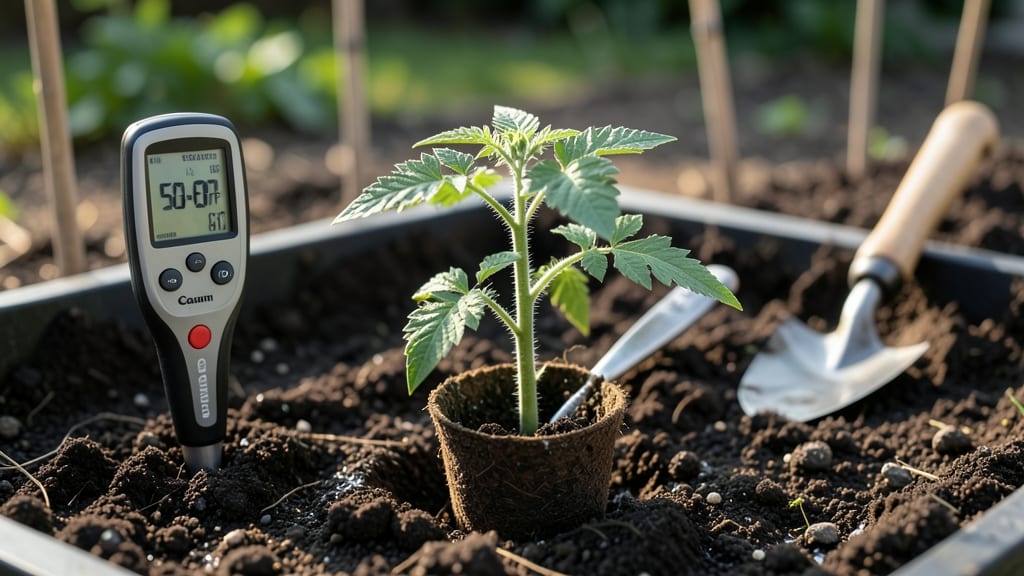
Transplanting tomatoes into the soil temperature for transplanting tomatoes that’s too cold can leave your seedlings struggling—or worse, dead—before they even get a chance to thrive.
Picture this: you’ve nurtured your 🍅 tomato seedlings indoors for weeks, only to rush them outside too early, and within days, their growth stalls. The key to avoiding this heartbreak? Understanding the ideal soil temperature ranges for each stage of transplanting.
In USDA Zone 6a, where spring can be unpredictable, soil temperatures below 50°F can shock young roots, while waiting until 60°F or warmer ensures strong, steady growth. But what if your region runs cooler?
We’ll cover how to test soil temperature, adjust timing, and even use row covers to create the perfect conditions—no matter where you garden.
By the end, you’ll know exactly when to transplant, how to troubleshoot slow starts, and the one trick that can add weeks to your growing season without risking your plants. Let’s get those tomatoes in the ground the right way.
Optimal soil temperature ranges for transplanting tomatoes by seedling stage
Transplanting tomato seedlings into soil that's too cold can shock their delicate roots, while soil that's too hot stresses young plants. The ideal soil temperature for tomatoes actually varies by seedling stage—from pre-sprout to mature transplant.
Understanding these ranges helps you time your moves perfectly for robust growth and maximum yield.
For pre-sprout seeds, soil needs to stay between 70°F–95°F to encourage germination. Once seedlings emerge, they're more resilient but still need warmth. The critical window for transplanting—when roots establish quickly—is when soil reaches 60°F–75°F.
Below 50°F, root growth stalls, and above 85°F, seedlings can wilt or develop heat stress.
Regional adjustments are key. In cool climates (Zones 1–5), aim for 65°F–75°F soil and use black plastic mulch or row covers to warm the ground faster. In warm climates (Zones 8–11), soil may already be ideal by early spring, but afternoon shade can prevent overheating during transplanting.
Tomatoes are warm-season crops, meaning they thrive in heat but need a gradual transition. If your soil is below 55°F, delay transplanting until temperatures rise naturally or use heat mats or greenhouse beds to create a warmer microenvironment for seedlings.
| Seedling Stage | Ideal Soil Temp (°F) | Minimum Viable Temp (°F) | Regional Notes |
|---|---|---|---|
| Pre-Sprout Seeds | 70°F–95°F | 60°F (with patience) | Use heat mats or indoor starts in cool climates. |
| Seedling (1–3 weeks old) | 60°F–75°F | 50°F (risk of stunting) | Hardens off seedlings at 55°F–60°F for 1 week before transplant. |
| Mature Seedling (4+ weeks) | 65°F–80°F | 55°F (slow growth) | Warm climates: Transplant at 70°F+; cool climates: Wait for 65°F+. |
| Transplant Shock Recovery | 70°F–85°F | 60°F (with mulch) | Use straw mulch to retain heat and moisture post-transplant. |
If your soil is too cold, try these tricks: Plant in raised beds, which warm up faster than in-ground soil, or use black plastic mulch to absorb sunlight and raise temperatures by 5°F–10°F.
For hot climates, transplant in early morning or late afternoon to avoid heat stress, and provide shade cloth until roots establish.
Pro tip: Test soil temperature with a soil thermometer (insert 2–3 inches deep) for accurate readings. Morning is best—soil cools overnight, so daytime temps may overestimate warmth. Aim to transplant when soil is consistently above 60°F for at least 3–5 days to ensure success.
Indeterminate tomato varieties, like Sungold or Brandywine, are more sensitive to temperature fluctuations than determinate types (e.g., Roma). If you're growing heirlooms or vining varieties, prioritize stable soil temps between 65°F–75°F during the first 2–3 weeks after transplanting to encourage vigorous root and vine growth.
In northern climates, consider starting seeds indoors and transplanting after the last frost when soil reaches 60°F. If you rush and soil is below 50°F, seedlings may develop blackened stems or yellowing leaves—a sure sign of cold stress.
Patience pays off: A 1-week delay for ideal soil temps can mean healthier plants and bigger harvests later.
For container-grown tomatoes, soil warms up faster than in-ground soil, so you can transplant 1–2 weeks earlier in cool climates. Just ensure pots have drainage holes and use well-draining potting mix to prevent waterlogged roots, which thrive at 65°F–75°F but suffer below 55°F.
Remember: Soil temperature ≠ air temperature. On a 70°F spring day, soil may still be 50°F—especially in shaded or clay-heavy areas. Use black plastic mulch or straw mulch to insulate and warm the soil faster.
With the right temps, your tomato transplants will take off like a rocket—not crawl like a snail.
How to test and adjust soil temperature before transplanting tomatoes
Testing your soil temperature before transplanting tomato seedlings is one of the most overlooked steps that can make or break your harvest. Cold soil slows root growth, while soil that's too hot stresses delicate seedlings. The key is finding that sweet spot where your tomatoes can thrive from day one.
Most gardeners rely on air temperature when deciding transplant time, but soil temperature tells the real story. Tomatoes need consistently warm soil to establish strong roots and support vigorous growth. Without proper soil warmth, your seedlings may struggle for weeks—or worse, fail entirely.
Step-by-Step Guide to Testing and Adjusting Soil Temperature
- 1 Use a soil thermometer for precise readings. Insert it 2-3 inches deep in the soil where you'll plant. Check temperatures at 10 AM and 4 PM for the most accurate average.
- 2 DIY test without a thermometer: Press your finger into the soil. If it feels warm to the touch (like a warm bath), it's likely in the ideal range. If it feels cool or damp, delay transplanting.
- 3 Warm cold soil with black plastic mulch. Lay it down 1-2 weeks before transplanting to raise soil temperature by 5-10°F. Remove it once seedlings are established to prevent overheating.
- 4 Extend the season with row covers. Use floating row covers or low tunnels to trap heat and protect seedlings. Remove covers during the day once soil warms to 65°F+ to prevent overheating.
- 5 Adjust transplant timing based on your climate. In cool regions (Zones 1-5), aim for 60-70°F soil and use season extenders. In hot climates (Zones 8-10), wait until soil cools to 75-85°F to avoid heat stress.
If your soil is consistently below 55°F, don't rush transplanting. Cold soil can cause root rot or stunt growth for weeks. Instead, harden off seedlings longer or use heat mats under containers to warm the roots before moving them outdoors.
For container gardening, monitor soil temperature closely since pots heat up and cool down faster than in-ground soil. Use thermometer probes designed for containers and avoid transplanting until the soil reaches at least 65°F.
Remember, the goal is to give your tomato seedlings the best possible start. A few extra days waiting for ideal soil temperature can mean the difference between a struggling plant and a thriving vine loaded with fruit. 🌱🍅