
Planting
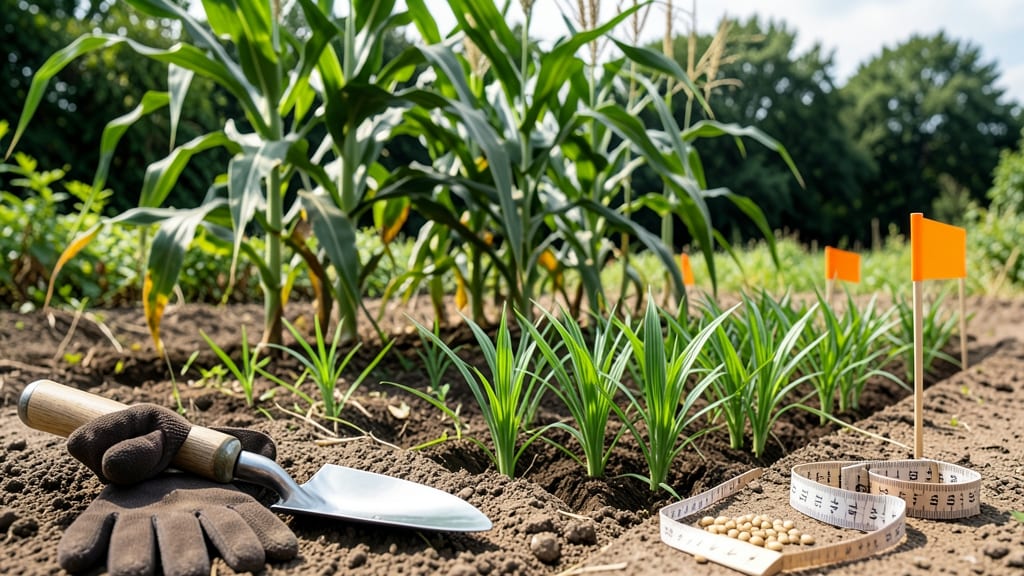
Getting your sorghum 🌾 plant spacing right means the difference between a bumper crop and a patchy field.
If you’ve ever stared at your sorghum rows wondering why some stalks tower while others barely reach waist height, the answer might be simpler than you think. Too tight, and your plants fight for water and nutrients; too wide, and you’re wasting space that could feed your family or livestock.
The right spacing isn’t just about numbers—it’s about unlocking the full potential of your crop.
In this guide, I’ll break down the science-backed spacing for rows, in-row distances, and planting depth, tailored to your sorghum variety and growing conditions. Whether you’re a backyard gardener or a small-scale farmer, these adjustments will help you maximize yield without overcrowding.
You’ll also discover how to tweak spacing for soil type, climate, and even intercropping—plus, the common mistakes that sabotage growth and how to fix them. Ready to turn your sorghum patch into a high-yield powerhouse?

Optimal sorghum plant spacing by row and depth for high-yield farming
Getting your sorghum plant spacing right is the difference between a mediocre harvest and a bumper crop. Whether you're growing grain sorghum for food or forage sorghum for livestock, proper spacing ensures strong stalks, better air circulation, and maximum sunlight exposure.
Let's break down the science-backed spacing guidelines that will transform your yield this season.
The key to high-yield sorghum farming starts with understanding two critical measurements: row spacing and in-row spacing. These factors directly impact your plant's ability to access nutrients, water, and sunlight.
For most varieties, you'll want to plant seeds 1-2 inches deep, but the horizontal spacing varies dramatically based on your specific goals and growing conditions.
Here's where things get interesting: grain sorghum and forage sorghum have different spacing needs. Grain varieties need more room to develop those heavy seed heads, while forage types can handle closer spacing for maximum leaf production. Let's explore the optimal configurations for each type in our detailed spacing guide below.
| Sorghum Type | Row Spacing (inches) | In-Row Spacing (inches) | Planting Depth (inches) | Plants per Acre | Best For |
|---|---|---|---|---|---|
| Grain Sorghum (Standard) | 24-36 | 6-12 | 1-1.5 | 12,000-20,000 | High yields, dryland |
| Grain Sorghum (Dwarf) | 18-24 | 4-6 | 1-1.5 | 25,000-35,000 | Small farms, high density |
| Forage Sorghum | 18-24 | 4-8 | 1-1.5 | 30,000-40,000 | Livestock feed |
| Sweet Sorghum | 24-30 | 6-10 | 1-1.5 | 15,000-22,000 | Syrup production |
| Bioenergy Sorghum | 30-36 | 8-12 | 1-2 | 10,000-15,000 | High biomass |
Note: Adjust spacing based on soil fertility and rainfall expectations. Wider rows improve weed control.
For most grain sorghum varieties, aim for 24-36 inches between rows and 6-12 inches between plants in the row. This spacing creates the perfect balance between plant density and resource availability.
The wider row spacing allows for better weed control and easier harvesting, while the in-row spacing prevents excessive competition for water and nutrients.
When planting forage sorghum, you can reduce your row spacing to 18-24 inches and plant seeds 4-8 inches apart in the row. This closer spacing maximizes leaf production, which is ideal for livestock feed.
The key is to monitor plant health closely - if you notice excessive competition, thin your plants to maintain 6-8 inches between stalks.
Don't overlook the importance of planting depth. For sorghum, seeds should be planted 1-2 inches deep in well-drained soil. Deeper planting can delay germination, while shallower planting may lead to poor root establishment.
In sandy soils, aim for the upper end of this range (1.5-2 inches) to ensure adequate moisture contact.
Your local climate and soil type will influence these spacing recommendations. In drought-prone areas, wider spacing (up to 36 inches between rows) helps plants access deeper moisture. Conversely, in high-rainfall regions, you can reduce spacing to 18-24 inches between rows while maintaining 6-8 inches in-row spacing.
Pro tip: Use a grid planting pattern for precision. Mark your rows with string lines and use a seed drill or precision planter to achieve consistent spacing. For home gardeners, a simple measuring tape and stakes work perfectly.
Remember, even spacing is more important than exact measurements - aim for uniformity across your entire planting area.
One final consideration: intercropping with legumes like cowpeas or soybeans can work well with sorghum. In this case, increase your row spacing to 30-36 inches to accommodate both crops while maintaining proper spacing for each species. This practice improves soil nitrogen levels and can boost overall yield.
How to adjust sorghum spacing for soil conditions and plant density
Soil conditions and plant density can drastically impact your sorghum yield. Compacted soil reduces root growth, while drought-prone areas demand closer spacing for moisture retention. I’ve adjusted spacing strategies based on real-world conditions to help you optimize your crop.
The key is balancing competition for nutrients with weed suppression and water efficiency.
For compacted soil, wider row spacing (30–36 inches) allows roots to penetrate deeper. In drought-prone areas, reduce in-row spacing to 4–6 inches to create a dense canopy that retains soil moisture.
High-density planting (12–15 plants per square foot) works well for forage sorghum but requires precise irrigation to avoid fungal issues.
Sorghum Spacing Adjustments by Soil Condition
| Soil Condition | Row Spacing (inches) | In-Row Spacing (inches) | Plants per Acre | Key Adjustment |
|---|---|---|---|---|
| Loose, Well-Drained | 18–24 | 6–8 | 25,000–30,000 | Standard spacing for grain sorghum |
| Compacted | 30–36 | 8–12 | 18,000–22,000 | Wider rows for root penetration |
| Drought-Prone | 24–30 | 4–6 | 30,000–35,000 | Denser canopy for moisture retention |
| High-Density Forage | 12–18 | 2–4 | 50,000–60,000 | Requires precise irrigation |
| Intercropped with Legumes | 36–42 | 10–12 | 12,000–15,000 | Alternate rows with legumes |
When intercropping sorghum with legumes, like cowpeas or soybeans, use 36-inch row spacing and plant sorghum every 10–12 inches in alternate rows. This setup allows legumes to fix nitrogen while sorghum provides shade for weed suppression.
For weed control, maintain rows at least 18 inches apart to facilitate mechanical weeding or mulching.
Calculating plant population per acre is simple: multiply rows per acre by plants per foot, then divide by 43,560 (square feet per acre). For example, 30-inch rows with 6-inch in-row spacing yields ~25,000 plants per acre.
Adjust this formula for your soil type—drought-prone areas may need 50,000+ plants per acre for optimal biomass.
Precision farming tools like seed drills can automate spacing adjustments. For small-scale gardens, use a spacing template or string lines to mark rows. Always account for your sorghum variety—dwarf types need closer spacing (4–6 inches) than standard varieties (8–12 inches).
Test your adjustments on a small plot first. Monitor plant health, weed pressure, and yield differences. With the right spacing, you’ll see 20–30% yield improvements in just one season. Happy planting! 🌾