
Planting
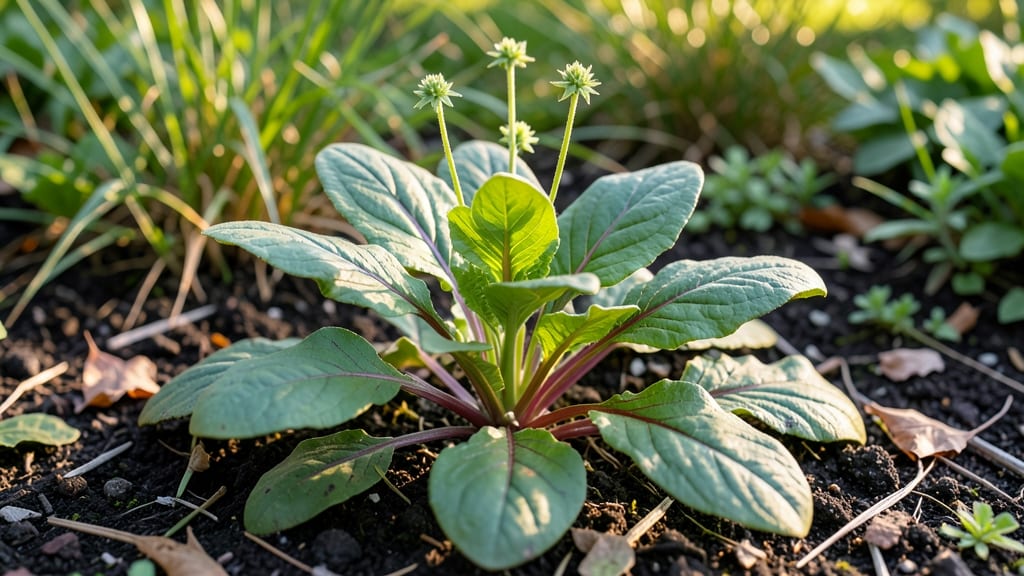
The sorrel plant care thrives with almost no effort once you know its simple needs. 🌱 I’ve grown it for years—it’s the plant that proves you don’t need a green thumb, just the right conditions.
The secret? A spot with partial shade, consistently moist soil, and a hands-off approach. It’s one of the few greens that tastes better after a light frost, too.
This tangy, lemony leaf grows best in well-draining, slightly acidic soil (think compost-rich garden beds or containers). It tolerates 4-6 hours of morning sun, but too much afternoon heat wilts its delicate leaves.
Watering is the only real chore—keep soil damp but never soggy, and you’ll avoid the most common problem: bolting (when it sends up a flower stalk and turns bitter).
You’ll harvest fresh leaves in just 4-6 weeks from seed, and the plant keeps producing all season long. Pinch back flowers to encourage more leaf growth, and divide mature clumps every 2-3 years to keep them vigorous.
Overwintering is easy—just mulch heavily in cold climates, and it’ll bounce back in spring.
Perfect for shade gardens, container growing, or even as a potherb in soups. The only real challenge? Resisting the urge to harvest all the leaves at once—leave a few to keep the plant growing. Here’s how to keep it happy all year.
📚 In This Guide
- What you need
- Instructions
- Tips and common mistakes
- Wrapping up and next steps
What you need
- ● Sorrel plants: 3–5 young plants or seeds (start indoors 6–8 weeks before the last frost for faster growth).
- ● Well-draining potting mix: 1–2 bags (look for a blend with peat, perlite, and compost for optimal aeration).
- ● Containers or garden bed: Containers: 5–10-inch pots with drainage holes (1–2 per plant).
- ● Garden bed: A sunny spot with 6+ hours of light and loose, fertile soil (pH 6.0–7.0).
- ● Watering can or hose: With a gentle spray nozzle to avoid disturbing soil.
- ● Organic fertilizer: Balanced 10-10-10 or compost (1 tbsp per plant every 4–6 weeks).
- ● Pruning shears: Sharp, clean pair for harvesting and trimming.
- ○ Mulch (optional but recommended): Straw or shredded leaves to retain moisture and suppress weeds.
- ● Grow lights: For indoor setups (12–16 hours of light daily).
- ● Soil moisture meter: To check watering needs without overdoing it.
- ● Epsom salt: A sprinkle (1 tsp per gallon of water) can boost magnesium for lush growth.
- ● Companion plants: Try planting with lettuce, spinach, or strawberries for a thriving herb patch!
Step-by-step instructions for growing sorrel year-round
Here's how I keep sorrel thriving indoors and out with just a few simple adjustments.
🌱 Step 1: Choose the Perfect Spot for Light and Humidity
Sorrel craves bright, indirect light—think east-facing windows or a north window with supplemental grow lights. I place my pots under a 12-inch LED grow light for 12-14 hours daily when natural light drops below 6 hours. The leaves will tell you if it's right: deep green with crisp, upright growth means you've nailed the light balance.
This plant loves humidity, so I group mine with other leafy greens or use a pebble tray filled with water beneath the pots. Mist the leaves lightly in the morning to mimic its native woodland environment. You'll notice the leaves stay perky and glossy when humidity is ideal—anything less and they'll start curling at the edges.
💧 Step 2: Master the Watering Routine for Consistent Growth
Water sorrel when the top inch of soil feels dry to the touch, but never let it sit in soggy conditions. I use the finger test daily: stick your index finger into the soil. If it comes out clean, water thoroughly until it drains from the bottom. Overwatering causes yellowing leaves and root rot, while underwatering makes the leaves wilt and turn bitter.
In winter, reduce watering to every 5-7 days since growth slows dramatically. The key is consistency—sorrel hates moisture extremes. I always water in the morning so excess moisture evaporates during the day rather than sitting on the leaves overnight, which invites fungal issues.
✂️ Step 3: Harvest Strategically to Encourage Bushier Growth
Harvest sorrel by snipping outer leaves with clean scissors, leaving the inner growth intact. I never take more than ⅓ of the plant at once—this prevents stress and encourages new leaf production. The best time to harvest is after rain or watering when the leaves are plump and flavorful.
For a continuous supply, I make small cuts every 2-3 weeks rather than one big harvest. The plant responds by sending out new shoots from the base, creating a bushier, more productive clump. If you notice the center getting bare, it's time to divide the plant—simply separate the clumps and replant.
🪴 Step 4: Repot and Divide Every 2-3 Years for Long-Term Health
Sorrel becomes root-bound quickly, so I repot it every 2-3 years into a container just 1-2 inches larger than its current home. Use a well-draining potting mix with added compost—sorrel prefers slightly acidic soil with a pH between 5.5-6.5. The roots will spread aggressively, so choose a pot with drainage holes.
When repotting, I always separate any offset clumps that have formed. These can be replanted immediately or given away to fellow gardeners. The plant handles division well, and you'll often get multiple healthy plants from a single division. After repotting, water lightly for the first week to help the roots establish without shock.
Tips & tricks for perfect sorrel plant care
A few clever adjustments can transform your sorrel from struggling to show-stopping. These are the secrets I've learned after years of growing it year-round without fail.
Lighting Strategy: That 12-14 hour daily light requirement isn't just about duration—it's about quality. I've found that positioning your grow light 18 inches above the plants creates the ideal balance between intensity and spread. Too close, and you'll scorch the leaves; too far, and growth slows. For winter months when natural light drops below 6 hours, I supplement with a full-spectrum LED—not the cheap ones—because sorrel needs that blue light spectrum to stay vibrant. The difference in leaf color is night and day.
Humidity Hack: The pebble tray method works, but I've discovered an even better trick: place your sorrel pots on a dampened towel instead of water. This maintains consistent moisture without the risk of root rot from standing water. In dry climates, I group my pots together and place a shallow tray of water between them. The evaporation creates a microclimate that keeps humidity perfect—no fancy equipment needed. Just watch for those telltale curled edges when it's too dry.
Harvest Timing: I used to harvest whenever I needed leaves, but I learned the hard way that timing matters. The 2-3 week interval between harvests isn't arbitrary—it's when new growth reaches its peak flavor and tenderness. I now mark my calendar and harvest on the same day each week. Pro tip: Use clean, sharp scissors and make your cuts at a 45-degree angle just above a leaf node. This encourages bushier regrowth and prevents unsightly stubs.
Repotting Insight: The 2-3 year repotting schedule feels like a long time, but I've found you can actually divide sorrel more frequently if you're attentive. When you notice roots circling the bottom of the pot or growth slowing, that's your cue—even if it's only been 18 months. The key is to handle the roots gently during division. I always rinse them first to remove old soil, then separate the clumps with my fingers rather than cutting. This minimizes shock and gives you multiple healthy plants from one division.
Pro Tips for Sorrel Plant Care
- A few clever adjustments can transform your sorrel from struggling to show-stopping.
- Lighting Strategy: That 12-14 hour daily light requirement isn't just about duration—it's about quality.
- Humidity Hack: The pebble tray method works, but I've discovered an even better trick: place your sorrel pots on a dampened towel instead of water.
Frequently asked questions
Got questions about keeping your sorrel happy? You’re not alone—this tangy, leafy green can be a little finicky! Here are answers to the most common sorrel plant care queries to help you grow it like a pro.
How often should I water sorrel, and how do I know it’s thirsty?
Water sorrel consistently—about 1 to 2 inches per week, especially during active growth. Let the top inch of soil dry out between waterings to avoid root rot. Wilting leaves or a limp appearance are signs it’s thirsty, but yellowing or mushy stems mean you’re overdoing it. Mulch helps retain moisture!
Can sorrel survive winter, or do I need to harvest it before frost?
Sorrel is hardy in USDA zones 5-9 and can tolerate light frost, but heavy freezes will kill it. In colder climates, harvest leaves before the first frost or protect the plant with mulch and row covers. Overwintering indoors in a pot is an option—just trim it back and keep it in bright, cool light.
Why are my sorrel leaves turning yellow or bitter?
Yellow leaves often signal overwatering or poor drainage. Bitter taste? That’s usually from stress (like heat or drought) or harvesting too early. For milder flavor, wait until leaves are fully mature. Check soil pH too—sorrel prefers slightly acidic to neutral (6.0-7.0). Amend with compost if needed!
Can I grow sorrel in containers, and what’s the best pot size?
Sorrel thrives in containers with at least 12-inch depth and drainage holes. A 5-gallon pot works well for one plant, especially if you’re growing it indoors. Use a well-draining potting mix and place it where it gets partial shade to full sun (morning sun is ideal).
Are there sorrel alternatives if I can’t grow it myself?
If sorrel proves tricky, try these flavorful substitutes:
- Spinach or chard: Mild and versatile, though less tangy.
- Wood sorrel (Oxalis): Similar tartness but edible in moderation (contains oxalates).
- Lemon balm or sorrel-flavored vinegar: Add a zesty kick to dishes!
For a closer match, garden sorrel’s cousin, French sorrel (Rumex scutatus), is even more flavorful and easier to find in nurseries.
Wrapping up and next steps
Caring for sorrel is a breeze—whether you’re a seasoned gardener or just starting out! 🌱 With its hardy nature and minimal needs, this vibrant plant rewards you with tangy leaves year-round.
Remember to prioritize well-draining soil, partial shade, and consistent moisture, while keeping pests at bay with simple organic solutions.
Now that you’re equipped with the know-how, why not take the next step? Try growing sorrel in a pot on your balcony, experiment with companion plants, or even harvest and cook with it! Your garden—and your taste buds—will thank you.