
Planting
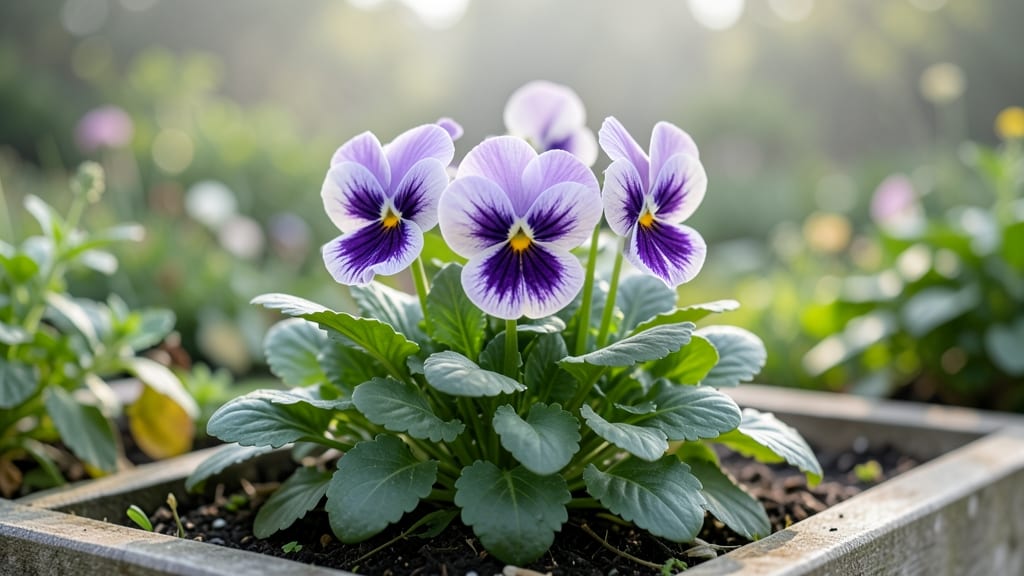
Year-round color that looks good enough to eat—pansy plant care makes these cheerful blooms thrive as the unsung heroes of cool-season gardens. 🌸 I’ve grown them for years, and the secret to their bold blooms and long-lasting foliage comes down to three simple habits: the right soil, consistent moisture, and a little pruning love.
They’re tougher than they look, thriving even when other flowers give up in heat or cold.
Start with well-draining soil rich in organic matter—think compost mixed into your garden beds or potting soil for containers. Pansies hate soggy roots, so raised beds or containers with drainage holes work best.
Water deeply once a week (twice in extreme heat), letting the top inch of soil dry between waterings. Overwatering is their #1 enemy, but they’ll forgive you if you adjust quickly.
Sunlight needs vary by climate: full sun in cooler zones (like mine in Zone 6) keeps blooms vibrant, while afternoon shade in hotter areas prevents wilting. A balanced fertilizer every 4-6 weeks—like 10-10-10—keeps them flowering nonstop.
Pinch back spent blooms regularly to encourage more flowers, and you’ll have color from early spring to first frost.
Troubleshooting is easy: yellow leaves mean overwatering; powdery mildew (rare but possible) responds to neem oil. Deadhead flowers consistently, and your pansies will reward you with neighborhood-stopping displays all season. Even black thumbs can’t kill these—just give them the basics, and they’ll do the rest.
📚 In This Guide
- What you need
- Instructions
- Tips and common mistakes
- Wrapping up and next steps
What you need
- ● Pansy seeds or seedlings: Choose disease-resistant varieties (e.g., ‘Cool Wave,’ ‘Universal’) for best results. Quantity: 10–20 seeds per pot or 12–18 plants per square foot.
- ● Well-draining potting mix: A high-quality, peat-based or coco-coir blend (e.g., Miracle-Gro Potting Mix). Quantity: 1–2 gallons per 12-inch pot or 3–5 cubic feet for in-ground planting.
- ○ Containers (optional but helpful): 5–10 inch pots (for seedlings)
- ● Hanging baskets (12+ inches in diameter)
- ● Garden beds (with raised edges for drainage)
- ● Slow-release fertilizer (10-10-10 or 14-14-14): Mix 1–2 tbsp per gallon of soil at planting time.
- ○ Mulch (optional): 1–2 inches of shredded bark or straw to retain moisture.
- ● Gloves: Gardening gloves to protect hands from soil and thorns (some varieties have mild prickles!).
- ● Trowel or small shovel: For transplanting seedlings or mixing soil.
- ● Watering can or hose with a gentle spray nozzle: Pansies dislike soggy roots!
- ○ Pruning shears (sterilized): For deadheading spent blooms (optional but encourages reblooming).
- ○ pH test kit (optional): Ideal soil pH for pansies: 6.0–7.0.
- ● Sunlight: Full sun to partial shade (4–6 hours of sunlight daily). Avoid harsh afternoon sun in hot climates.
- ● Temperature: Pansies thrive in 40–75°F (4–24°C). Protect from frost (<32°F/0°C) with row covers if needed.
- ● Watering routine: Keep soil consistently moist (not waterlogged) but avoid overhead watering to prevent mildew.
Step-by-step instructions for growing pansies that keep blooming
Here’s how I keep my pansies flowering continuously—even through mild winters—using simple but intentional care.
🌱 Step 1: Plant in Well-Draining Soil with Full Sun to Partial Shade
Pansies thrive in loamy, well-draining soil with a pH between 6.0 and 7.0. Amend heavy clay or sandy soil with 2-3 inches of compost before planting to improve moisture retention and nutrient availability. I always dig in a handful of balanced 10-10-10 fertilizer at planting time to give them a strong start.
Choose a location with 5-6 hours of morning sun and afternoon shade, especially in hot climates. Pansies tolerate partial shade beautifully, but too much direct afternoon sun can scorch their delicate petals. You’ll know you’ve picked the right spot when the plants stay vibrant even on warm days.
💧 Step 2: Water Deeply and Consistently to Encourage Strong Roots
Water pansies 1-1.5 inches per week, keeping the soil evenly moist but never soggy. I water in the early morning to reduce evaporation and fungal risks. Let the top 1 inch of soil dry out between waterings—this prevents root rot while ensuring they don’t wilt.
Mulch around the base with 2-3 inches of organic mulch (like shredded bark) to retain moisture and suppress weeds. Avoid piling mulch against the stems, as this can trap moisture and cause rot. You’ll see healthier foliage and more blooms when the soil stays consistently moist without being waterlogged.
☀️ Step 3: Deadhead Regularly and Fertilize for Continuous Blooms
Deadhead spent blooms every 3-5 days by pinching off the faded flowers just above the next set of leaves. This simple step tricks the plant into redirecting energy toward new blooms instead of seed production. I use clean, sharp scissors to avoid damaging the stems—pansies are delicate and heal slowly from rough cuts.
Feed plants every 4-6 weeks with a balanced liquid fertilizer (like 20-20-20) during the growing season. Reduce feeding in late summer to encourage fall blooming. You’ll notice a surge in new flower production within 7-10 days of fertilizing if the plants are otherwise healthy.
✂️ Step 4: Prune and Divide to Rejuvenate Mature Plants
By mid-season, pansy plants may become leggy or overcrowded. Prune back one-third of the foliage in early spring or after a heavy bloom cycle to encourage bushier growth. Cut just above a set of leaves to promote branching. This isn’t harsh—think of it as giving your pansies a haircut to stay fresh and full.
Every 2-3 years, divide mature clumps in early spring. Dig up the plant, separate the sections with a clean knife, and replant the healthiest divisions. You’ll see renewed vigor and larger blooms in the following season. Discard any yellowed or mushy stems—they’re past their prime.
⏰ Step 5: Protect from Frost and Adjust Care for Seasonal Changes
Pansies are surprisingly cold-hardy, tolerating temperatures down to 20°F with proper care. In fall, apply a 2-inch layer of mulch to insulate roots. If a hard freeze is forecast, cover plants with frost cloth or a lightweight blanket. Remove the cover during the day to prevent overheating—pansies need light even in winter.
In late winter, reduce watering slightly and avoid fertilizing until new growth appears. You’ll see fresh shoots in 3-4 weeks—that’s your cue to resume regular care. Pansies will often rebloom in spring if given consistent moisture and a little extra fertilizer.
Tips & tricks for perfect pansy plant care
A few intentional tweaks can transform your pansies from seasonal bloomers to year-round stars. Here’s what I’ve learned after years of growing them successfully:
Soil Preparation: Before planting, test your soil’s pH using a simple kit—pansies thrive between 6.0 and 7.0. If your soil is too acidic, mix in 1/4 cup of garden lime per square foot and till it in 2-3 weeks before planting. I’ve found that amending with compost isn’t just about nutrients—it’s also about creating that ideal loamy texture that prevents waterlogging, which pansies absolutely hate. The difference between struggling plants and vibrant blooms often comes down to this soil prep step.
Watering Strategy: The 1-1.5 inches per week guideline is perfect, but timing matters just as much. I’ve discovered that watering in the early morning gives the foliage time to dry completely before evening, which drastically reduces fungal diseases like powdery mildew. If you notice the leaves staying damp into the afternoon, you’re either watering too much or not enough—both create the same problem. A simple rain gauge placed near your pansies helps track exactly how much water they’re getting from nature versus you.
Fertilizer Timing: When you fertilize every 4-6 weeks, don’t just dump it on the soil—water the plants first, then apply the fertilizer, and water again. This three-step process ensures the nutrients reach the roots instead of sitting on the surface where they can burn delicate pansy foliage. I’ve also noticed that splitting my fertilizer applications into two smaller doses—half now and half in 3-4 weeks—gives my plants a more consistent nutrient supply without overwhelming them. The 7-10 day bloom surge becomes even more noticeable when you do this.
Seasonal Adjustments: That 20°F cold-hardiness threshold is impressive, but don’t assume your pansies can handle everything. If you’re in a region with sudden temperature swings, I recommend using frost cloth instead of heavy blankets—it lets light through while providing just enough insulation. And here’s a pro move: in late winter, when you see those first fresh shoots, give them a light top dressing of compost rather than fertilizer. This gentle boost helps them transition back into active growth without shocking the system.
Pro Tips for Pansy Plant Care
- A few intentional tweaks can transform your pansies from seasonal bloomers to year-round stars.
- Soil Preparation: Before planting, test your soil’s pH using a simple kit—pansies thrive between 6.0 and 7.0.
- Watering Strategy: The 1-1.5 inches per week guideline is perfect, but timing matters just as much.
Frequently asked questions
Got questions about keeping your pansies happy and blooming? You’re not alone! Here are answers to the most common queries—from beginner gardeners to seasoned plant lovers.
How often should I water my pansies?
Water pansies consistently—about 1 inch per week, especially during dry spells. Keep soil moist but not soggy; they hate soggy roots! Mulch helps retain moisture. Morning watering is best to prevent fungal issues. Pro tip: Let the top inch of soil dry out between waterings to avoid overwatering.
Can pansies survive winter, or do I need to replant them every year?
Many pansy varieties are hardy to USDA zones 3-11, meaning they can overwinter with proper care! In cold climates, mulch heavily (3-4 inches) and protect with frost cloth. In warmer zones, they may fade but often bounce back in cooler months. Annual replanting isn’t always necessary!
Why are my pansies’ leaves turning yellow?
Yellow leaves usually signal overwatering, poor drainage, or nutrient deficiencies. Check soil moisture—pansies prefer well-draining soil. Yellowing with brown edges? Underwatering or salt buildup (from tap water) may be the culprit. Adjust care and consider a balanced fertilizer to revive them.
Are pansies toxic to pets or kids?
Yes! Pansies contain saponins and oxalates, which can cause mild stomach upset if ingested. Keep them out of reach of curious pets or children. Symptoms may include drooling, vomiting, or irritation. Opt for pet-safe alternatives like calendula or marigolds if needed.
How do I deadhead pansies to encourage more blooms?
Deadheading (removing spent flowers) boosts reblooming! Use clean scissors or fingers to snip off faded blooms at the base. Aim for the first set of leaves below the flower to redirect energy. Do this regularly—about once a week during peak bloom—to keep your pansies looking fresh and flowering!
Wrapping up and next steps
Caring for pansies is all about balancing their needs—whether it’s sunlight, soil, or seasonal adjustments. With the right touch, these cheerful blooms will reward you with vibrant color and resilience, brightening your garden year-round. 🌸
Ready to put your new knowledge into action? Start small: pick a sunny spot, prep the soil, and plant your first batch this weekend! Soon, you’ll be the envy of the neighborhood with a thriving pansy patch that keeps blooming—no green thumb required.