
Planting
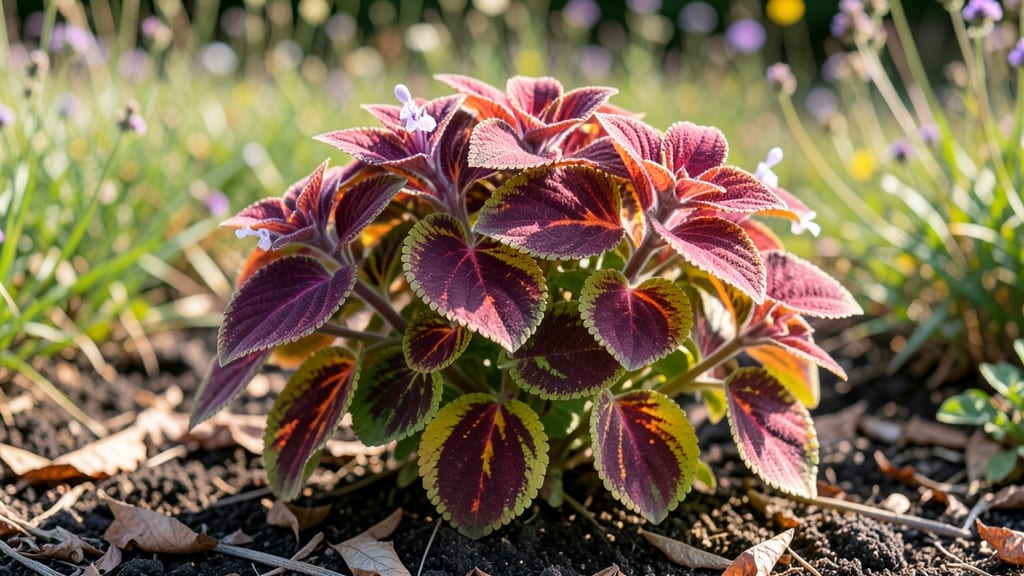
Planting coleus outside transforms your garden into a vibrant living art piece—just wait until you see those jewel-toned leaves blazing in full sun. 🌿 I’ve grown coleus for years, and the key to keeping them thriving outside isn’t complicated: it’s all about timing, soil, and a little shade protection when needed.
Most people assume these tropical beauties need shade, but with the right conditions, they’ll flourish in full sun with colors so intense they’ll make your neighbors do a double-take.
The secret starts with well-draining soil—coleus hates soggy roots—and a spot that gets morning sun but afternoon shade in hot climates. If you’re in zones 9-11, you can plant them outside year-round, but in cooler areas, treat them as annuals or bring them in before frost.
Containers work great for flexibility, letting you move plants as temperatures shift. Just make sure the pot has drainage holes—coleus roots need air, not waterlogged misery.
Once planted, keep the soil consistently moist but never soggy, and watch those leaves pop with color. Pinch back the tips early to encourage bushier growth, and you’ll end up with a plant so full it looks like it’s wearing a living sweater.
The best part? Coleus is disease-resistant and pest-proof, so you won’t waste time fighting garden battles. By midsummer, your garden will be a riot of colors—purples, pinks, and greens that change with the light.
Whether you’re filling containers on a patio or planting directly in the ground, coleus adapts easily. Just remember: protect from frost, and you’ll enjoy their bold beauty all season long. Ready to turn your outdoor space into a living masterpiece? Let’s get those plants in the ground!
📚 In This Guide
- What you need
- Instructions
- Tips and common mistakes
- Wrapping up and next steps
What you need
- ● Coleus plants: 1–3 healthy nursery-grown coleus (choose varieties like 'Black Dragon' or 'Wine n' Roses' for bold colors).
- ● Well-draining potting mix: 5–10 gallons (or a 10–15 inch deep container per plant). Look for a blend labeled for container gardening or annuals.
- ● Containers or garden bed: Containers: 1–2 per plant, 12+ inches deep with drainage holes (terracotta, fiberglass, or plastic).
- ● Garden bed: Full-sun spot with loose, fertile soil (amend with 2–3 inches of compost if needed).
- ● Slow-release fertilizer: 1–2 tbsp per plant (look for a balanced 10-10-10 or 20-20-20 formula).
- ○ Mulch (optional but recommended): 1–2 inches of organic mulch (e.g., shredded bark or straw) to retain moisture.
- ● Pruning shears: For shaping and encouraging bushier growth.
- ● Plant supports: Small stakes or cages (if coleus gets leggy in windy areas).
- ● Shade cloth (30–50% coverage): For hot climates (coleus prefers morning sun + afternoon shade).
- ● Liquid fertilizer: Diluted fish emulsion or seaweed extract for a mid-season boost.
- ● Rain gauge or moisture meter: To track watering needs (coleus hates soggy roots!).
Step-by-Step instructions for planting coleus outside
Here’s how to transition your coleus from indoors to full-sun outdoor thriving—without the stress.
🌱 Step 1: Acclimate Plants to Outdoor Conditions
Start by moving your coleus outdoors for short periods over 7-10 days before permanent planting. Place them in partial shade (morning sun only) to avoid shocking the leaves with intense light. Watch for new growth—this signals they’re adjusting well.
I like to begin with 2-3 hours of outdoor time the first day, gradually increasing by 1 hour daily. If leaves yellow or wilt, they’re getting too much sun—bring them back inside for another day. Hardening off is the secret to vibrant, resilient plants.
☀️ Step 2: Choose the Perfect Full-Sun Spot
Coleus can handle full sun once acclimated, but the key is moist, well-draining soil. Pick a location with at least 6 hours of direct sunlight but with afternoon shade if your climate gets scorching. Amend the soil with 2-3 inches of compost to improve drainage and fertility.
Dig a hole twice as wide as the plant’s root ball but only as deep as the container it came in. Loosen the roots gently if they’re root-bound—this encourages faster establishment. Space plants 12-18 inches apart for airflow and growth.
💧 Step 3: Plant and Water Thoroughly
Place the coleus in the hole, backfill with soil, and press lightly to remove air pockets. Water deeply until moisture reaches 6 inches down—this ensures roots anchor quickly. Mulch with 1-2 inches of organic mulch (like shredded bark) to retain moisture and protect roots.
Water every 2-3 days until new growth appears, keeping soil evenly moist but not soggy. Overwatering is the fastest way to kill coleus—check the soil by sticking your finger 1 inch deep. If it’s dry, water again.
✂️ Step 4: Maintain Vibrancy Through the Season
Trim leggy stems back by one-third to encourage bushier growth. Pinch back the tips of new shoots to prevent flowering—coleus blooms signal the end of vibrant foliage. Feed every 4-6 weeks with a balanced liquid fertilizer (10-10-10) diluted to half strength.
Watch for pests like spider mites—they thrive in dry conditions. Spray leaves with water daily if temperatures exceed 85°F to deter infestations. In fall, bring plants indoors before first frost to enjoy them year-round.
Tips & tricks for perfect coleus transplanting
Transitioning coleus outdoors can be tricky if you don't know these game-changing details.
Acclimation Timing: The 7-10 day hardening process is non-negotiable—skipping it means shock and leaf burn. I've seen plants wilt dramatically after just one day of full sun without proper acclimation. Start with those 2-3 hours in morning light only, then gradually increase by 1 hour daily. Watch for new growth as your signal to proceed—it's the plant's way of saying "I'm ready!"
Soil Preparation Secret: That 2-3 inches of compost isn't just for show—it's the difference between thriving and struggling. I always mix in perlite or sand if my native soil is heavy clay. The goal is that "moist but well-draining" balance mentioned in Step 2. Coleus roots need oxygen as much as water, and compacted soil suffocates them. A simple soil test kit helps determine if you need to adjust your mix.
Watering Wisdom: The "1 inch deep" soil check is your best friend—don't rely on a schedule. I've ruined coleus by sticking to rigid 2-3 day watering when sudden heat waves changed everything. Instead, check that moisture level daily during hot weather. Mulch does help retain moisture, but it's no substitute for proper watering technique. The key is keeping roots consistently moist without creating soggy conditions that invite rot.
Pest Prevention: Those spider mites at 85°F+ are sneaky—they start on the undersides of leaves where you might not notice them until it's too late. I keep a spray bottle of water handy and give my plants a quick misting every evening during heatwaves. The slight humidity they create actually helps deter mites while giving leaves a natural shine. Think of it as your coleus' daily spa treatment.
Pro Tips for Plant Coleus Outside
- Transitioning coleus outdoors can be tricky if you don't know these game-changing details.
- Acclimation Timing: The 7-10 day hardening process is non-negotiable—skipping it means shock and leaf burn. I've seen...
- Soil Preparation Secret: That 2-3 inches of compost isn't just for show—it's the difference between thriving and stru...
Frequently asked questions
Got questions about growing coleus outdoors?
Here are the answers to the most common ones—from timing to troubleshooting—so you can keep your plants vibrant all year!
When is the best time to plant coleus outside?
Plant coleus outdoors after the last frost when soil temperatures stay above 60°F (15°C). In warm climates, you can plant as early as late spring, while cooler regions may wait until summer. Coleus thrives in heat but struggles with cold—so wait until nighttime temps stay above 50°F (10°C) to avoid shock.
Can coleus survive winter outdoors?
Most coleus are tender perennials and won’t survive frost. If you love your plants, dig them up before cold weather hits, trim them back, and pot them indoors for winter. Alternatively, grow them as annuals and replant fresh in spring. Pro tip: If you’re in a mild-winter zone (USDA zones 9-11), mulch heavily and protect them with frost cloth!
How much sun does coleus need outside?
Coleus loves bright, indirect light but can handle morning sun in hotter climates. Avoid harsh afternoon sun, which can scorch leaves. In full sun, keep soil moist and provide afternoon shade. If leaves fade or bleach, it’s a sign of too much direct sun—move them to a shadier spot!
Why are my coleus leaves turning yellow or crispy?
Yellowing leaves often mean overwatering or poor drainage, while crispy edges signal underwatering or low humidity. Check soil moisture—it should stay consistently moist but not soggy. If your coleus is in a pot, ensure it has drainage holes. Pro tip: Mist leaves occasionally in dry climates to mimic their tropical habitat!
What’s the best alternative if coleus doesn’t thrive in my climate?
If your area is too hot, cold, or dry for coleus, try these low-maintenance alternatives with similar vibrant foliage:
- Sweet potato vine – Thrives in heat and full sun.
- Heuchera (coral bells) – Cold-hardy and shade-tolerant.
- Impatiens – Loves shade and blooms nonstop.
- Coleus hybrids (like ‘Wizard’ or ‘Rainbow’) – Some tolerate more sun than others!
Experiment to find the perfect match for your garden!
Wrapping up and next steps
Growing coleus outside is a rewarding way to add bold color and texture to your garden year-round—with the right care, these plants will thrive in full sun and keep your space lively! 🌿 Whether you’re a seasoned gardener or just starting, coleus is forgiving and adaptable, making it the perfect choice for vibrant, low-maintenance beauty.
Now that you’re equipped with the tips and tricks, roll up your sleeves and get planting! Start by selecting the right variety for your climate, prep your soil, and watch your garden transform. Pro tip: Snap a photo of your progress—you’ll love tracking how far your coleus comes in just a few weeks! 📸✨