
Planting
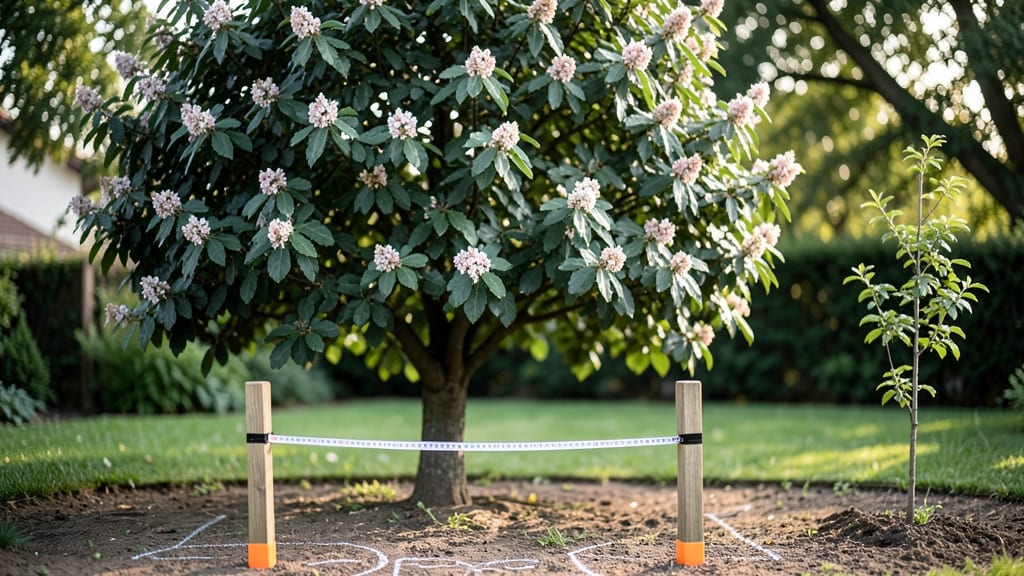
Properly spacing cherry trees 🍒 is the secret to healthy growth and a fruitful harvest for decades to come.
Picture this: you’ve just planted your dream cherry trees, only to watch them struggle years later because they’re too crowded. That’s why spacing matters—too close, and you’ll battle disease, weak branches, and tiny fruit. Too far apart, and you waste space in your yard.
Whether you’re planting dwarf varieties for a small backyard or standard trees in a full orchard, the right distance ensures strong roots, good airflow, and easy harvesting.
Below, I’ll break down the exact spacing you need based on tree type, soil, and climate—plus how to adjust if your space is limited.
You’ll also learn how to spot common spacing mistakes early (like planting too deep or ignoring wind exposure) and how to prune for long-term health. Let’s get those cherry trees thriving!
Ideal spacing for cherry trees by variety and rootstock type
Cherry trees thrive when planted with proper spacing, but the exact distance depends on whether you're growing sweet cherries like Bing or Rainier, tart cherries like Montmorency, or ornamental varieties. The rootstock type—dwarf, semi-dwarf, or standard—also dramatically impacts spacing needs.
For example, a standard Bing cherry on Mahaleb rootstock requires 30-40 feet between trees, while a dwarf Rainier on Gisela rootstock needs just 10-12 feet. Getting this right ensures airflow, sunlight penetration, and easy harvesting for decades.
Rootstock determines not just height but also vigor and disease resistance. Dwarf rootstocks like Gisela or Colt create compact trees ideal for small yards, while standard rootstocks like Mahaleb or Mazzard produce full-sized trees for larger properties.
Tart cherries often tolerate slightly tighter spacing than sweet varieties because their branches spread less aggressively. Always check your specific variety’s mature size and rootstock compatibility before planting to avoid overcrowding.
Backyard orchards benefit from strategic spacing that balances fruit production with space efficiency. For instance, planting three dwarf tart cherries in a triangular formation with 8-foot spacing creates a manageable harvest zone. In contrast, commercial plantings prioritize high-density layouts with 15-20 feet between rows and 10-15 feet within rows to maximize yield per acre. Understanding these differences helps you design an orchard that fits your goals.