
Planting
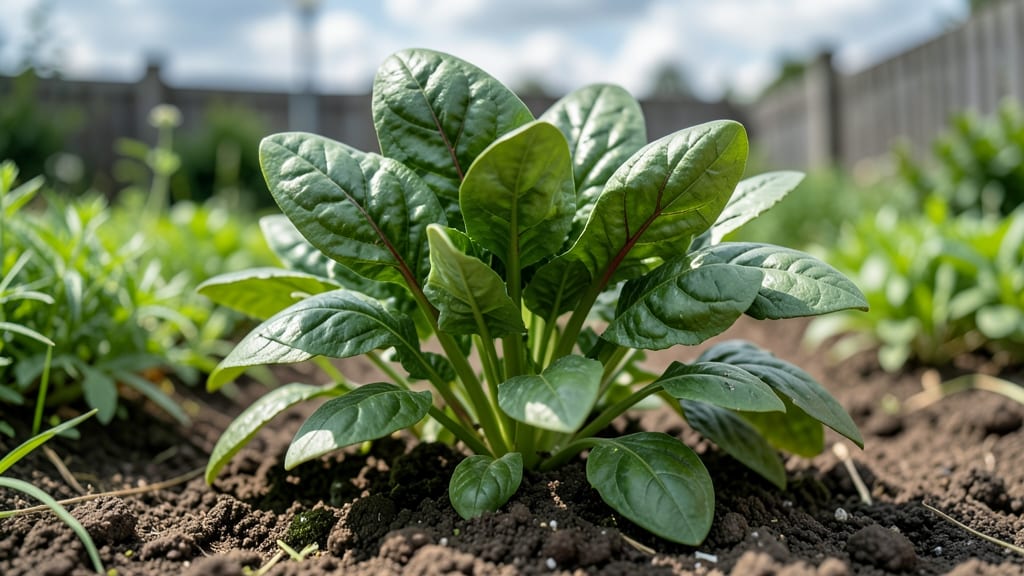
Spinach plants stay surprisingly compact—bushy and low-growing—when you match variety, light, and spacing to their needs. 🌱 My first year growing spinach, I expected towering plants and ended up with leggy, sparse leaves because I ignored the height differences between baby leaf and mature types.
The secret to controlling height lies in choosing the right variety and spacing. Baby leaf spinach (like 'Tyee' or 'Corvair') stays under 6 inches tall, while mature leaf types ('Bloomsdale Long Standing') can reach 12-18 inches.
Crowd plants too closely, and they stretch for light; give them room, and they stay sturdy and productive. You'll harvest tender, flavorful leaves in just 3-4 weeks for baby spinach or 6-8 weeks for mature types.
The key is consistent moisture—never let the soil dry out—and a bit of shade in hot afternoons to keep growth tight and avoid bolting. Even in small spaces, you can maximize yield by succession planting every 2-3 weeks. The result?
A steady supply of fresh spinach that never outgrows its container or garden bed.
📚 In This Guide
- What you need
- Instructions
- Tips and common mistakes
- Wrapping up and next steps
What you need
- ● Spinach Seeds: Choose a variety suited to your climate (e.g., Baby’s Leaf Hybrid or Bloomsdale Long Standing). Aim for 1–2 grams of seeds (about 100–200 seeds) per 10 sq. ft. of garden space.
- ● Growing Containers or Garden Bed: For containers: 5–7-inch deep pots (minimum 1 plant per 6-inch pot) or long raised beds (at least 12 inches deep).
- ● For in-ground planting: Ensure soil is well-draining and enriched with compost.
- ● Potting Mix or Soil: Use a lightweight, organic potting mix (e.g., Miracle-Gro Moisture Control) or amend garden soil with 3–4 inches of compost.
- ● Fertilizer: Balanced liquid fertilizer (e.g., 10-10-10) or compost tea for organic growth.
- ● Slow-release granular fertilizer (e.g., Osmocote Smart-Release) for sustained nutrition.
- ● Watering Can or Hose: With a fine-mist nozzle to avoid disturbing seedlings.
- ● Garden Gloves: To protect your hands while handling soil and seeds.
- ● Measuring Tape or Ruler: For tracking plant height (aim for 6–12 inches for bushy harvests).
- ● Plant Support: Small stakes or cages (if growing taller varieties like Giant Winter).
- ● Mulch: Straw or shredded leaves to retain moisture and suppress weeds.
- ● pH Test Kit: To ensure soil pH is 6.5–7.0 (ideal for spinach).
- ● Shade Cloth: For hot climates (spinach prefers partial shade in peak sun).
- ● Seedling Trays: If starting indoors (use biodegradable pots to avoid transplant shock).
How to control spinach growth for compact, productive plants
Here's the method I use to keep spinach short, bushy, and packed with flavor—no leggy stems in sight.
🌱 Step 1: Select the Right Variety for Your Climate
Spinach varieties fall into two main categories: baby leaf (harvested young) and mature leaf (grown to full size). For compact growth, choose savoy types like 'Bloomsdale Long Standing' or flat-leaf varieties like 'Tyee'—these stay shorter than hybrid types bred for rapid bolting. I always check seed packets for days to maturity (aim for 45-55 days for spring/fall plantings) and cold tolerance if growing in cooler zones.
Sow seeds ½ inch deep in well-drained soil with high organic matter. The reason for shallow planting? Deeper seeds take longer to germinate, and spinach seedlings are sensitive to cold—you want them popping up quickly when nights are still chilly. Space rows 12-18 inches apart to allow airflow, which prevents fungal diseases that stunt growth.
☀️ Step 2: Manage Light Exposure to Prevent Leggy Growth
Spinach thrives in partial shade (3-4 hours of morning sun) but bolts quickly in full sun during hot weather. If growing in summer, provide afternoon shade using shade cloth (40-50% coverage) to keep leaves tender. I notice leggy seedlings when light is too intense—watch for thin, pale stems with leaves spaced far apart. This is your plant's way of stretching toward light.
For container-grown spinach, place pots where they receive dappled sunlight (like under a tree canopy). If using grow lights, keep them 6-8 inches above plants and provide 12-14 hours of light daily. Too much light pressure causes rapid vertical growth, while insufficient light leads to weak, floppy plants. Adjust light distance weekly as seedlings grow.
💧 Step 3: Water Consistently to Maintain Compact Growth
Spinach has shallow roots, so moisture levels must stay steady. Water deeply 1-2 times weekly (or daily in hot weather) to encourage root expansion downward rather than upward. I check soil moisture by pressing my finger ½ inch deep—if it feels dry, it's time to water. Uneven moisture causes bolting (premature flowering) and stunted growth.
Avoid overhead watering after germination—it can dislodge seedlings and spread disease. Instead, use a soaker hose or water at the base. Mulch with 1-2 inches of straw to retain moisture and suppress weeds, which compete for nutrients that could otherwise support compact growth. Overwatering or poor drainage, however, leads to yellowing leaves and root rot.
✂️ Step 4: Harvest Strategically to Encourage Bushiness
For continuous harvests, pick outer leaves when they reach 3-4 inches tall, leaving the inner leaves to grow. This method prevents the plant from diverting energy into rapid vertical growth. I harvest in the morning when leaves are crispest, using clean scissors to snip just above a leaf junction. Never remove more than ⅓ of the plant at once—this shocks the spinach and triggers bolting.
If your spinach starts flowering (bolting), cut the entire plant back to 1 inch above soil level. In many cases, the plant will regrow from the base, producing a second flush of leaves. This works best with cold-hardy varieties like 'Winter Bloomsdale'. For heat-sensitive types, remove bolted plants immediately to prevent seed production, which exhausts the plant's energy.
🌿 Step 5: Fertilize Lightly for Balanced Growth
Spinach is a light feeder, so over-fertilizing leads to rapid, weak growth. Use a balanced organic fertilizer (like 5-5-5) at half-strength every 3-4 weeks. I mix 1 tablespoon of fertilizer per 10 feet of row into the top inch of soil. Too much nitrogen produces large, floppy leaves with poor flavor, while insufficient nutrients result in stunted, yellowing plants.
Side-dress with compost tea or fish emulsion (1-2-2 ratio) for a gentle nutrient boost. Avoid high-phosphorus fertilizers—they encourage root growth at the expense of leaf production. Monitor soil pH (ideal range: 6.5-7.0) using a simple test kit. Acidic soil (below 6.0) causes chlorosis (yellowing between leaf veins), while alkaline soil (above 7.5) reduces nutrient uptake.
Tips & tricks for perfect spinach height control
Here's what nobody tells you about growing spinach that stays short and productive—these are the secrets that make all the difference.
Variety Selection Matters: When choosing seeds, pay close attention to the days to maturity listed on the packet. Varieties like 'Bloomsdale Long Standing' reach their ideal harvest window in 45-55 days, which gives you that perfect balance between leaf size and plant height. I've learned the hard way that faster-growing hybrids often bolt before you get those lush, compact harvests you want.
Light Management is Critical: The 3-4 hours of morning sun recommendation isn't just about avoiding bolt—it's about controlling growth patterns. In summer heat, I've found that moving containers to dappled shade after 10 AM prevents that telltale leggy growth. Watch for those thin, pale stems as your early warning sign—it's your plants' way of saying "I need less light!"
Watering Technique Prevents Stretching: That ½-inch deep soil moisture check is your best friend for compact growth. I've noticed that spinach plants actually grow taller when they're thirsty—they stretch their roots downward and stems upward in search of moisture. The key is consistent watering at the base, never overhead after germination. A soaker hose makes this effortless while preventing disease spread.
Harvesting Strategy Creates Bushiness: The 3-4 inch height recommendation for harvesting outer leaves isn't arbitrary—it's the sweet spot where you get maximum leaf production without triggering the plant's survival mode. I always harvest in the morning when leaves are crispest, and I've found that using clean scissors (not fingers) prevents tearing that can stress the plant. That ⅓ rule is non-negotiable—breaking it sends your spinach into panic mode and triggers bolting.
Pro Tips for Spinach Plant Height
- Here's what nobody tells you about growing spinach that stays short and productive—these are the secrets that make al...
- Variety Selection Matters: When choosing seeds, pay close attention to the days to maturity listed on the packet. Var...
- Light Management is Critical: The 3-4 hours of morning sun recommendation isn't just about avoiding bolt—it's about c...
Frequently asked questions
Got questions about managing your spinach plant height? You’re not alone! Here are some of the most common concerns—and their easy solutions.
Why is my spinach growing too tall too fast?
Spinach stretches (bolts) when it senses long daylight or warm temperatures. To slow growth, plant in cooler months (spring/fall) and provide partial shade if temps rise above 75°F (24°C). Varieties like ‘Baby’s Leaf Hybrid’ stay compact naturally.
How long does it take for spinach to reach full height?
Most varieties reach harvestable height (4–12 inches) in 30–50 days, depending on the type. Baby leaf spinach matures faster (3–4 weeks), while larger varieties like ‘Giant Winter’ take 50+ days. Check seed packets for specifics!
Can I prune spinach to encourage bushier growth?
Yes! Pinch off the top leaves when plants hit 4–6 inches to redirect energy to side shoots. Avoid cutting more than 1/3 of the plant at once. This works best for savoy or semi-savoy types, which respond well to pruning.
What’s the ideal temperature to keep spinach short and sweet?
Spinach thrives in 50–70°F (10–21°C) and bolts when temps exceed 80°F (27°C). Use shade cloth (30–50%) in summer or grow in containers for better temperature control. Mulch with straw to keep roots cool.
Are there dwarf spinach varieties that stay under 6 inches?
Try these compact picks:
- ‘Baby’s Leaf Hybrid’: 3–4 inches, ready in 30 days.
- ‘Space Hybrid’: 6–8 inches, heat-tolerant.
- ‘Tyee’: 8–10 inches, cold-hardy and slow-bolting.
Wrapping up and next steps
Growing spinach with the perfect height—neither too leggy nor too compact—is all about light, spacing, and care. 🌱 By adjusting sunlight exposure, thinning seedlings, and using proper fertilizers, you’ll encourage bushier, more productive plants. Remember, consistency is key, and even small tweaks can lead to big harvests!
Ready to put these tips into action? Start with your next planting session—watch your spinach thrive and enjoy a garden full of vibrant, homegrown greens! 🌿