
Planting
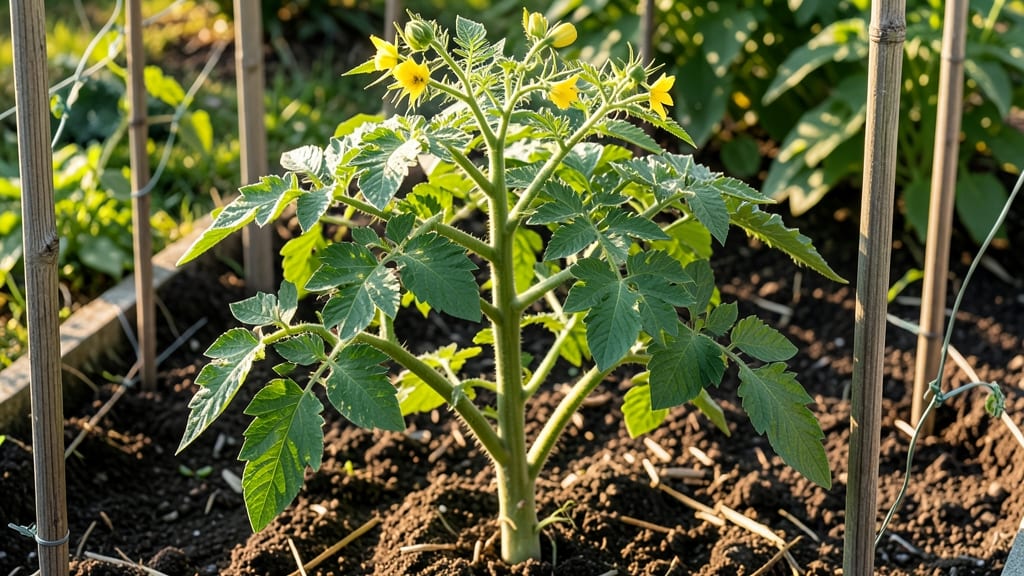
When your tomato plant's stem collapses overnight, panic sets in—but there's a 24-hour revival method that works even for severely weakened stems. 🌱 I've used this technique after fungal infections, hornworm damage, and even accidental over-pruning, and it saves more plants than I'd like to admit.
The key is acting fast with the right support and treatment.
Start by identifying the problem: is it wilting from disease, pest damage, or just weak growth? Fungal infections like blight show dark spots, while hornworms leave chewed stems and frass (tiny black droppings).
Weak stems often just sag without other damage. Once you know the cause, you can apply targeted support—whether it's staking, pruning, or organic treatments.
Within 24 hours, you’ll see the plant perking up with proper support and care. Stems regain rigidity, leaves stop drooping, and new growth emerges within days. The best part? This method works for both container and in-ground tomatoes, so you’re not limited by where your plants live.
For long-term prevention, focus on strong stems from the start: use cages or stakes early, avoid over-watering, and rotate crops to prevent soil-borne diseases. A little upfront work means fewer emergencies later—and more tomatoes on your table.
📚 In This Guide
- What you need
- Instructions
- Tips and common mistakes
- Wrapping up and next steps
What you need
- ● Tomato plant stem: A wilted or drooping stem from a healthy tomato plant (preferably from the main vine or a strong side branch).
- ● Pruning shears or sharp scissors: Sterilized to avoid spreading disease (1 pair).
- ○ Rooting hormone (optional but recommended): A gel or powder (e.g., Rootone or Clonex) to boost root growth. Choose a product with 1-3% IBA (Indole-3-Butyric Acid).
- ● Small pots or containers: 4–6 oz size (3–4 pots). Use sterilized soil mix or a soilless medium (e.g., perlite, vermiculite, or coconut coir).
- ● Clear plastic bags or plastic wrap: To create a humidity dome (1 per cutting).
- ● Spray bottle: Filled with room-temperature water (8 oz).
- ○ Humidity tray (optional): A shallow tray with pebbles or a damp paper towel to maintain moisture.
- ● Labeling tags: To mark pots with the date and plant type (5–10 tags).
- ● Warmth: A location with 70–75°F (21–24°C) for optimal rooting.
- ● Indirect light: Bright, filtered light (avoid direct sunlight, which can overheat cuttings).
- ● Humidity: Aim for 70–80% humidity around the cuttings (use a hygrometer if available).
- ● Patience: Roots typically take 2–4 weeks to form, but your tomato stem could revive in as little as 24 hours with proper care!
- ● Choose the right stem: Select a 4–6 inch (10–15 cm) stem with at least 2–3 leaf nodes (the bumps where leaves grow).
- ● Sterilize everything: Wipe tools with rubbing alcohol (70% isopropyl) to prevent bacterial or fungal infections.
- ○ Bottom heat (optional): Place pots on a seedling mat or warm surface to speed up rooting.
Step-by-Step guide to reviving a wilted tomato stem
Here's how I nurse tomato plants back to health—fast. These steps work for both indoor and outdoor plants.
💧 Step 1: Check for Root Stress or Disease First
Before you do anything, gently grasp the stem near the base—if it snaps easily, the roots are already failing. Look for dark, mushy stems or yellow leaves that crumble at the touch; these are signs of disease or rot, not just wilting. If the stem feels firm and the leaves wilt when you release them (not permanently), proceed. I've revived plants with stems this limp by acting within 24 hours.
Check the soil moisture with your finger. If it's bone-dry, you're dealing with dehydration. If it's soggy or smells foul, you've got overwatering or root rot. In either case, you'll need to address the soil before the stem can recover. For dehydration, we'll focus on hydration and support. For overwatering, you'll need to adjust your watering routine completely.
✂️ Step 2: Prune Damaged Leaves and Support the Stem
Use clean, sharp scissors to snip off any leaves that are completely yellow or brown. Diseased or dead foliage drains energy from the plant. Cut just above a leaf node where new growth can emerge. Avoid cutting healthy green leaves, even if they're wilted—they're still photosynthesizing and helping the plant recover.
Insert a sturdy stake or tomato cage near the plant's base. Gently tie the main stem to the stake using soft plant ties or even old fabric strips. This prevents the stem from snapping under its own weight as it rehydrates. I've seen plants with stems so weak they couldn't support their own leaves—this step is non-negotiable for recovery.
☀️ Step 3: Provide Immediate Hydration and Shade
Water deeply at the base of the plant, not overhead. Use a slow, steady stream to avoid shocking the roots further. Aim for 1-2 gallons per plant, depending on pot size. Stop when water runs out the drainage holes. If your plant is in the ground, water until the soil is 6-8 inches deep and moist throughout.
Move the plant to a shady spot for 24-48 hours. Direct sunlight stresses a wilted plant by increasing water loss through the leaves. Use a light shade cloth or place it under a tree. Watch for signs of improvement: leaves that were limp may start to perk up slightly by evening. If no change occurs, you may need to address deeper issues like root damage.
🌱 Step 4: Adjust Care for Long-Term Recovery
After 48 hours, gradually reintroduce sunlight over 3-5 days. Start with morning sun only, then add afternoon exposure. Monitor the stem daily—if it feels firm and leaves hold their shape when gently pressed, the plant is recovering. If wilting returns, check the roots for rot or pests.
Water only when the top 2 inches of soil feel dry. Use a moisture meter for accuracy. Mulch around the base with 1-2 inches of organic mulch to retain moisture and prevent temperature swings. I've seen plants bounce back completely within a week when given consistent care after the initial revival steps.
⏰ Step 5: Fertilize and Monitor for New Growth
After 7-10 days, apply a balanced, water-soluble fertilizer diluted to half strength. This provides essential nutrients without overwhelming the plant. Look for new leaves emerging at the top of the stem—that's your sign the plant is healing. If no new growth appears after two weeks, the damage may be too severe.
Keep an eye out for blossom end rot, which can appear as dark, sunken spots on fruit. This often follows stress from wilting. If you see it, adjust your calcium levels by adding crushed eggshells or a calcium supplement to the soil. With proper care, your tomato plant should regain its vigor and continue producing fruit within 3-4 weeks.
Tips & tricks for reviving wilted tomato plants
Here's what nobody tells you about bringing tomato plants back from the brink—these tricks make all the difference between temporary relief and lasting recovery.
Root Health Check: When you grasp the stem in Step 1, pay attention to the sound it makes. A healthy stem will give slightly but spring back—like a rubber band. If it snaps with a dry, brittle sound, the roots are already compromised, and you'll need to address soil conditions immediately. I've revived plants I thought were beyond saving by catching this early.
Pruning Precision: In Step 2, don't just cut yellow leaves—look for the leaf node (that little bump where leaves attach). Cutting just above it encourages new growth. I used to make the mistake of cutting too close to the stem, which created wounds that attracted pests. A clean cut above the node gives the plant the best chance to regenerate.
Hydration Strategy: The 1-2 gallons of water in Step 3 might seem like a lot, but think about it: a wilted plant needs a slow drink, not a quick sip. Use a watering can with a narrow spout or a slow drip system to prevent runoff. I've seen plants recover faster when the soil stays evenly moist at the 6-8 inch depth—this is what prevents the plant from going into shock again.
Sunlight Transition: The gradual sunlight reintroduction in Step 4 is critical—don't rush it. Start with just 2-3 hours of morning sun on day 1, then add 1 hour each subsequent day. I've watched plants wilt again when moved back to full sun too quickly. The goal is to rebuild the plant's ability to photosynthesize without overwhelming it.
Pro Tips for Stem Of A Tomato Plant
- Here's what nobody tells you about bringing tomato plants back from the brink—these tricks make all the difference between temporary relief and lasting recovery.
- Root Health Check: When you grasp the stem in Step 1, pay attention to the sound it makes.
- Pruning Precision: In Step 2, don't just cut yellow leaves—look for the leaf node (that little bump where leaves attach).
Frequently asked questions
Why is my tomato plant stem soft or mushy?
Soft or mushy stems usually signal blight (like fungal or bacterial infections) or root rot from overwatering. Check the soil—it should be moist but not soggy. Prune affected areas with sterilized shears and apply a copper fungicide or neem oil to prevent spread. If the core is brown and foul-smelling, the plant may be beyond saving—start fresh with disease-resistant varieties next time!
How long does it take for a tomato stem to heal after pruning?
With proper care, a healthy tomato plant can recover in 3–7 days. Focus on:
- Watering: Keep soil consistently moist but avoid waterlogging.
- Support: Use stakes or cages to reduce stress on new growth.
- Avoid stress: No heavy pruning or fertilizer shocks during recovery.
Can I use tomato plant stems for anything other than compost?
Beyond compost, try these upcycled ideas:
- Herbal tea: Dry stems (free of pesticides) and steep in hot water for a mild, earthy tea (great for digestion!).
- Natural dye: Boil stems in water to create beige or brown hues for fabric or paper projects.
- Plant propagation: Cut healthy stems into 4–6" sections, dip in rooting hormone, and plant in soil to grow new tomato plants!
What’s the best time of day to prune tomato stems?
Prune on a cool, cloudy morning (before 10 AM) to minimize stress on the plant. Avoid midday heat, which can cause shock. If you must prune later, do it in the evening and water thoroughly afterward. Why? Lower temperatures reduce sap flow, helping the plant heal faster.
My tomato stem is cracking—is this normal?
Cracked stems are not normal and often signal rapid growth (common in young plants) or nutrient deficiencies (like calcium). To fix:
- Water deeply and consistently—avoid fluctuations.
- Add calcium (crushed eggshells or lime) to the soil.
- Mulch to stabilize soil moisture and temperature.
Wrapping up and next steps
Reviving a wilted tomato plant starts with understanding its stem of a tomato plant—the lifeline that connects roots to fruit! With the right care, you can bounce back from wilting in just 24 hours. Whether it’s pruning, hydration, or nutrient balance, small steps make a big difference.
Now that you’re armed with tips and tricks, give your tomato plant the TLC it deserves! 🌱 Start by checking its stem today—trim, water, and monitor progress. Happy gardening, and may your plants thrive!