
Planting
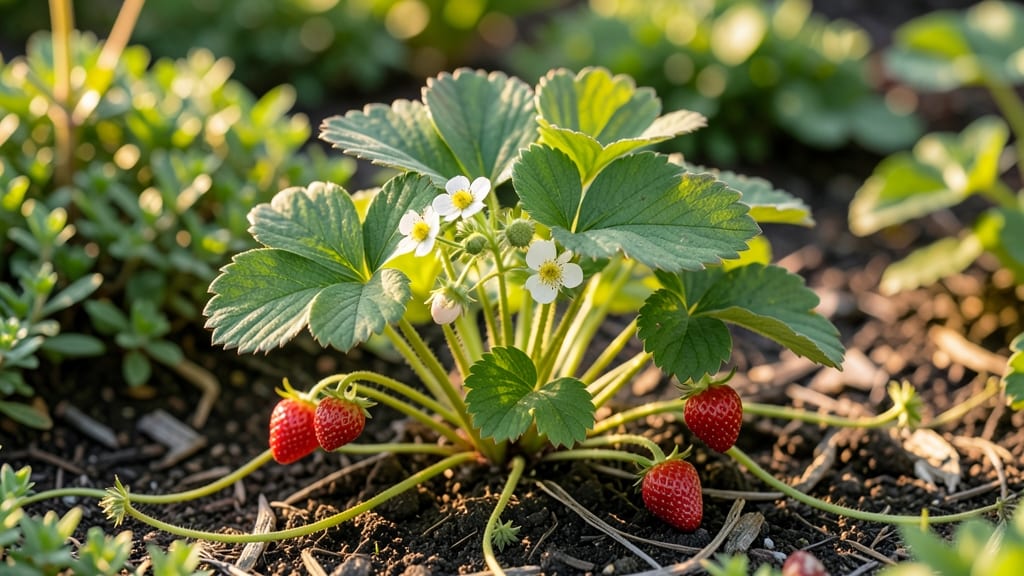
Understanding the strawberry plant cycle is what turns a handful of berries into a garden full of them. 🌱 I’ve watched my June-bearing strawberries go from tiny runners to buckets of fruit—all because I learned to work with their natural rhythm, not against it.
The key phases—dormancy, flowering, fruiting, and harvest—each need different care, and getting them right means fewer wasted plants and more berries.
Most gardeners focus on planting day, but the real magic happens in the months before and after. Strawberries need a cool winter dormancy to set next year’s buds, followed by spring pruning to remove old leaves and encourage new growth.
Then comes the delicate balance of water, sunlight, and protection from pests during flowering—because stressed plants drop blooms before they fruit. I’ve lost entire batches to birds and slugs, but once you master these stages, your plants become self-sustaining powerhouses.
By summer, you’ll be harvesting sweet, firm berries that burst with flavor, and the cycle starts again with runners spreading across your beds. The best part? June-bearing varieties give you one big harvest, but everbearing and day-neutral types keep producing all season if you prune correctly.
Even in small spaces, a single plant can yield pounds of fruit with the right timing.
This isn’t just about growing strawberries—it’s about growing them better each year. Whether you’re dealing with heat stress in July or frost damage in March, the same principles apply. Let’s break down how to optimize every phase so your plants thrive, not just survive.
📚 In This Guide
- What you need
- Instructions
- Tips and common mistakes
- Wrapping up and next steps
What you need
- ● Strawberry Plants: 6–12 June-bearing or everbearing plants (bare-root or potted)
- ● Organic or disease-resistant varieties (e.g., Albion, Chandler, or Seascape)
- ● Soil: 5–10 gallons of well-draining, slightly acidic soil (pH 5.5–6.8)
- ● Compost or aged manure (2–3 cups per plant)
- ● Balanced fertilizer (10-10-10 or organic options like fish emulsion)
- ● Containers or Garden Bed: Containers: 12–16" deep pots (1 plant per 6" of width) with drainage holes
- ● Garden Beds: Raised beds or in-ground plots with 6" of mulch
- ● Tools: Garden trowel or transplanting spade
- ● Pruning shears (for trimming runners/leaves)
- ● Watering can or drip irrigation system
- ● Gloves (to protect hands from thorns!)
- ● Mulch (straw or pine needles to retain moisture)
- ● Row covers or frost blankets (for cold climates)
- ● Plant stakes or trellis (to support heavy fruit)
- ● pH test kit (to monitor soil acidity)
- ● Slow-release fertilizer tablets (for containers)
Understanding the strawberry plant cycle: a year-round guide
Mastering the strawberry plant cycle unlocks continuous harvests—here's how to navigate each seasonal phase for maximum fruit production.
🌱 Step 1: Identify Your Strawberry Variety's Growth Habits
Strawberries are classified by growth habit: June-bearing (one massive harvest), everbearing (two smaller harvests), or day-neutral (continuous production). June-bearing plants focus energy on one June-July crop, while everbearing and day-neutral varieties spread production across seasons. Check your plant tags—this determines when to prune and fertilize for optimal yields.
Here's the thing—June-bearing varieties need aggressive winter pruning to redirect energy into next year's fruit, while everbearing types benefit from minimal pruning to encourage multiple fruiting cycles. Day-neutral plants, like 'Albion' or 'Seascape', produce fruit as long as temperatures stay moderate, making them ideal for extended harvests.
☀️ Step 2: Master the Three Key Seasonal Phases
The strawberry plant cycle revolves around vegetative growth (leaf production), flowering, and fruit development. In spring, focus on 6-8 hours of sunlight and balanced fertilization (10-10-10) to encourage leafy growth. Watch for new shoots emerging from runners—these are your future plants if you're expanding your patch.
When temperatures hit 60-70°F, flowering begins. This is when you'll see those iconic white blossoms. Everbearing types may produce a small summer crop, but their main harvest comes in fall. Day-neutral varieties continue flowering until frost, while June-bearing plants store energy for their single massive harvest. Thin crowded flowers to 6-inch spacing—this prevents overburdened plants and ensures larger berries.
🍓 Step 3: Time Your Harvest and Post-Harvest Care
Harvest strawberries when they're fully red and slightly soft to touch—this indicates peak ripeness. June-bearing varieties ripen in 2-3 weeks after flowering, while everbearing types produce fruit over 6-8 weeks. Remove berries promptly to prevent birds from stealing your harvest and to encourage more flowers to develop.
After harvest, let plants rest by reducing water slightly and avoiding heavy fertilization. This signals the plant to prepare for winter dormancy. In fall, remove any remaining fruit and cut back foliage to 1-2 inches above ground for June-bearing varieties. Everbearing types need only light pruning—just remove dead leaves and weak runners.
❄️ Step 4: Prepare for Winter Dormancy
As temperatures drop below 40°F, strawberry plants enter dormancy. This is when they build energy reserves for next year's growth. Mulch heavily with 4-6 inches of straw (not hay—it contains weed seeds) to insulate roots. The mulch should reach mid-stem height on June-bearing varieties to protect crowns from freezing.
I know it seems counterintuitive, but don't remove mulch until spring. Wait until soil temperatures reach 50°F before uncovering plants. Premature removal can shock roots and delay spring growth. In late winter, you'll see new growth pushing through the mulch—this is your cue to thin crowded plants and remove any dead foliage.
🌿 Step 5: Spring Renewal and Summer Maintenance
Early spring is about removing winter mulch and inspecting plants for black spots or powdery mildew. Prune out any diseased leaves immediately and dispose of them in the trash (not compost). Apply a balanced fertilizer (10-10-10) when new growth reaches 2-3 inches tall—this jumpstarts the season's productivity.
Throughout summer, maintain 1-2 inches of water weekly, delivered at soil level (not overhead) to prevent fungal diseases. Everbearing and day-neutral varieties may produce a second flush of flowers in late summer—remove any new fruit if your goal is fall harvest. The plant's energy is better spent strengthening roots for winter survival than producing small, weak berries.
Tips & tricks for perfect strawberry plant cycle management
These game-changing insights will help you navigate each phase of your strawberry plants' lifecycle like a seasoned gardener.
Variety-Specific Care: June-bearing varieties need that aggressive winter pruning to 1-2 inches above ground—this redirecting of energy is what fuels their massive June-July harvest. For everbearing types, minimal pruning is key; you want to preserve those fruiting cycles. Day-neutral varieties like 'Albion' are the workhorses—they'll keep producing as long as temperatures stay moderate, but they still need proper spacing between flowers to develop those sweet, plump berries at 6-inch intervals.
Temperature Timing: That 60-70°F temperature range isn't just arbitrary—it's when flowering really kicks into gear. Use a soil thermometer to monitor if your spring is unusually cold; if temps stay below 60°F for more than a week, consider using a low tunnel or row cover to accelerate flowering. And remember, don't remove that winter mulch until soil hits 50°F—premature exposure can shock those roots and set you back weeks.
Seasonal Transition Strategy: The shift from harvest to dormancy is critical. After your June-bearing varieties finish their 2-3 week ripening period, immediately reduce water and fertilization. This signals the plant it's time to prepare for winter. For everbearing types producing over 6-8 weeks, you'll need to monitor more closely—remove any remaining fruit after the main harvest to prevent disease and let the plant focus on root strengthening.
Mulch Mastery: Straw mulch is your best friend in winter, but there's a right way to use it. That 4-6 inch layer should reach mid-stem height on June-bearing varieties—this protects the crowns from freezing. For everbearing and day-neutral types, you can go slightly lighter (3-4 inches) since they're less cold-sensitive. And here's the secret: use clean straw, not hay—hay contains weed seeds that'll compete with your strawberries next season.
Pro Tips for Strawberry Plant Cycle
- These game-changing insights will help you navigate each phase of your strawberry plants' lifecycle like a seasoned gardener.
- Variety-Specific Care: June-bearing varieties need that aggressive winter pruning to 1-2 inches above ground—this redirecting of energy is what fuels their massive June-July harvest.
- Temperature Timing: That 60-70°F temperature range isn't just arbitrary—it's when flowering really kicks into gear.
Frequently asked questions
Got questions about keeping your strawberry plants thriving through every season? Here are answers to the most common ones—so you can enjoy that sweet harvest all year long!
How long does it take for strawberries to fruit after planting?
If you plant June-bearing varieties, expect fruit in 6–12 months. Ever-bearing and day-neutral types may produce berries in just 4–6 months—sometimes even sooner! Patience pays off, but don’t rush: healthy roots mean sweeter rewards later.
Do strawberries survive winter? What’s the best way to protect them?
Most strawberries are perennial, but they need winter prep! Mulch heavily with straw or leaves (8–12 inches) after the first frost to insulate roots. In colder zones (USDA 5 or below), add a thick layer of burlap or row covers. Prune dead foliage in early spring to encourage new growth.
Can I grow strawberries in containers? What’s the best setup?
Use at least 6-inch-deep containers with drainage holes and well-draining soil. Hanging baskets or window-box planters work great for ever-bearing varieties. Place them in full sun (6+ hours/day) and water consistently—containers dry out faster than garden beds.
Why aren’t my strawberries ripening? Common issues and fixes.
Check these fixes:
Not enough sun? Move plants to a sunnier spot (they need 6+ hours/day).
Over-fertilized? Too much nitrogen = leafy growth, no fruit. Use a balanced 10-10-10 fertilizer instead.
Pests or disease? Spider mites or powdery mildew can stress plants. Spray with neem oil or insecticidal soap.
Temperature swings? Strawberries need warm days (70°F+) and cool nights (50–60°F) to set fruit.
How do I renew an old strawberry patch for bigger yields?
Revitalize tired plants with these steps:
- In early spring, thin runners to focus energy on 6–8 of the healthiest plants.
- Replace crowded or diseased plants with new ones every 3–4 years.
- Apply compost or aged manure in late fall to replenish soil nutrients.
- Prune old leaves after harvest to encourage new growth.
Wrapping up and next steps
Understanding the strawberry plant cycle unlocks the secret to a year-round harvest of juicy, sweet berries! Whether you’re a beginner or a seasoned gardener, knowing when to plant, prune, and protect your plants ensures success.
With the right tools and care, you’ll enjoy homegrown strawberries that rival store-bought flavors—and maybe even inspire your neighbors to start their own patches! 🍓
Ready to take the next step? Start small—try a few plants in containers or a dedicated bed—and watch your confidence (and harvest) grow! Soon, you’ll be sharing tips with fellow gardeners or even expanding your plot. Happy planting!