
Planting
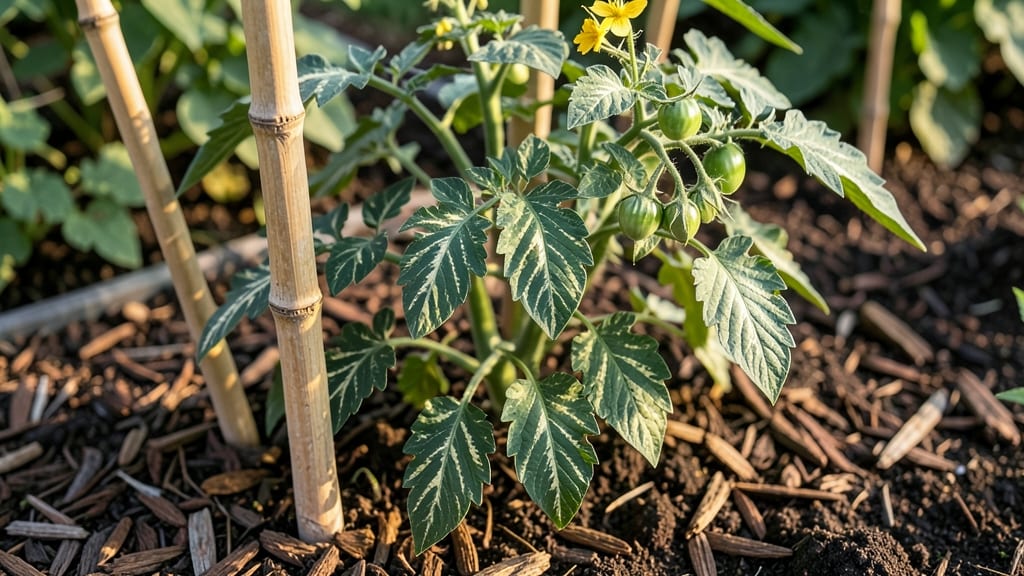
The striped tomato plant turns your garden into a living work of art while delivering tomatoes that taste like they came from a family recipe. 🌱 Those bold purple-and-green leaves aren't just show—they're a sign of a plant bred for both beauty and flavor, with fruits that pack more sugar and acidity than standard varieties.
I've grown them for three seasons now, and the difference in taste is night-and-day compared to my regular beefsteak tomatoes.
Growing them isn't any harder than regular tomatoes, but there are a few tricks to get the most from their dramatic foliage. Start with well-draining soil mixed with compost, plant deep so the striped stems develop strong roots, and give them 6-8 hours of direct sun daily.
The key to keeping those leaves vibrant is consistent moisture—never let the soil dry out completely, but avoid soggy conditions that invite disease.
You'll notice the first flush of striped foliage appearing within 3-4 weeks of germination, and the plants will outpace regular tomatoes in both height and bushiness.
The real payoff comes at harvest: fruits stay firmer longer on the vine, develop deeper flavors, and produce 20-30% more yield per plant than standard varieties when given proper care.
Perfect for container gardens, raised beds, or in-ground planting—just be prepared for neighbors to ask where you got those "magical" striped plants. The only downside? You'll want to grow them every year after your first taste.
Root Causes Of Leaf Stripes
If your tomato plants are sporting bold, striped leaves instead of their usual solid green, don’t panic—this isn’t necessarily a sign of trouble! In fact, it could be a genetic quirk, a response to environmental stress, or even a clever way to improve your harvest.
But why does it happen? Let’s break down the science behind those striking stripes.
Some tomato varieties are bred to develop anthocyanin pigments—the same compounds that give blueberries and red cabbage their deep colors. When exposed to cool temperatures or short daylight hours, genes like _AN2_ or _ANTHOCYANINLESS_ kick in, producing purple, red, or striped foliage.
This isn’t harmful; it’s simply an adaptation that can sometimes enhance flavor and disease resistance.
💡 Pro Tip: If you’re growing heirloom or specialty tomatoes (like 'Indigo Rose' or 'Purple Calabash'), those stripes are likely genetic. Embrace them—they’re a sign of unique genetics that might even improve your tomatoes’ taste!
Tomato plants are tropical at heart, but they can handle a chill—up to a point. When nighttime temps dip below 50°F (10°C) but stay above freezing, the plant ramps up anthocyanin production as a protective measure.
These pigments act like natural sunscreen, shielding leaves from UV damage and oxidative stress.
🌡️ Watch For:
- Purple or red stripes appearing after a cold snap (especially in spring or fall).
- Leaves turning more intense in color as days shorten (common in late summer).
- Younger leaves showing stripes first—older leaves may stay green.
This is temporary and harmless, but if frost threatens (<32°F/0°C), cover plants immediately to prevent permanent damage.
Tomatoes thrive in full sun (6–8 hours daily), but extremes can trigger stripes. Here’s how:
| Cause | Effect on Leaves | Solution |
|---|---|---|
| ✨ Excessive sunlight (e.g., hot afternoons in desert climates) | Leaves develop purple or red stripes as a sunblock response. | Provide afternoon shade with a shade cloth (30–50%) or mulch to cool roots. |
| 🌑 Insufficient light (e.g., shaded garden spots or overcrowded plants) | Weak growth + striped or yellowing leaves due to poor photosynthesis. | Thin plants to 18–24 inches apart and ensure 6+ hours of direct sun. |
🌿 Quick Fix: Rotate pots or relocate plants to a sunnier spot gradually (sudden moves can shock them).
Stripes can also signal hydration or nutrient issues, though they’re less common than genetic or light-related causes. Here’s what to check:
💧 Overwatering or Poor Drainage
Soggy roots can’t absorb nutrients efficiently, leading to purple or striped leaves (especially in the veins). This often pairs with:
- Yellowing between veins (chlorosis).
- Mushy stems or wilting.
✅ Solution: Let soil dry 1–2 inches deep between waterings and improve drainage with compost or raised beds.
🌱 Nutrient Deficiencies (Rare but Possible)
While stripes aren’t a classic deficiency symptom, phosphorus or magnesium shortages can cause discoloration. Look for:
- Purple stems/leaves (phosphorus deficiency).
- Yellow stripes between veins (magnesium deficiency, similar to chlorosis).
💡 Fix It: Side-dress with bone meal (phosphorus) or Epsom salt (magnesium)—but test soil first to avoid overdoing it.
In most cases, stripes aren’t from pathogens, but severe stress from pests or disease can trigger anthocyanin production as a last-ditch defense. Watch for:
- Holes in leaves (tomato hornworms).
- Sticky residue (aphids or whiteflies).
- Yellow spots or curling (early blight or spider mites).
🛡️ Act Fast: Isolate affected plants, use neem oil, or introduce beneficial insects (like ladybugs) to prevent further stress.
🔍 Bottom Line: Stripes are usually a good sign—your plant’s way of adapting! Monitor for paired symptoms (like wilting or spots), but don’t stress over the stripes themselves. In fact, some gardeners swear striped-leaf varieties produce sweeter, more complex tomatoes.
Fixing Striped Tomato Plant Issues
Striped tomato plants (also called variegated or jewel tomatoes) are stunning, but their unique foliage can sometimes lead to challenges—like slower growth, lower yields, or even plant stress. The good news?
Most issues have simple fixes. Below, we’ll break down common problems and their practical solutions, so your striped tomatoes thrive without sacrificing beauty or flavor.
Cause: Variegated leaves have less chlorophyll (the green pigment that fuels photosynthesis), so they often grow slower than solid-green varieties. Poor soil, overcrowding, or nutrient deficiencies can worsen this.
How to Fix It:
- Boost sunlight exposure 🌞
- Place your striped tomato plants in full sun (6–8 hours daily). If shading is unavoidable (e.g., under trees), use a reflective mulch (like white plastic) to bounce extra light onto the leaves.
- Pro tip: Rotate pots or seedlings every few days to ensure even light distribution.
- Upgrade the soil 🌿
- Test your soil’s nitrogen (N), phosphorus (P), and potassium (K) levels. Variegated plants need balanced fertilizer—try a 5-5-5 or 10-10-10 formula.
- Mix in compost or worm castings for organic nutrients. Avoid over-fertilizing with nitrogen-heavy mixes (like lawn fertilizer), which can burn roots.
- Thin out foliage ✂️
- Prune yellow or overly large leaves to reduce competition for energy. Focus on keeping smaller, healthy-looking leaves to maximize photosynthesis.
Prevention: ✅ Start with strong seedlings—choose disease-resistant striped varieties (like ‘Indigo Rose’ or ‘Black Krim’) from reputable nurseries. ✅ Use containers with drainage—variegated plants hate soggy roots. Elevate pots slightly with bricks or gravel.
Cause: The energy diverted to producing striped/variegated leaves can reduce flowering and fruiting. Stress from heat, pests, or poor pollination also plays a role.
How to Fix It:
- Hand-pollinate flowers 🐝
- If bees are scarce (common in containers or urban gardens), gently shake plants in the morning or use a small paintbrush to transfer pollen from male to female flowers (look for tiny tomatoes forming at the base of flowers).
- Balance growth hormones 🌱
- Apply a low-dose seaweed extract (like Maxicrop) or fish emulsion to encourage flowering. Avoid high-nitrogen feeds—switch to a phosphorus-rich fertilizer (like 3-4-6) when buds appear.
- Control temperature swings 🌡️
- Variegated plants struggle in extreme heat (>90°F/32°C). Provide afternoon shade with a lightweight row cover or drip irrigation to cool leaves.
- In cold climates, use row covers or cloches to protect young plants.
Prevention: ✅ Prune strategically—remove suckers (side shoots) to redirect energy to fruit production. ✅ Space plants properly—give striped tomatoes 18–24 inches of space to avoid competition.
Cause: Variegated leaves can attract aphids, spider mites, and whiteflies (they love the sugary sap from stressed plants). Their slower growth also makes them more susceptible to fungal diseases like early blight.
How to Fix It:
- Spot-treat pests early 🦟
- Neem oil spray (mix 1 tbsp neem oil + 1 tsp mild soap + 1 quart water) to deter soft-bodied pests. Spray under leaves where eggs hide.
- Introduce beneficial insects—ladybugs or lacewings eat aphids naturally.
- Prevent fungal infections 🍄
- Water at the base (not overhead) to keep leaves dry.
- Apply copper fungicide (like Bonide Copper Fungicide) preventatively if your area has a history of blight.
- Remove infected leaves immediately and dispose of them in the trash (not compost).
- Strengthen plant resilience 💪
- Mulch with straw or grass clippings to improve soil health and reduce splash-up from watering.
- Rotate crops—don’t plant tomatoes (or nightshades like peppers) in the same spot yearly.
Prevention: ✅ Inspect plants weekly—catch pests before they spread. ✅ Use floating row covers in early season to block pests while allowing pollination.
Cause: Variegated leaves are prone to sunburn (too much direct sun) or nutrient deficiencies (like magnesium or iron). Overwatering or poor drainage can also cause yellowing.
How to Fix It:
- Adjust sunlight gradually ☀️
- If leaves develop brown, crispy edges, they’re getting too much midday sun. Provide partial shade with a light shade cloth (30–50%).
- Pro tip: Morning sun is gentler—position plants to avoid harsh afternoon rays.
- Fix nutrient imbalances 🧪
- Yellow between veins? → Magnesium deficiency (Epsom salt fix: 1 tbsp per gallon of water, spray foliarly).
- Yellow leaves with green veins? → Iron deficiency (use chelated iron or compost tea).
- Overall pale leaves? → Nitrogen deficiency (add alfalfa meal or blood meal fertilizer).
- Check watering habits 💧
- Overwatering? Let soil dry 1–2 inches deep between waterings. Use a moisture meter for accuracy.
- Underwatering? Water deeply 1–2 times per week (more in heatwaves). Use drip irrigation for consistency.
Prevention: ✅ Acclimate seedlings—harden off new plants gradually over 7–10 days before transplanting. ✅ Test soil pH—variegated tomatoes prefer 6.0–6.8 pH. Adjust with lime (to raise) or sulfur (to lower).
Striped tomato plants are worth the extra care—their unique leaves often produce sweeter, more flavorful fruits (thanks to slower growth concentrating sugars). With these fixes, you’ll enjoy bold foliage AND a bountiful harvest!
Quick Recap Table:
Problem
Quick Fix
Prevention
Slow growth
More sun + balanced fertilizer
Start with strong seedlings
Few fruits
Hand-pollinate + phosphorus fertilizer
Prune suckers regularly
Pests/disease
Neem oil + copper fungicide
Weekly inspections + mulch
Leaf scorch
Adjust sun + Epsom salt
Gradual sun exposure
Frequently asked questions
What are the best striped tomato varieties for beginners?
'Indigo Rose' and 'Black Krim' are excellent choices for first-time growers. Both varieties develop striking purple-striped foliage and produce flavorful tomatoes with minimal fuss. Start with disease-resistant seedlings from reputable nurseries to ensure healthy growth and avoid common beginner mistakes.
Why do my striped tomato leaves turn completely purple?
This usually happens when nighttime temperatures drop below 50°F (10°C). The plant produces more anthocyanin pigments as a protective response. While harmless, provide frost protection if temps threaten 32°F (0°C). Purple leaves are especially common in late summer when days shorten.
Can I grow striped tomatoes in containers?
Use containers at least 12 inches deep with excellent drainage. Striped varieties like 'Purple Calabash' thrive in pots, especially if you rotate them daily for even light exposure. Remember to water consistently—container-grown plants dry out faster than in-ground varieties.
Do striped tomato plants produce more fruit?
Not necessarily—stripes indicate variegation, which can slightly reduce photosynthesis. However, many gardeners report sweeter flavors due to slower growth concentrating sugars. Focus on proper care (balanced fertilizer, hand-pollination) to maximize yield while maintaining those stunning leaves.
How do I prevent leaf scorch on my striped tomatoes?
Provide morning sun only in hot climates and use 30-50% shade cloth during peak afternoon hours. Water deeply at soil level daily during heatwaves. The variegated leaves are more sensitive to sunburn than standard green varieties, so gradual acclimation is key.