
Planting
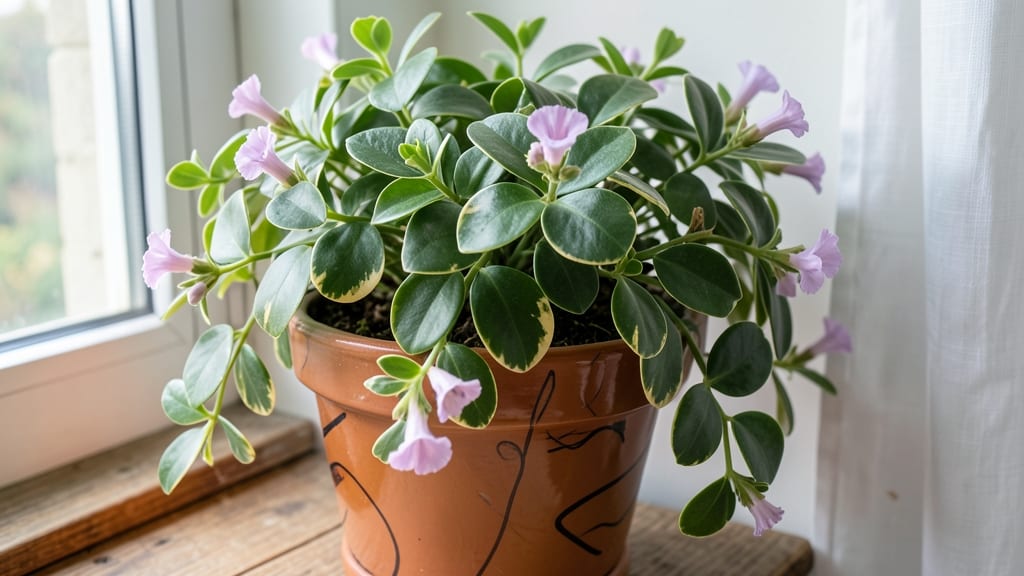
Growing the Sweet Kate plant is like planting a lush, heat-proof privacy screen that grows faster than you can say "summer shade." 🌿 This silvery-leafed beauty thrives in tough conditions while keeping your space cool and stylish—no fuss, just fast foliage.
The secret to its success starts with well-draining soil (think 60% topsoil, 30% compost, and 10% perlite) and morning sun with afternoon shade—perfect for hot climates. Water it deeply once a week (more in extreme heat), and watch it spread effortlessly without becoming invasive.
Unlike finicky vines, Sweet Kate handles neglect like a pro. By late summer, you’ll have a dense, 3-foot-tall privacy curtain that blooms with tiny purple flowers—a bonus for pollinators. Prune back leggy stems in early spring to keep it compact, and it’ll bounce back even stronger.
No deadheading needed; this plant just keeps giving. Works as a border, ground cover, or even in containers. Once established, it’s nearly drought-tolerant and survives winters down to Zone 4—ideal for both urban and rural gardens. Ready to grow your own shade? Let’s get started.
📚 In This Guide
- What you need
- Instructions
- Tips and common mistakes
- Wrapping up and next steps
What you need
- ● Sweet Kate plant (Kochia scoparia 'Sweet Kate') – 1-3 plants (check local nurseries or online plant shops for heat-tolerant varieties).
- ● Well-draining potting mix or garden soil – 5-10 gallons, depending on container size or planting area. (Mix in compost for extra nutrients!)
- ● Containers or garden bed – Containers: 1-2 large pots (12"+ diameter) with drainage holes.
- ● Garden bed: Full sun exposure (6+ hours daily) and loose, sandy soil.
- ● Gloves – 1 pair (to protect hands from thorns and soil).
- ● Trowel or hand shovel – 1 (for planting and soil prep).
- ● Watering can or hose with a gentle spray nozzle – 1 (for hydration without damaging delicate stems).
- ○ Organic mulch (optional but recommended) – Straw or shredded leaves (1-2 inches) to retain moisture and suppress weeds.
- ● Slow-release fertilizer – 1 packet (for nutrient boost during growing season).
- ● Pruning shears – 1 pair (to shape the plant as it grows).
- ● Plant support (e.g., trellis or stakes) – 1-2 (if training the vine vertically).
- ● Soil pH test kit – 1 (to ensure soil is slightly alkaline, pH 7.0-8.0, ideal for Sweet Kate).
Step-by-Step instructions for growing a Sweet Kate plant
Here's how to get a lush, fast-growing Sweet Kate vine thriving in your space.
🌱 Step 1: Choose the Perfect Location
Sweet Kate loves bright, indirect light—think 4-6 hours of morning sun with afternoon shade. A spot near an east-facing window or under a sheer curtain works perfectly. If you only have south-facing light, position it 6-8 feet back from the window to avoid scorching leaves.
This vine tolerates heat beautifully, but direct midday sun can cause leaf burn, especially in summer. You'll notice the plant leaning toward the light? That's its way of telling you to rotate it quarter-turn weekly for even growth.
🪴 Step 2: Plant in Well-Draining Soil
Use a lightweight potting mix blended with 20% perlite or orchid bark for drainage. Sweet Kate hates soggy roots, so ensure the pot has multiple drainage holes. Fill the container to 1 inch below the rim with soil, then press gently to settle without compacting.
If planting outdoors, choose a spot with loose, well-draining soil. Amend heavy clay with compost and coarse sand to prevent root rot. The ideal soil mix should feel like a damp sponge—squeeze it and it should hold shape but not drip water.
☀️ Step 3: Water Deeply and Establish a Routine
Water thoroughly until water runs out the drainage holes, then wait until the top 1-2 inches of soil feel dry before watering again. Overwatering is the #1 killer of Sweet Kate—yellow leaves are your first warning sign. Stick your finger in the soil; if it's damp past your first knuckle, wait another day.
This vine stores water in its thick stems, so it’s drought-tolerant once established. After the first month, you’ll see fewer watering needs as the roots strengthen. A self-watering pot helps maintain consistent moisture without guesswork.
🌿 Step 4: Support and Prune for Bushier Growth
Sweet Kate climbs fast, so install a trellis, lattice, or sturdy stake near the plant as soon as you bring it home. Gently weave the vines through the support as they grow—don’t force them, or you’ll snap tender stems. You’ll notice new growth emerging from leaf nodes; these are perfect spots for pruning to encourage bushiness.
Pinch back the top 2-3 inches of new growth when the vine reaches 12-18 inches tall. This redirects energy to side shoots, giving you a fuller, more compact plant. Deadhead spent flowers to keep the vine focused on foliage rather than seed production.
⏰ Step 5: Fertilize Lightly for Healthy Growth
Feed every 4-6 weeks in spring and summer with a balanced liquid fertilizer (10-10-10 or 20-20-20). Dilute to half-strength to avoid burning roots. Sweet Kate doesn’t need heavy feeding—too much fertilizer leads to leggy growth and weak stems.
Look for dark green, glossy leaves as a sign your plant is happy. If the foliage turns pale or slows down, it’s time for another light feeding. In fall and winter, skip fertilizer entirely—this vine enters a natural dormancy period when growth slows.
✂️ Step 6: Propagate for Free Plants
Sweet Kate spreads easily! Snip a 4-6 inch stem with at least 2-3 leaf nodes and place it in water. Roots should appear in 2-3 weeks—you’ll see tiny white bumps forming at the nodes before they elongate into roots.
Once rooted, transfer to soil and treat like a mature plant. This is how I’ve filled my entire patio with Sweet Kate—one plant becomes four in a season! Just avoid overcrowding; give each vine 12-18 inches of space for best results.
Tips & tricks for growing a thriving Sweet Kate vine
Here's what I've learned from growing Sweet Kate vines for years—these little tricks make all the difference for fast, healthy growth.
Light Rotation Secret: That quarter-turn weekly rotation in Step 1 isn't just about aesthetics—it prevents the vine from growing lopsided toward the light. I've seen plants that never get rotated develop permanent bends that never straighten out. Think of it like turning a sunflower each day to follow the sun's path.
Soil Test Trick: Before planting, do this quick check: fill a small container with your potting mix and add water until it's saturated. If water pools on top after 10 minutes, your mix isn't draining well enough. Sweet Kate's roots need oxygen, and soggy soil suffocates them. This simple test saves you from root rot headaches later.
Watering Hack: The finger test in Step 3 works, but here's a pro move: use a wooden chopstick instead. Push it into the soil—if it comes out clean after 1-2 inches, it's time to water. The chopstick gives you a more precise reading than your finger, especially in dense soil mixes. I keep one by my plant pots specifically for this purpose.
Pruning Timing: When you pinch back those top 2-3 inches in Step 4, aim for just after the vine has had a good growth spurt. You'll know it's ready when you see new leaves unfurling at the top—this means the plant has stored enough energy to handle the pruning without stress. I've made the mistake of pruning too early, and the vine just sits there looking confused for days.
Pro Tips for Sweet Kate Plant
- Here's what I've learned from growing Sweet Kate vines for years—these little tricks make all the difference for fast...
- Light Rotation Secret: That quarter-turn weekly rotation in Step 1 isn't just about aesthetics—it prevents the vine f...
- Soil Test Trick: Before planting, do this quick check: fill a small container with your potting mix and add water unt...
Frequently asked questions
How hot can Sweet Kate tolerate before it struggles?
The Sweet Kate plant thrives in full sun and heat, handling temperatures up to 95°F (35°C) or higher—perfect for Southern climates! However, prolonged exposure above 100°F (38°C) may cause leaf scorch or wilting. Ensure it gets evening shade in extreme heat and keep soil moist but well-drained to prevent stress. Watering deeply 2–3 times a week helps it stay resilient.
How fast does Sweet Kate grow, and when will I see privacy?
This vine is a speedster! Under ideal conditions (full sun, fertile soil, and consistent moisture), it can grow 10–12 feet per season. With proper care, you’ll see noticeable growth in just 3–6 months, offering privacy within 1–2 years for a 6-foot fence. Pro tip: Prune regularly to encourage bushier growth and redirect energy upward.
What’s the best way to water Sweet Kate without overdoing it?
Sweet Kate prefers consistent moisture but hates soggy roots. Water deeply 2–3 times per week during hot, dry spells, aiming for 1–1.5 inches of water per session. Let the top inch of soil dry out between waterings to prevent root rot. Mulch around the base (2–3 inches of organic mulch) to retain moisture and regulate soil temperature. Avoid piling mulch against the stem to deter pests.
Can I grow Sweet Kate in containers, or does it need to be planted in the ground?
While Sweet Kate loves sprawling in the ground, it can thrive in large containers (at least 15–20 gallons) if you’re short on space. Use a fast-draining potting mix with added compost, and choose a container with drainage holes. Expect slower growth in pots—likely 3–5 feet per season—so opt for a trellis or tall cage to guide its climb. Rotate the pot occasionally for even sunlight exposure.
What pests or diseases should I watch for with Sweet Kate?
This hardy vine is resistant to most pests, but keep an eye out for:
- Aphids or spider mites: Spray with water or use neem oil if you spot sticky residue or tiny webs.
- Powdery mildew: Caused by poor airflow or overwatering. Prune for better circulation and apply baking soda spray (1 tsp baking soda + 1 quart water + a drop of soap).
- Root rot: Overwatering or compacted soil. Ensure well-draining soil and avoid waterlogging.
If leaves yellow or wilt unexpectedly, check for underwatering or nutrient deficiency—feed with a balanced fertilizer (10-10-10) every 4–6 weeks during growing season.
Wrapping up and next steps
The Sweet Kate plant is a game-changer for anyone seeking a fast-growing, heat-loving vine that delivers both beauty and privacy with minimal effort. 🌿 With its drought tolerance, rapid growth, and stunning foliage, it’s the perfect choice for fences, trellises, or even as a living screen—all while thriving in tough conditions.
Whether you’re a seasoned gardener or just starting out, this plant makes creating your dream outdoor space simple and rewarding.
Ready to transform your space? Start by gathering your supplies, picking the perfect spot, and giving your Sweet Kate plant the love it deserves. Watch it grow into a lush, fragrant haven in no time! 🌱