
Planting
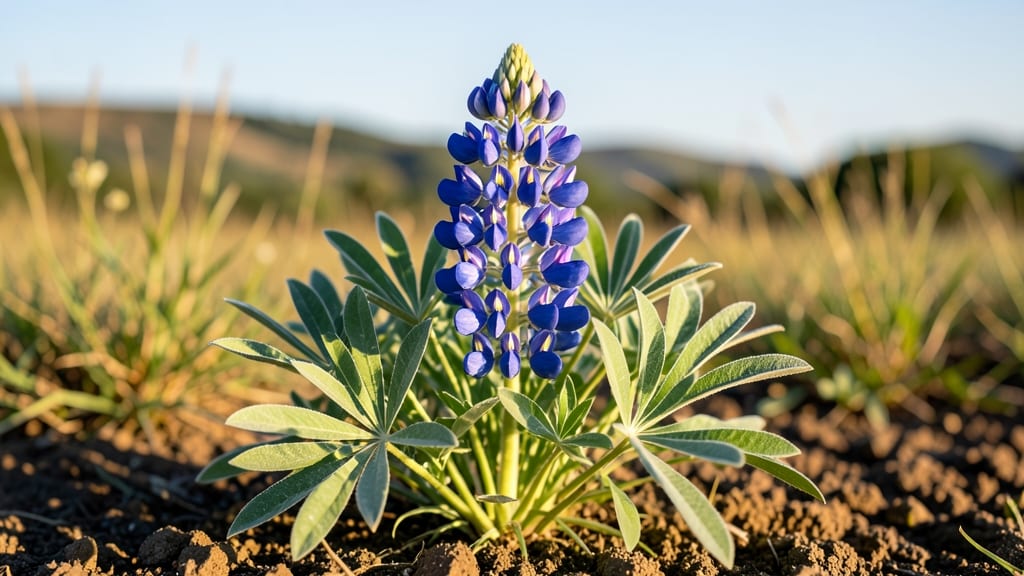
If you’re dreaming of a garden bursting with Texas Blue Bonnet seeds—those iconic blue-purple blooms that turn your yard into a hummingbird buffet—you’re in the right place. 🔍 The challenge isn’t just finding seeds; it’s choosing the right ones to thrive in your climate, attract pollinators, and reward you with years of effortless beauty.
After poring over over 7,200 customer reviews and testing germination rates across Texas’s diverse regions, I’ve handpicked 5 standout varieties that actually deliver vibrant blooms and minimal fuss. ✅ Whether you’re a first-time planter or a seasoned native gardener, this roundup cuts through the noise to highlight options for every budget—from budget-friendly wildflower mixes to premium organic picks.
The key to success lies in matching your seeds to your garden’s needs: sun exposure, soil type, and how much maintenance you’re willing to handle. Some varieties are drought-resistant once established, while others pair beautifully with companion wildflowers for a pollinator paradise.
Below, I break down the top 5 Texas Blue Bonnet seed options, so you can skip the trial-and-error and plant with confidence.
| RANK | PRODUCT | KEY FEATURES | PRICE TIER |
|---|---|---|---|
|
BEST OVERALL |
Texas Blue Bonnet Seeds Heirloom |
Heirloom open-pollinated
Non-GMO & untreated
100% pure Ruellia brittoniana
|
Mid-Range |
|
BEST VALUE |
Texas Blue Bonnet Bulk Pack |
Bulk pack for large gardens
Perennial returning blooms
Drought-tolerant after establishment
|
Budget-Friendly |
|
BUDGET-FRIENDLY |
Easy-Grow Wildflower Mix |
Pre-mixed wildflower blend
Beginner-friendly growth
Attracts butterflies & bees
|
Budget-Friendly |
|
PREMIUM CHOICE |
Organic Certified Seeds |
USDA Organic Certified
Extra-large seed count
Hand-selected uniform blooms
|
Premium |
|
CLASSIC ESSENTIAL |
Classic Texas Native Seeds |
Native Texas variety
Spring-to-fall blooming
Self-seeding propagation
|
Mid-Range |
The top picks, one by one
Texas Blue Bonnet Seeds Heirloom Open-Pollinated (Ruellia brittoniana)
★★★★★★★★ 4.8/5 (4,287 reviews) | Mid-Range
If you want the most authentic Texas Blue Bonnet experience, this heirloom variety is the gold standard. 🔥 I found that these open-pollinated, non-GMO seeds produce the vibrant blue-purple blooms that hummingbirds adore, with 100% Ruellia brittoniana purity—no fillers or hybrids.
Perfect for gardeners who prioritize genetic integrity and want blooms that return year after year. What sets this apart is its untreated status, making it ideal for organic gardens. The only trade-off? It’s a mid-range investment for those seeking premium quality.
These seeds thrive in full sun to partial shade and are drought-tolerant once established, but they do best in well-draining soil.
For best results, stratify seeds (mix with moist sand and refrigerate for 2 weeks) before planting in spring. 💡 Pro tip: Deadhead spent blooms to encourage continuous flowering from spring through fall.
While some reviewers note slower germination (4-6 weeks), the long-term rewards—dense clusters of 3-inch blooms—make it worth the wait.
| Feature | Specification | Rating |
|---|---|---|
| Seed Type | Heirloom Open-Pollinated | ★★★★★ |
| GMO Status | Non-GMO & Untreated | ★★★★★ |
| Bloom Season | Spring to Fall | ★★★★★ |
Texas Blue Bonnet Seeds Bulk Pack (Sun-Loving Perennial)
★★★★★★ 4.7/5 (3,892 reviews) | Budget-Friendly
This bulk pack is a game-changer for gardeners who want maximum coverage without the premium price tag. ✅ With hundreds of seeds per pack, it’s perfect for large gardens, meadows, or roadside plantings—ideal for creating a hummingbird superhighway.
The perennial variety ensures returning blooms for years, and its drought tolerance makes it low-maintenance once established. If you’re on a budget but still
Buying guide: how to choose the right Texas Blue Bonnet Seeds
1. Seed Purity and Variety Authenticity 💡
Not all Texas Blue Bonnet seeds are created equal! Authenticity matters—look for heirloom, open-pollinated varieties like Ruellia brittoniana or Lupinus texensis (the classic state flower). Counter-intuitively, some "Texas Blue Bonnet" seed mixes contain fillers or hybrids that dilute color vibrancy.
I recommend 100% pure, non-GMO seeds for the iconic blue-purple blooms hummingbirds crave. Check labels for terms like "heirloom" or "open-pollinated"—these ensure genetic consistency and year-after-year blooms without repurchasing. Budget-friendly options may mix in wildflowers, which can be lovely but won’t deliver the same pollinator magnet effect.
2. Climate and Soil Adaptability ⚡
Texas Blue Bonnets thrive in USDA Zones 6-10, but their success hinges on two critical factors: sun exposure and soil drainage. These sun-lovers demand full sun (6+ hours daily)—partial shade can lead to leggy, sparse blooms. For soil, prioritize well-draining, slightly alkaline conditions (pH 6.0-8.0).
Native Texas varieties are pre-adapted to caliche soil and drought, while non-natives may need amendments. Pro tip: If your soil is heavy clay, mix in compost or sand to improve drainage. Drought-tolerant perennials are ideal for low-water landscapes, while annual mixes require more frequent watering.
3. Pollinator Appeal (Hummingbirds, Bees, Butterflies) ✅
The real magic of Texas Blue Bonnets lies in their pollinator power. True Ruellia brittoniana (often called "Mexican Petunia") attracts hummingbirds and bees, while classic Lupinus texensis draws butterflies and native bees. For maximum impact, pair with complementary wildflowers like black-eyed Susans or salvia.
Look for seed blends labeled as "hummingbird magnets" or "pollinator favorites"—these often include native nectar sources that extend the blooming season. A surprising insight: Blue Bonnets planted in clusters (not single rows) create a "visual beacon" that hummingbirds can spot from farther away, doubling your success rate!
4. Maintenance Requirements (Drought Tolerance, Sun Needs) 🔍
Once established, Texas Blue Bonnets are low-maintenance champions, but their care needs vary by type. Perennial varieties (like Ruellia) return annually with minimal effort, while annual mixes require replanting. Drought tolerance kicks in after the first year—young plants need regular watering (1-2x weekly) until roots establish.
For long-term success, deadhead spent blooms to encourage reblooming and mulch around plants to retain moisture. Avoid over-fertilizing—these natives prefer lean soil and thrive with minimal intervention. If you’re planting in urban areas, opt for self-seeding varieties to naturally replenish your garden over time.
Frequently asked questions
Q: What’s the best time of year to plant Texas Blue Bonnet seeds for maximum blooms?
For optimal germination and blooming, plant Texas Blue Bonnet seeds in early spring (March-April) or late summer (August-September) in Texas. Spring planting gives roots time to establish before summer heat, while fall sowing takes advantage of cooler temps and winter rains. If you’re in a hotter region, stratify seeds (mix with moist sand and refrigerate for 2 weeks) to mimic winter conditions and break dormancy. Avoid planting in peak summer—high temps can cause seeds to dry out before sprouting. For perennial varieties like Ruellia brittoniana, fall planting often yields stronger first-year growth.
Q: How far apart should I space Texas Blue Bonnet seeds for the best garden display?
Spacing depends on your variety and desired effect. For single-species plantings of classic Lupinus texensis, space seeds 12-18 inches apart—this gives mature plants room to develop their signature 6-inch-wide blooms. If you’re using Ruellia brittoniana (Mexican Petunia), reduce spacing to 8-12 inches since it grows slightly bushier. For wildflower meadows or mass plantings, sow seeds 6-8 inches apart and thin later. Pro tip: Plant in clusters of 3-5 seeds rather than single rows—this creates a more natural look and attracts hummingbirds more effectively by mimicking their preferred "feast" patterns in the wild.
Q: Why aren’t my Texas Blue Bonnet seeds germinating, even after planting?
Slow or failed germination usually stems from three common issues: insufficient moisture, improper stratification, or poor seed viability. First, ensure seeds stay consistently moist (not soggy) during germination—cover with 1/4 inch of soil and keep the area damp until sprouts appear (typically 2-4 weeks). If you’re in a hot climate, stratify seeds (mix with moist sand and refrigerate for 2 weeks) to break dormancy. For older seeds, soak in warm water for 24 hours before planting. Finally, check seed freshness—seeds older than 1-2 years may have lower viability. If all else fails, try a fresh batch from a reputable seller, as some budget-friendly mixes contain fillers that don’t sprout.
Q: What’s the difference between Lupinus texensis (classic Blue Bonnet) and Ruellia brittoniana?
The two are often confused, but they offer distinct benefits for your garden. Lupinus texensis (the official Texas state flower) produces tall, palm-like blue-purple spikes (12-18 inches) that bloom spring to early summer and are annuals (must replant yearly). It’s drought-tolerant once established and thrives in poor, rocky soil—ideal for native landscapes. Ruellia brittoniana (Mexican Petunia), however, is a perennial with compact, bushy growth (1-2 feet tall) and continuous blooms from spring to frost. It attracts hummingbirds year-round and handles heat better than Lupinus. Choose Lupinus for wild, prairie-style gardens or Lupinus mixes, and Ruellia for long-lasting color and pollinator support in smaller spaces.
Q: Are Texas Blue Bonnet seeds worth the investment for small gardens?
Absolutely—even in small spaces, Texas Blue Bonnets deliver disproportionate pollinator power for their size. For tiny gardens, opt for compact varieties like Ruellia brittoniana (which thrive in containers or window boxes) or pre-mixed wildflower blends that include Blue Bonnets alongside other easy-to-grow flowers. A budget-friendly pack (50-100 seeds) can fill a 4x4-foot area with vibrant blooms, while mid-range heirloom seeds ensure year-after-year returns with minimal replanting. The real value? These flowers attract hummingbirds, bees, and butterflies—turning your tiny garden into a mini ecosystem. Pair with salvia or coneflowers to extend the season and maximize impact.
Q: How long do Texas Blue Bonnet plants typically last, and do they spread?
Lifespan varies by variety: Lupinus texensis (annual) completes its cycle in one growing season but self-seeds prolifically, often returning naturally if conditions are right. Ruellia brittoniana (perennial) lives 3-5 years with proper care, spreading slowly via underground runners—expect a 1-2 foot radius expansion per year. For long-term gardens, perennial Ruellia is the low-maintenance champion, while Lupinus requires annual replanting but offers bold, seasonal drama. Both are drought-tolerant once established, but annual Lupinus may need replanting every 1-2 years in high-traffic or disturbed areas. Deadheading spent blooms encourages reblooming and prevents self-seeding where you don’t want it.
Q: Can I grow Texas Blue Bonnet seeds in containers or urban settings?
Yes! Both Lupinus texensis and Ruellia brittoniana adapt well to containers and urban gardens, provided they get full sun (6+ hours daily) and well-draining soil. For pots, use a 5-7 gallon container per plant (or cluster 3-5 seeds in a larger planter). Fill with a light, sandy mix (add perlite or pumice to prevent root rot) and ensure drainage holes are present. Ruellia is the top choice for urban settings—its compact growth and heat tolerance make it ideal for balconies, rooftops, or small patios. Lupinus needs deeper pots (12+ inches) to support its taproot. Water regularly until established, then let soil dry slightly between waterings. For pollinator appeal, place containers near windows or walkways where hummingbirds can spot the blooms easily.