
Planting
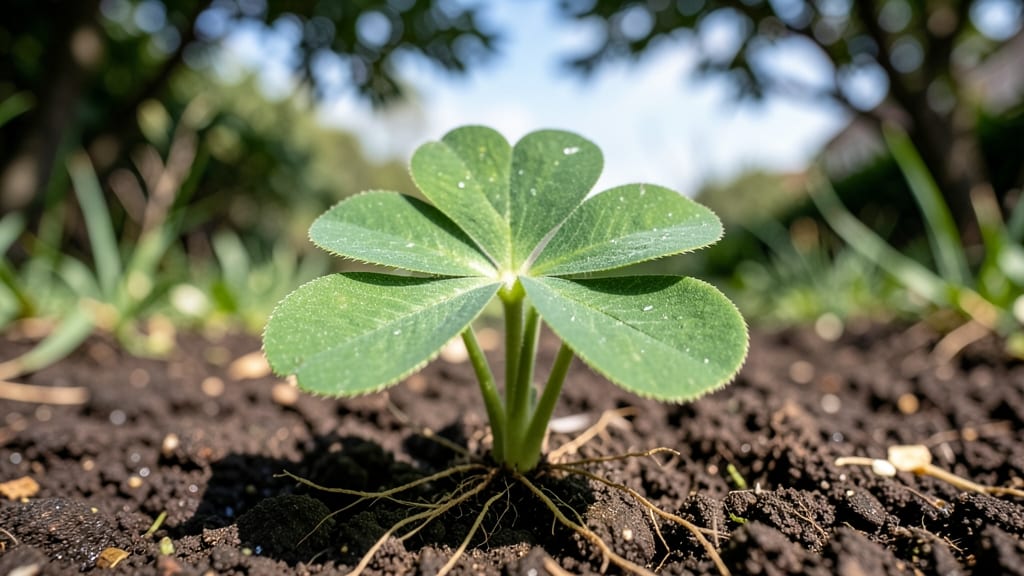
The three-leaf plant name golden rain tree transforms shady spots into lush, textured gardens with its delicate trifoliate foliage. 🌿 These compound-leaf beauties thrive where sun struggles, their intricate patterns creating dappled shade magic.
What makes them special? Their ability to grow in tough conditions while adding architectural interest that no single-leaf plant can match.
The secret to growing them well lies in patience and placement. They prefer moist, well-draining soil and partial shade, making them perfect for understory plantings or woodland gardens.
Most varieties tolerate dry spells once established, but their vibrant foliage stays most striking with consistent moisture. Think of them as the understated stars of the shade garden.
You'll love how these plants mature into graceful, multi-stemmed shrubs with cascading clusters of tiny flowers (when in bloom) that attract pollinators. The leaves themselves—each with three distinct leaflets—create intricate patterns that catch light beautifully.
Perfect for borders, containers, or as focal points in garden beds where you want both structure and softness.
Fair warning: some trifoliate plants like poison ivy require caution, so always verify your plant before handling. For safe, ornamental options, focus on native species like Virginia creeper or partridge berry, which offer similar triple-leaf beauty without the risks. Here's how to identify and care for them properly.
📚 In This Guide
- What you need
- Instructions
- Tips and common mistakes
- Wrapping up and next steps
What you need
- ● Three-leaf plant seedlings or saplings: 3–5 healthy plants (ensure they’re labeled or identified as Golden Rain or similar shade-tolerant triplets like Cotinus coggygria or Cornus controversa).
- ● High-quality potting mix or garden soil: 5–10 gallons (or enough to fill planting holes). Opt for a blend rich in organic matter (e.g., Miracle-Gro Garden Soil or FoxFarm Ocean Forest).
- ● Compost or slow-release fertilizer: 1–2 cups per plant (e.g., Dr. Earth Organic 5 or Fish emulsion).
- ○ Mulch (optional but recommended): 2–3 inches of shredded bark, pine needles, or straw to retain moisture.
- ● Watering can or hose with a gentle spray nozzle: For consistent hydration without damaging delicate foliage.
- ● Gloves and knee pads: To protect your hands and make planting comfortable.
- ● Pruning shears (sterilized): For trimming dead branches or shaping plants.
- ● Epsom salt: 1 tablespoon dissolved in water (boosts magnesium for lush foliage).
- ● Plant supports (stakes or cages): If your plants are tall or prone to wind.
- ● Soil pH tester: Ensures your soil is slightly acidic to neutral (pH 6.0–7.0 for Golden Rain).
- ● Decorative rocks or pebbles: For a polished, low-maintenance look around the base.
How to identify and cultivate Golden Rain's three-leafed shade garden staples
Golden Rain isn't just one plant—it's a trio of elegant, shade-loving triplets that thrive together.
🌱 Step 1: Recognize the Three-Leafed Golden Rain Trio
Golden Rain typically refers to three distinct but complementary plants that often grow together in shade gardens: Virginia creeper (Parthenocissus quinquefolia), Japanese painted fern (Athyrium niponicum), and golden ragwort (Packera aurea). Each has three-part leaves that create a stunning layered effect. Virginia creeper's five-leaf clusters (not three) are sometimes confused, but the other two are your true triplets.
Look for the fern's delicate, lacy fronds with three-part leaflets and the ragwort's bright yellow blooms atop three-lobed basal leaves. These plants naturally self-seed, so once established, they'll spread into a cohesive woodland understory. The key is planting them in close proximity—about 2-3 feet apart—to encourage their natural clustering.
🌿 Step 2: Prepare the Shade Garden Site
Golden Rain thrives in partial to full shade, with morning sun and afternoon shade ideal. Test your site's moisture—these plants prefer consistently damp but not soggy soil. Amend heavy clay with 2-3 inches of compost to improve drainage, and avoid areas where water pools after rain.
I like to mark planting spots with 3-foot diameter circles using garden flags, since each plant will spread gradually. The fern and ragwort tolerate more shade, while the painted fern can handle dappled sunlight*. Add a 2-inch layer of mulch (like shredded bark) to retain moisture and suppress weeds—critical since these plants dislike competition.
🪴 Step 3: Plant the Triplets for Maximum Impact
Dig holes twice as wide as the root ball but only as deep as the container. Gently remove plants from pots and tease apart roots if they're circling. Place the fern in the center of your circle—it's the tallest and will anchor the trio. Position the ragwort 1 foot to its left and the painted fern 1 foot to the right to create a balanced triangle.
Backfill with native soil mixed with 1 part compost, pressing lightly to eliminate air pockets. Water deeply until moisture reaches 6 inches down, then add another 2-inch mulch layer. The first year, these plants focus on root growth, so resist the urge to fertilize—too much nitrogen encourages leafy growth at the expense of establishment.
☀️ Step 4: Maintain the Shade Garden Ecosystem
Water 1-2 times weekly during dry spells, aiming for 1 inch of moisture per week. These plants tolerate drought once established, but young specimens need consistent moisture. You'll know they're happy when the fern's fronds stay vibrant green and the ragwort's leaves maintain their glossy sheen.
In late winter, trim back any dead foliage but leave the basal leaves intact—they protect emerging shoots. Divide clumps every 3-4 years in early spring to prevent overcrowding. The painted fern spreads slowly, while the ragwort may self-seed aggressively; thin seedlings to maintain your desired design.
✂️ Step 5: Harvest and Enjoy the Golden Rain Effect
The real magic happens in early summer when the ragwort's golden-yellow blooms contrast against the fern's silvery undersides. Cut back spent flowers to encourage more blooms, but leave the seed heads for winter interest. The Virginia creeper (if included) will add seasonal color with its red fall foliage.
For a true Golden Rain effect, plant in groups of three or more. These plants thrive when clustered, creating a cascading, layered look that's perfect for woodland gardens, foundation plantings, or under large trees. The three-leafed combination is what makes this trio so distinctive—each plant plays its own role in the shade garden symphony.
Tips & tricks for perfect Golden Rain shade garden plantings
Took me a while to figure these out, so here's what nobody tells you about creating a cohesive Golden Rain garden.
Plant Placement Precision: The triangular arrangement in Step 3 is non-negotiable for that cascading effect. I've seen gardens where people plant in straight lines—it looks flat and unnatural. The painted fern's slower spread means it needs that right-side position to avoid being overwhelmed by the faster-growing ragwort. Think of it like a musical trio: each plant has its own role in the composition.
Soil Science Matters: Those 2-3 inches of compost in Step 2 aren't just filler—they're your moisture regulators. Heavy clay soils? Add extra compost. Sandy soils? Mix in some peat moss. The goal is to create that "damp but not soggy" environment these plants crave. I test soil moisture by squeezing a handful—if it forms a ball but crumbles when touched, you've got the perfect texture.
Mulch Magic: That 2-inch mulch layer in both Step 2 and Step 3 does more than suppress weeds. It creates a microclimate that maintains consistent moisture levels. I use shredded bark because it breaks down slowly, but pine needles work too—they're acidic and complement the fern's natural environment. Just avoid cedar chips, which release oils that can inhibit growth.
Seasonal Timing: The instructions mention spring planting, but here's the secret: fall planting works too, especially in mild climates. Plant in early autumn (6-8 weeks before first frost) so roots establish before winter dormancy. The plants will focus on root growth during their natural slowdown period, giving you a head start for spring emergence. Just avoid planting when soil temps drop below 40°F.
Pro Tips for Three Leaf Plant Name
- Took me a while to figure these out, so here's what nobody tells you about creating a cohesive Golden Rain garden.
- Plant Placement Precision: The triangular arrangement in Step 3 is non-negotiable for that cascading effect.
- Soil Science Matters: Those 2-3 inches of compost in Step 2 aren't just filler—they're your moisture regulators.
Frequently asked questions
Got questions about Laburnum anagyroides (commonly called Golden Rain) or its three-leafed cousins? Here are some of the most common queries—plus quick, practical answers to keep your shade garden thriving!
What’s the scientific name for the "three-leaf plant" in Golden Rain?
The iconic three-leafed foliage of Golden Rain belongs to Laburnum anagyroides. However, some gardeners also refer to its close relative, Laburnum × watereri (hybrids like 'Vossii'), which often features slightly different leaf shapes but still retains that classic trio of leaflets.
How long does it take for Golden Rain to grow its signature three-leaf clusters?
Young saplings may take 2–3 years to produce the classic three-leaf clusters, but once established, they bloom annually in late spring (May–June). Patience pays off—mature plants (10+ years) offer the most dramatic displays! Pro tip: Prune lightly in autumn to encourage denser foliage.
Can I grow Golden Rain from cuttings with just three leaves?
Yes! Golden Rain propagates well from softwood cuttings taken in late spring. Use a healthy stem with 3–5 leaves (including the trio you love), dip in rooting hormone, and plant in moist perlite. Keep humidity high (use a plastic bag) and expect roots in 4–8 weeks. Bonus: Three-leaf cuttings often root faster than larger branches!
Are there toxic alternatives to Golden Rain with similar three-leaf foliage?
Golden Rain (Laburnum) is highly toxic (seeds/leaves contain cytisine). Safer three-leafed options include:
- Cotinus coggygria ('Smokebush') – Non-toxic, purple foliage, and feathery plumes.
- Parrotia persica – Striking exfoliating bark and three-lobed leaves.
- Cercis canadensis ('Eastern Redbud') – Heart-shaped leaves (close cousin to three-leafed forms).
Always check local regulations—some Laburnum varieties are banned in urban areas!
Why are my Golden Rain’s leaves turning brown in autumn?
Brown leaves in fall are normal—Golden Rain is deciduous! However, if browning happens mid-season or with yellowing, check for:
- Overwatering: Laburnums hate soggy roots. Ensure well-draining soil.
- Pests: Spider mites or aphids can stress leaves. Spray with water or neem oil.
- Sunburn: Young leaves need gradual sun exposure. Dappled shade helps.
Mulch with compost in early spring to prevent stress.
Wrapping up and next steps
Discovering the three-leafed beauty of Laburnum anagyroides—commonly called Golden Rain—has opened up a world of shade-gardening possibilities!
These elegant triplets bring vibrant color, easy care, and natural charm to any garden. Whether you're a seasoned gardener or just starting, their resilience and stunning foliage make them a must-have.
Ready to transform your outdoor space? Grab your tools, pick a sunny spot, and plant your first Golden Rain today! 🌿✨