
Planting
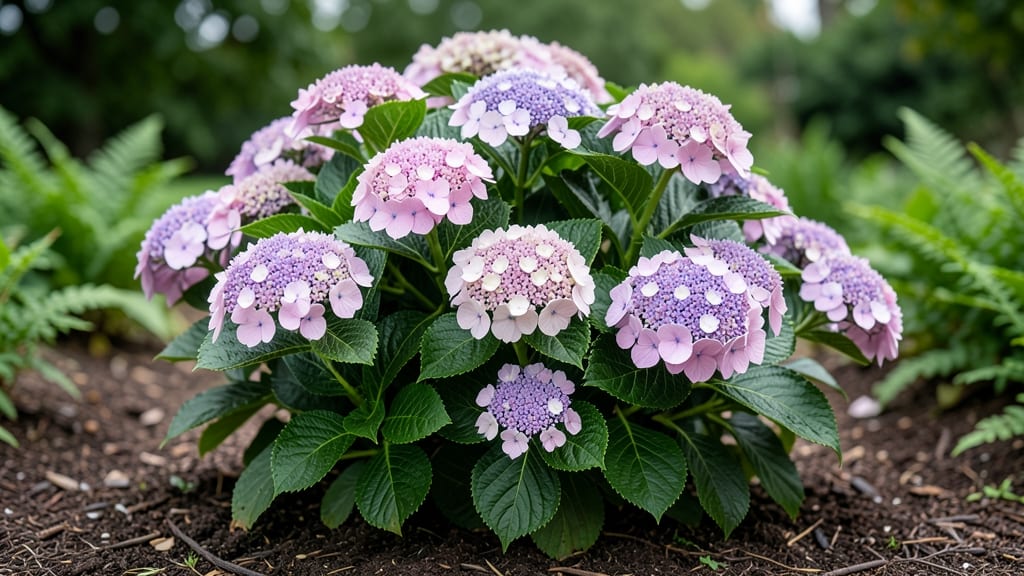
The Tokyo Delight hydrangea plant turns every season into a showstopper with its compact size and vibrant blooms—no high-maintenance drama required. 🌸 I fell for this variety after seeing how it thrived in my small urban garden, producing pink flowers from spring to frost with almost no extra work.
The secret lies in its adaptability: it handles partial shade, forgives occasional watering slips, and stays neatly contained, making it perfect for containers or tight spaces.
This hydrangea loves moist, well-draining soil—think of it as a thirsty plant with manners. A morning sun, afternoon shade spot works best, though it tolerates full sun if you keep the roots consistently moist.
Pruning is simple: trim back 1/3 of last year’s growth in late winter, and you’ll encourage fresh, fuller blooms. The foliage stays lush and glossy, so even when flowers fade, the plant remains a garden star.
What makes it truly special is its year-round interest: new growth emerges in spring, flowers peak in summer, and the foliage turns subtle shades of bronze in fall. Even winter brings texture with its sturdy stems.
The biggest challenge? Overwatering—let the top inch of soil dry out between drinks to keep roots happy. With just these basics, you’ll have a hydrangea that’s easier to grow than most annuals.
Perfect for gardeners who want low-maintenance beauty without sacrificing impact. Whether you’re filling a pot on a balcony or adding height to a border, this hydrangea delivers drama with minimal fuss. Let’s get yours thriving!
📚 In This Guide
- What you need
- Instructions
- Tips and common mistakes
- Wrapping up and next steps
What you need
- ● Tokyo Delight Hydrangea Plant: 1 healthy nursery-grown plant (ensure it’s labeled as Hydrangea macrophylla ‘Tokyo Delight’)
- ● Well-draining potting mix: 5 gallons (or enough to fill your chosen container)
- ○ Container (optional but recommended): 15-20 gallon pot with drainage holes (if container-growing)
- ● OR a garden bed with rich, moist soil (if planting outdoors)
- ● Organic mulch: 2-3 inches (e.g., shredded bark or pine needles)
- ● Balanced fertilizer: 10-10-10 or 20-20-20 (use per label instructions)
- ● Watering can or hose with gentle spray nozzle
- ○ Gloves (optional but recommended) for handling soil and plants
- ● Trowel or small shovel for planting
- ● Pruning shears (sterilized) for shaping and maintenance
- ○ pH testing kit (optional) to check soil acidity (ideal: 5.5–6.2 for blue blooms)
- ● Sunlight spot: Partial shade (4–6 hours of morning sun, afternoon shade)
- ● 🌡️ Temperature: Thrives in USDA Zones 5–9 (protect from extreme heat/cold if outdoors).
- ● ✨ Container hack: Use a self-watering pot to reduce maintenance.
- ● 🎯 Bloom boost: Feed with acid-loving plant fertilizer every 4–6 weeks during growing season.
Instructions for planting and caring for a Tokyo Delight hydrangea
This stunning variety thrives with a few key strategies—let’s make those blooms last all season.
🌱 Step 1: Choose the Perfect Planting Spot
The Tokyo Delight hydrangea loves partial shade—think morning sun with afternoon shade or dappled light under trees. Too much direct sun can scorch leaves, while too little light weakens blooms. I test spots by watching how sunlight shifts through the day; the ideal location gets 4-6 hours of filtered light daily.
This variety also prefers slightly acidic soil (pH 5.5-6.2). If your soil is alkaline, amend it with peat moss or sulfur before planting. Dig a hole twice as wide as the root ball but no deeper—hydrangeas hate sitting too low, which causes root rot. Gently loosen the roots if they’re circling the pot before placing the plant in.
💧 Step 2: Water Deeply and Mulch for Moisture Retention
After planting, water deeply—soak the soil until it’s 6-8 inches down, then let it dry slightly before watering again. Tokyo Delights are drought-tolerant once established, but young plants need consistent moisture to root well. You’ll know it’s right when the top 2 inches of soil feel damp but not soggy.
Spread 3-4 inches of mulch (like shredded bark or pine needles) around the base, keeping it 2 inches away from the stem. Mulch locks in moisture and keeps roots cool. I reapply mulch every spring—it breaks down over time, so don’t skip this step. Avoid heavy mulch piles, which can suffocate roots.
☀️ Step 3: Feed for Vibrant Blooms and Prune Strategically
Feed your Tokyo Delight with a balanced, acid-loving fertilizer (like 10-10-10 or hydrangea-specific formula) in early spring before new growth starts. I also add cottonseed meal or aluminum sulfate (for blue blooms) or lime (for pink) to adjust flower color—just follow package rates. Over-fertilizing causes weak stems and fewer flowers, so less is more.
Prune in late winter or early spring before buds swell. Remove dead or crossing branches first, then cut back last year’s blooms to 2-3 inches above a bud. Never prune into old wood—Tokyo Delights bloom on new growth, so aggressive cuts reduce next year’s flowers. Step back after pruning; you’ll see a balanced shape that encourages fuller blooms.
✂️ Step 4: Maintain Year-Round with Seasonal Adjustments
In summer, watch for powdery mildew (white fuzz on leaves)—a sign of too much shade or poor airflow. Space plants 4-5 feet apart for airflow, and water early in the day to let leaves dry. If mildew appears, spray with neem oil or baking soda solution (1 tsp baking soda + 1 quart water + a drop of dish soap).
Before winter, add 2-3 inches of mulch to insulate roots. Tokyo Delights are hardy to USDA Zone 5, but young plants benefit from burlap wraps around the base in harsh winters. Prune lightly in late winter to shape, but avoid heavy cuts—this variety’s blooms rely on last year’s framework.
🌿 Step 5: Harvest and Enjoy (With a Little Extra Care)
For long-lasting cut flowers, harvest stems early in the morning when buds are just opening. Cut 3-4 inches below a leaf node, then strip lower leaves to extend vase life. Change water every 2 days and recut stems—Tokyo Delights last 10-14 days in arrangements. I also deadhead faded blooms in summer to encourage new growth.
This hydrangea rewards patience—year-round interest if you keep soil moist, prune smart, and feed occasionally. The key is balance: enough sun for blooms, enough shade for leaf health, and consistent (but not soggy) moisture. Watch those flowers change color with soil pH—it’s like magic!
Tips & tricks for growing Tokyo Delight hydrangeas
These game-changing strategies will help you coax the most dramatic blooms from your Tokyo Delight hydrangea while avoiding common pitfalls that turn vibrant potential into disappointing results.
Lighting Strategy: The 4-6 hours of filtered light mentioned in Step 1 is non-negotiable for these beauties. I've found that placing them near east-facing windows or under the dappled shade of a deciduous tree creates the perfect balance. In containers, rotate your pots every few weeks so all sides get even light exposure—this prevents lopsided growth and ensures blooms develop uniformly. For those with limited shade options, consider using sheer white curtains to diffuse harsh afternoon sun during peak summer months.
Soil Science: Testing your soil's pH before planting is one of those "why didn't I think of that sooner?" moments. I use a simple home test kit to confirm the 5.5-6.2 range, and if my soil tests higher, I mix in 2-3 inches of peat moss or sulfur into the planting hole. Pro tip: For established plants, work a handful of cottonseed meal into the top 6 inches of soil each spring—it's a slow-release acidifier that keeps the pH perfect for those stunning blue blooms without the risk of over-fertilizing.
Watering Wisdom: The deep watering technique in Step 2 works wonders, but here's the secret: Use a moisture meter to verify that water reaches those 6-8 inches deep. I've seen many gardeners assume their plants are getting enough water only to discover the soil is bone-dry below the surface. For container growers, make sure pots have drainage holes and elevate them slightly—this prevents waterlogging, which can cause root rot. In extreme heat, I give my hydrangeas a second watering mid-afternoon to maintain that perfect damp-but-not-soggy soil condition.
Pruning Precision: That 2-3 inch pruning rule in Step 3 is where many gardeners go wrong. I always prune just above a bud that's facing outward—this creates a more open, airy plant structure. Use sharp, clean pruners and make cuts at a 45-degree angle about 1/8 inch above the bud. For dramatic effect, consider shaping the plant into a rounded form rather than a flat top. This not only looks stunning but also improves airflow, reducing the risk of powdery mildew mentioned in Step 4.
Pro Tips for Tokyo Delight Hydrangea Plant
- These game-changing strategies will help you coax the most dramatic blooms from your Tokyo Delight hydrangea while avoiding common pitfalls that turn vibrant potential into disappointing results.
- Lighting Strategy: The 4-6 hours of filtered light mentioned in Step 1 is non-negotiable for these beauties.
- Soil Science: Testing your soil's pH before planting is one of those "why didn't I think of that sooner?" moments.
Frequently asked questions
Got questions about keeping your Tokyo Delight hydrangea thriving? You’re not alone! Here are answers to the most common queries—from pruning puzzles to color quirks.
Why isn’t my Tokyo Delight hydrangea blooming like the pictures?
This hydrangea blooms on old wood, meaning flowers form on last year’s growth. If you prune too late (after blooming) or in harsh winters, you might sacrifice next year’s buds. Pro tip: Prune lightly in early spring (just remove dead stems) and avoid heavy cuts. Patience pays off—these beauties often reward you with two seasons of blooms!
When’s the best time to plant or transplant a Tokyo Delight?
The ideal window is early spring or fall (4–6 weeks before frost). This gives roots time to establish before extreme heat or cold. Avoid transplanting in summer—stress + heat = wilting drama. Bonus: Plant in partial shade (4–6 hours of sun) for vibrant blooms and lush foliage.
How often should I water my Tokyo Delight hydrangea?
Consistency is key! Water deeply 1–2 times per week (more in blazing heat or sandy soil). Let the top 2–3 inches of soil dry out between waterings, but never let it bone-dry. Mulch (2–3 inches) helps retain moisture and protects roots. Watch for: Drooping leaves = thirsty plant!
Can I change my Tokyo Delight’s flower color?
Yes! These hydrangeas are pH-sensitive, so you can tweak colors with soil amendments. For blue blooms, add aluminum sulfate (lower pH). For pink/red, use lime (raise pH). Test soil pH first—aim for 5.5–6.2 for blues, 6.5+ for pinks. Warning: Color shifts take 4–6 weeks.
How do I prune without ruining next year’s flowers?
Prune right after blooming (late spring/early summer) to shape the plant. Never cut back more than 1/3 of the plant, and avoid pruning old wood (thick, woody stems with flower buds). Use clean, sharp shears to make cuts at a 45-degree angle just above a leaf node. Deadheading spent blooms encourages more flowers!
What pests or diseases should I watch for?
Common issues include:
- Spider mites: Tiny webs + yellowing leaves? Spray with water or neem oil.
- Aphids: Sticky residue? Blast off with water or use insecticidal soap.
- Powdery mildew: White dust on leaves? Improve airflow and treat with fungicide.
- Root rot: Yellow leaves + mushy stems? Reduce watering and ensure well-draining soil.
Prevention tip: Healthy soil + proper spacing = fewer pests!
Wrapping up and next steps
The Tokyo Delight hydrangea is a showstopper with its vibrant blooms and low-maintenance charm—perfect for adding year-round drama to your garden with minimal effort! 🌸 Whether you're drawn to its mophead or lacecap varieties, this plant thrives with just a little care, making it ideal for both beginners and seasoned gardeners.
Ready to bring home your own slice of Tokyo’s beauty? Start by picking your favorite color (blue, pink, or purple!) and check local nurseries or reputable online sellers.
Once you’ve got your plant, follow the simple steps above, and soon, you’ll be basking in the glory of blooms that turn heads all season long!