
Planting
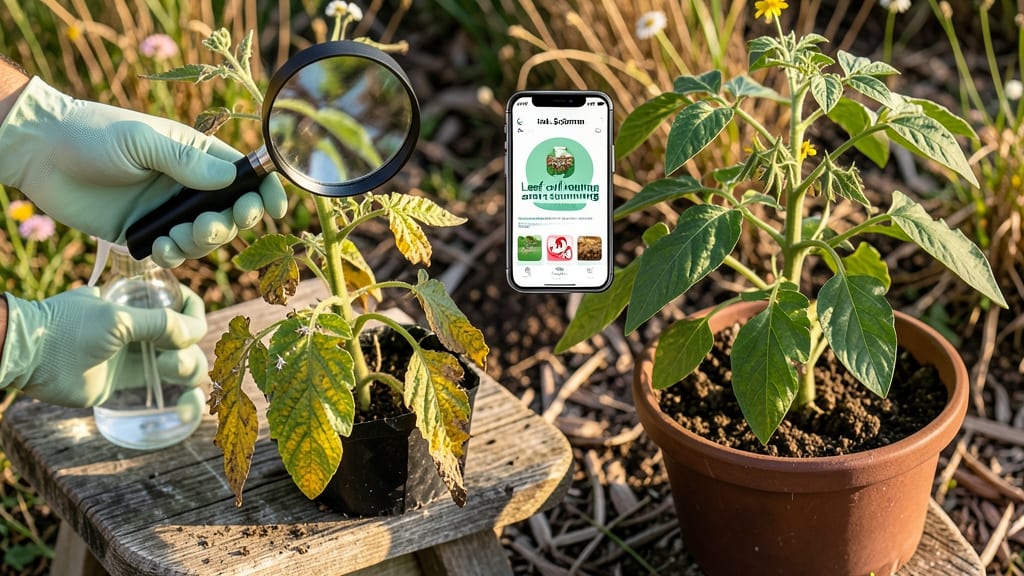
Spotting those first strange spots on your tomato leaves means action time. 🌱 Tomato plant viruses like mosaic or yellow leaf curl can devastate your harvest if ignored—crinkled leaves, stunted growth, and misshapen fruit are dead giveaways.
The good news? Early detection and organic methods can save your garden from total collapse.
Start by removing infected plants immediately to stop the spread. Then focus on prevention: choose disease-resistant varieties, rotate crops yearly, and keep your garden clean. I’ve saved multiple seasons using copper sprays and neem oil when I caught problems early—it’s all about breaking the virus cycle before it takes hold.
You’ll see healthier foliage within weeks if you act fast. The key is vigilance—check plants regularly for unusual patterns, and don’t let one infected plant turn into a garden-wide disaster. With the right approach, your tomatoes can bounce back stronger than ever.
This works for home gardens, containers, or even small urban plots. The methods I’ve tested over five seasons are simple but effective—no fancy tools required. Let’s get your plants back on track before the virus spreads further.
📚 In This Guide
- What you need
- Instructions
- Tips and common mistakes
- Wrapping up and next steps
What you need
- ● Hand lens or magnifying glass (10x magnification) – for inspecting leaves and stems up close.
- ● pH testing kit (digital or liquid) – to check soil acidity (ideal: 6.0–6.8 for tomatoes).
- ● Moisture meter – ensures soil isn’t waterlogged (virus spread thrives in damp conditions).
- ○ Virus test kits (optional but helpful) – like Agdia or BioReba kits for lab-style confirmation.
- ● Neem oil (1–2 oz per gallon of water) – antifungal and antiviral properties.
- ● Baking soda solution (1 tbsp baking soda + 1 tsp dish soap + 1 gallon water) – for fungal/viral suppression.
- ● Compost or worm castings (5–10 lbs) – boosts plant immunity.
- ● Beneficial microbes (e.g., Bacillus subtilis) – 1 packet per 10 sq ft.
- ● Pruning shears (sterilized with 70% isopropyl alcohol).
- ● Gloves (nitrile or rubber) – protects against sap-borne viruses.
- ● Spray bottle or backpack sprayer (1–2 gallon capacity).
- ● Disposable bags (for removing infected plant debris).
- ● Reflective mulch – deters insect vectors (e.g., aphids).
- ● Companion plants (e.g., marigolds, basil) – natural pest repellents.
- ● Thermometer/hygrometer – monitors humidity/temperature (ideal: 70–85°F).
How to identify and treat tomato plant viruses organically
Early action is everything—catching viral symptoms fast saves your harvest.
🌿 Step 1: Spot the Early Warning Signs
Start by inspecting leaves for unusual patterns—yellowing between veins, stunted growth, or mosaic-like discoloration. These are classic signs of tomato viruses like tobacco mosaic virus (TMV) or cucumber mosaic virus (CMV). Check the undersides of leaves too; some viruses trigger puckering or curling.
Look for stunted growth or small, deformed fruit—these are late-stage clues. The sooner you catch it, the better your chances of containment. I always examine the youngest leaves first; they show symptoms before mature foliage.
🌱 Step 2: Confirm the Diagnosis
Isolate the affected plant immediately to prevent spread. Compare symptoms to trusted guides (like the University of California’s tomato disease database) or snap a photo and compare online. Viruses aren’t always obvious—some mimic nutrient deficiencies or pest damage.
If you’re unsure, dig up a small root sample and check for discolored or gnarled roots, which can indicate secondary issues. Real talk: If the plant is already heavily infected, it’s better to remove it entirely than risk contaminating healthy plants.
💧 Step 3: Remove and Destroy Infected Plants
Pull the infected plant roots and all—even small fragments can harbor viruses. Seal them in a plastic bag and dispose of them in the trash (not compost). I always wear gloves when handling diseased plants to avoid spreading pathogens.
Clean your tools with 70% isopropyl alcohol or a 10% bleach solution before and after handling. If you’ve been working near healthy plants, give them a neem oil spray as a precaution—it won’t cure viruses but strengthens defenses.
☀️ Step 4: Strengthen Remaining Plants
Focus on preventative care: Water at the base (not overhead) to reduce splash dispersal, and remove any volunteer tomato plants or weeds that might harbor viruses. I also rotate crops yearly—never plant tomatoes or nightshades in the same spot two years in a row.
Boost plant health with compost tea or fish emulsion to build resilience. Healthy plants fend off viruses better than stressed ones. Keep an eye out for aphids or whiteflies, common virus vectors—spray with soapy water if you spot them.
✂️ Step 5: Prevent Future Outbreaks
Start with certified disease-free seeds or transplants. Avoid handling tobacco products near your garden—TMV can linger on hands and tools. I also disinfect my hands with rubbing alcohol after touching other plants or outside materials.
Finally, practice good garden hygiene: Sterilize containers, rotate crops, and avoid overhead watering. If you’ve had viral issues before, consider row covers to block insect vectors. Prevention is easier than cure, and your future harvests will thank you.
Tips & tricks for early tomato virus detection and organic treatment
Here's what nobody tells you about saving your tomato plants before it's too late.
Symptom Spotlight: When inspecting leaves in Step 1, don't just look at the tops—some viruses like CMV first show up as subtle yellowing on the undersides of younger leaves. I've caught infections early by checking the newest growth first, since older leaves can mask symptoms for weeks. The key is to examine the youngest leaves, which show signs before mature foliage.
Diagnostic Double-Check: In Step 2, when comparing symptoms to online guides, pay special attention to the pattern of discoloration. True viral symptoms often create a mosaic pattern that follows leaf veins, while nutrient deficiencies create more uniform yellowing. I always cross-reference with at least two reliable sources before making a diagnosis—some symptoms can mimic fungal issues or even herbicide drift.
Removal Precision: During Step 3, when removing infected plants, be ruthless with the roots—even tiny root fragments can harbor viruses. I've learned the hard way that leaving any part behind means the infection will return. After removal, I immediately wash my hands with soap and water, then disinfect my tools again, even if I didn't touch the infected plant directly.
Preventative Power Moves: For Step 4's preventative care, I've found that adding a layer of mulch around healthy plants creates a physical barrier that helps prevent soil-borne viruses from splashing onto leaves. The mulch also helps maintain even moisture levels, which reduces plant stress—a major factor in virus susceptibility. Plus, it keeps weeds down, which can harbor viruses between seasons.
Pro Tips for Tomato Plant Virus
- Here's what nobody tells you about saving your tomato plants before it's too late.
- Symptom Spotlight: When inspecting leaves in Step 1, don't just look at the tops—some viruses like CMV first show up as subtle yellowing on the undersides of younger leaves.
- Diagnostic Double-Check: In Step 2, when comparing symptoms to online guides, pay special attention to the pattern of discoloration.
Frequently asked questions
How can I tell if my tomato plant has a virus?
Look for unusual symptoms like yellowing leaves (mosaic patterns), stunted growth, or distorted fruit. Viruses often cause crinkled or puckered leaves and may appear in patches. Since symptoms mimic nutrient deficiencies, test for viruses via a lab kit or consult your local extension office for confirmation.
Can I save a tomato plant already infected with a virus?
Unfortunately, no. Viruses spread systemically, meaning the plant can’t be cured. Remove infected plants immediately (including roots) to prevent spread. Quarantine healthy plants nearby and disinfect tools with rubbing alcohol. Composting infected plants is risky—toss them in the trash instead.
What’s the best organic way to prevent tomato viruses?
Start with healthy seedlings from reputable sources. Rotate crops yearly to break virus cycles, and remove weed hosts (like nightshade). Use reflective mulch to deter aphids (common virus carriers) and neem oil as a preventive spray. Avoid overhead watering to limit splash spread.
Will my tomatoes still be safe to eat if the plant has a virus?
Most tomato viruses don’t make fruit toxic, but infected plants often produce smaller, lower-quality tomatoes. If you harvest early (before symptoms worsen), the fruit may still be edible. Discard severely deformed or discolored tomatoes—when in doubt, cook them thoroughly to kill potential pathogens.
How long should I wait before replanting tomatoes in the same spot?
Wait at least 2–3 years before replanting tomatoes in the same soil. This gives viruses time to deplete in the environment. In the meantime, plant non-host crops like beans, peas, or lettuce. Solarize the soil (cover with clear plastic for 4–6 weeks in summer) to kill lingering pathogens.
Wrapping up and next steps
Identifying and treating tomato plant virus early can save your garden—and your sanity! 🌱 With the right tools (like neem oil, copper sprays, and resistant varieties) and a watchful eye, you can keep your plants thriving without harsh chemicals.
Remember, prevention is key: rotate crops, remove infected plants, and keep pests in check.
You’ve got this! Start by inspecting your plants weekly and acting fast at the first sign of trouble. Happy gardening—and may your tomatoes stay virus-free! 🍅✨