
Planting
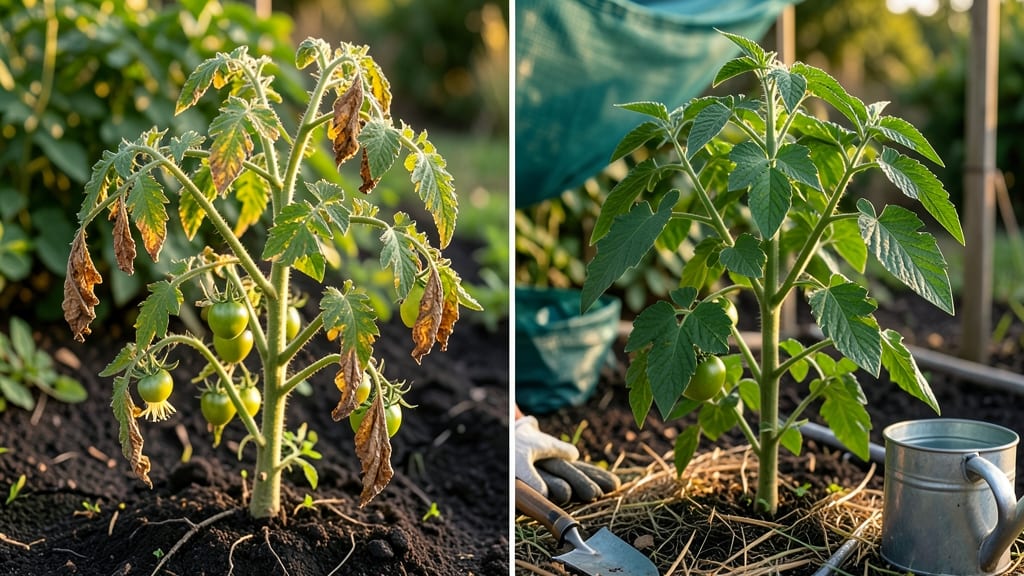
Your tomatoes wilted after transplant—don’t panic, this happens more often than you’d think. 🌱 The good news? Most cases are fixable with quick adjustments, and I’ve revived dozens of droopy plants using just three targeted solutions. The key is identifying whether it’s shock, roots, or something else stressing them out.
Transplant shock is the most common culprit, especially if you moved them on a hot day or disturbed the roots too much. But it could also be underwatering, overwatering, or even a hidden pest problem.
The first step is checking the soil moisture and stems for signs of damage—this tells you exactly what’s wrong and how to act fast.
Within 24-48 hours, you can often see dramatic recovery if you adjust watering, provide shade, and trim any damaged foliage. I’ve seen plants bounce back completely after just a few days of proper care, producing fruit like nothing ever happened.
For next season, focus on gentler transplanting—water deeply before pulling, keep them in shade for a week, and avoid fertilizing until new growth appears. These small tweaks make all the difference in keeping your tomatoes thriving from day one.
Root Of The Problem
Wilted tomatoes after transplanting can feel like a gut-punch for gardeners—especially when you’ve poured so much care into your plants. But don’t panic! Understanding the real causes behind this droop is the first step to revival.
Below, we break down the science-backed reasons your tomatoes are wilting post-transplant, so you can diagnose and fix the issue like a pro.
Transplant shock is the #1 culprit when tomatoes wilt after moving to a new home. Even with the gentlest handling, uprooting disrupts the delicate balance of roots and leaves, causing:
- Water Uptake Disruption: Roots take time to re-establish contact with soil moisture.
If the plant isn’t hydrated enough during this transition, it can’t deliver water to leaves fast enough, leading to wilting. - Hormonal Imbalance: Ethylene gas (a plant stress hormone) spikes when roots are damaged, triggering wilting as the plant conserves energy.
This is especially true if roots were pruned or broken during transplanting. - Temperature Fluctuations: Moving plants from a greenhouse, indoor setup, or shaded spot to direct sunlight (or vice versa) can cause rapid transpiration—losing water faster than roots can absorb it.
💡 Pro Tip: To minimize shock, transplant on a cloudy day or in the early evening when temperatures are cooler. Water deeply before and after transplanting, and avoid fertilizing for at least 1–2 weeks to let roots recover.
Watering is both an art and a science, and getting it wrong after transplanting can spell disaster. Here’s why your tomatoes might be wilting:
- Inconsistent Moisture: Tomatoes need even moisture—too little causes wilting, but too much leads to root rot.
After transplanting, soil can dry out faster because the root zone is smaller and less established. - Overhead Watering: Wet leaves + hot sun = fungal infections (like early blight) or sunscald, both of which stress the plant and cause wilting. - Root Zone Neglect: Watering only the top inch of soil leaves roots thirsty.
Tomatoes need deep watering (1–2 inches per week) to encourage roots to grow downward.
✨ Fix It: Use drip irrigation or soaker hoses to deliver water directly to the soil. Water in the morning so leaves dry quickly, and mulch heavily to retain moisture.
Even a small nick to the roots can trigger wilting because it reduces the plant’s ability to absorb water and nutrients. Common mistakes include:
- Overly Deep or Shallow Planting: Burying the stem too deep suffocates the plant, while planting too shallow exposes roots to drying out.
- Root Pruning Without Care: If roots were trimmed back too aggressively, the plant loses its ability to uptake water quickly.
- Soil Compaction: Rough handling or heavy soil can crush roots, restricting water flow.
🔥 Action Step: When transplanting, handle roots gently—avoid pulling or bending them. If you must prune roots, trim only the outermost damaged tips (no more than 10–15%). Plant at the same depth as the original container to avoid stem rot.
Tomatoes are sensitive to their surroundings, and post-transplant, they’re extra vulnerable to:
- Extreme Heat or Cold: Temperatures above 90°F (32°C) or below 50°F (10°C) can shock the plant, causing wilting.
Young transplants are especially at risk. - Wind Burn: Strong winds dry out leaves faster than roots can replace moisture, leading to wilting. - Poor Soil Drainage: Waterlogged soil cuts off oxygen to roots, causing them to suffocate and wilt.
🎯 Solution: Provide shade cloth (30–50%) for the first week if temps are high. Use windbreaks (like burlap or trellises) and ensure soil is well-draining (amend with compost if needed).
Wilting can also signal a hidden nutrient crisis, especially if your soil lacks:
- Potassium (K): Critical for water regulation; deficiency causes leaf scorching and wilting, even when soil is moist.
- Calcium (Ca): Weakens cell walls, leading to blossom-end rot and wilting in severe cases.
- Nitrogen (N): While excess nitrogen can burn roots, too little weakens the plant, making it prone to stress.
📊 Test Your Soil: Use a soil test kit to check pH and nutrient levels. Tomatoes thrive in slightly acidic soil (6.0–6.8 pH). If deficient, add a balanced fertilizer (like 10-10-10) 2–3 weeks after transplanting.
Sometimes, wilting isn’t just about water—it’s about invisible invaders:
- Root-Knot Nematodes: Microscopic worms that feed on roots, reducing water uptake and causing wilting (common in warm climates). - Fungal Infections: Verticillium or Fusarium wilt clog xylem vessels, preventing water flow.
Look for yellowing leaves or vascular discoloration. - Aphids or Spider Mites: These sap-sucking pests stress plants, leading to wilting and stunted growth.
🔪 Inspect Closely: Check the underside of leaves and soil surface for pests. Treat with neem oil or insecticidal soap if needed. For fungal wilt, remove infected plants immediately to prevent spread.
Reviving Your Transplanted Tomatoes
Wilted tomatoes after transplanting can feel like a setback, but with the right care, your plants can bounce back stronger than ever. The key is identifying the root cause and taking swift, targeted action.
Below are practical solutions tailored to the most common issues—plus prevention tips to keep your tomatoes thriving long-term.
Cause: Overwatering, underwatering, or poor root establishment after transplanting can shock plants, leading to wilting.
How to Fix It:
- 🔥 Adjust Your Watering Routine
- Water deeply once a day (early morning is best) to encourage strong root growth. Avoid shallow, frequent watering, which can drown roots or leave them thirsty.
- Use a moisture meter or the "finger test" (stick your finger 1-2 inches into the soil—if it’s dry, water).
- 👨🍳 Improve Soil Drainage
- Amend heavy or compacted soil with compost or perlite to prevent waterlogging. Raised beds or containers with drainage holes also help.
- If your soil is too dense, gently loosen it around the base of the plant (but avoid disturbing roots).
- 🥘 Mulch to Retain Moisture
- Apply 2-3 inches of organic mulch (straw, grass clippings, or shredded leaves) to keep soil evenly moist and cool.
💡 Prevention Tip: Start watering transplants immediately after moving them and keep the soil consistently moist for the first 7-10 days to help roots establish. Avoid letting the soil dry out completely during this critical period.
Cause: Sudden exposure to intense heat or direct sunlight after transplanting can scorch leaves and cause wilting.
How to Fix It:
- 🔪 Provide Temporary Shade
- Use shade cloth (30-50%) or a lightweight row cover for the first 3-5 days to ease plants into their new environment.
- Avoid placing tomatoes in hot, sunny spots right after transplanting. Opt for a partially shaded area (like under a trellis or near taller plants) for a few days.
- 🌡️ Water in the Heat
- Increase watering frequency slightly during hot spells, but ensure the soil drains well to avoid root rot.
- Mist leaves lightly in the early morning or evening to cool them down (avoid evening misting if humidity is high to prevent disease).
- ⏰ Gradually Acclimate Plants
- If moving from a shaded nursery to a sunny garden, harden off seedlings for 3-5 days before full sun exposure. Start with 2-3 hours of sun per day, then increase gradually.
💡 Prevention Tip: Transplant tomatoes in the early morning or on a cloudy day to reduce stress. If planting in peak summer, consider using black plastic mulch to warm the soil and protect roots from temperature swings.
Cause: Rough handling during transplanting, circling roots, or disturbed root balls can stunt water/nutrient uptake, leading to wilting.
How to Fix It:
- 🍳 Prune Damaged Roots (If Needed)
- If roots are circling or severely tangled, gently tease them apart before planting. Trim any black, mushy, or broken roots with clean scissors.
- Avoid over-pruning—only remove what’s clearly damaged.
- 🥘 Use a Root Stimulator
- Soak roots in water mixed with a rooting hormone (like mycorrhizal fungi or seaweed extract) for 10-15 minutes before planting to encourage regrowth.
- After transplanting, water with a diluted fertilizer (half-strength) to give plants a nutrient boost.
- 🌿 Support Weak Plants
- Stake or cage wilting tomatoes immediately to prevent stems from snapping under their own weight.
- If leaves are completely collapsed, trim the top 1/3 of the plant to reduce water loss and redirect energy to root recovery.
💡 Prevention Tip: When buying seedlings, choose plants with healthy, white roots (ask nursery staff to show you). If transplanting from containers, score the root ball (make 2-3 vertical cuts) to encourage outward root growth before planting.
Once your tomatoes recover, keep them healthy with these long-term strategies: - 📊 Monitor Soil pH: Tomatoes thrive in slightly acidic soil (6.0-6.8).
Test your soil and amend with lime (to raise pH) or sulfur (to lower pH) if needed. - 💪 Fertilize Smartly: Use a balanced fertilizer (10-10-10) at planting, then switch to a low-nitrogen, high-phosphorus formula (like 5-10-10) when flowers appear. - 🥗 Rotate Crops: Avoid planting tomatoes in the same spot yearly to prevent soil-borne diseases that weaken roots. - ✨ Watch for Pests: Inspect leaves for aphids, spider mites, or whiteflies, which can stress plants.
Spray with neem oil or introduce beneficial insects like ladybugs.
With these fixes, your tomatoes should perk up within 3-7 days. Stay patient—healthy root systems take time to recover, but the effort is worth it for a bountiful harvest! 🍅🌿
Frequently asked questions
Why do my tomato plants wilt immediately after transplanting?
This is usually transplant shock, where the roots struggle to re-establish contact with soil moisture. The stress triggers ethylene gas, which causes wilting as the plant conserves energy. To help, water deeply before and after transplanting, and avoid moving plants on hot days.
Can I save my tomatoes if the leaves are completely limp and drooping?
Yes! If the stems are still firm (not mushy), they can often recover. Trim any damaged foliage, provide shade for 3-5 days, and water consistently. Avoid fertilizing until new growth appears—focus on root recovery first.
How long should I wait before fertilizing wilting tomato plants?
Wait at least 2-3 weeks after transplanting before fertilizing. Young plants need time to establish roots, and fertilizer can burn stressed roots. Use a balanced, diluted fertilizer (5-5-5) once they show signs of recovery.
Is it safe to transplant tomatoes in hot weather?
Transplanting in temperatures above 85°F (29°C) stresses plants, increasing wilting risk. For hot climates, transplant in early morning or evening, use shade cloth (30-50%) for the first week, and mulch heavily to retain moisture.
What’s the difference between wilting from underwatering and overwatering?
Underwatered wilting feels crispy (leaves dry to touch), while overwatered wilting feels soggy (leaves stay limp, soil smells musty). Check soil moisture—if the top 1-2 inches are dry, water deeply; if wet, let it dry slightly before watering again.